
Your brain works hard for you every day—helping you stay focused, connected, and present through life’s many challenges and milestones. And just like the rest of your body, it benefits from consistent, thoughtful care.
We looked into the latest research to uncover simple, nourishing foods that may support brain health as you age. A few of these might surprise you, but all of them have something in common: they offer nutrients that help keep your mind clear, your memory sharp, and your energy steady.
If one of your goals is to feel mentally strong and steady for years to come, this is a good place to start—right on your plate.
Coffee: Your Brain’s Favorite Brew
Chances are, you didn’t need us to tell you that coffee and brainpower go hand in hand. But it’s nice when science backs up what we already know in our mugs.
Coffee is a natural source of antioxidants, including phenylindane—a compound that forms during roasting and may offer protective benefits for the brain. That rich, slightly bitter flavor? It’s doing more than waking you up.
Some research suggests that regular, moderate coffee consumption may be linked to a lower risk of cognitive decline, including Alzheimer’s and Parkinson’s disease. One study even found that 1 to 2 cups of coffee a day could reduce the chances of developing mild cognitive impairment over time.
But more isn’t always better. The same research found that drinking more than 2 cups a day—or ramping up your intake suddenly—could have the opposite effect.
So, if coffee is part of your daily rhythm, enjoy it. Just stick with what feels good and works for your body.
Related: The Best Time To Drink Your Morning Coffee
Green Tea: A Calm, Clean Brain Boost
Not big on coffee? Green tea might be your perfect match.
A growing body of research, including a 2017 review, suggests that green tea may support brain health, helping with memory, focus, and performance during mentally demanding tasks. That’s thanks to its unique combo of gentle caffeine and L-theanine, an amino acid known to promote calm alertness (without the jitters).
Whether you prefer it hot, iced, or whisked into matcha, green tea is a great way to stay sharp and steady. Just skip the extra sugar when possible—your brain (and your energy levels) will thank you for it.
Related: Match Smoothie
Dark Chocolate: A Treat Your Brain Might Thank You For
Yes, chocolate. And no, we’re not just looking for an excuse.
Dark chocolate—especially the kind with a high cacao content—is packed with flavanols, plant compounds with anti-inflammatory and antioxidant effects that may benefit your brain. Some research suggests these compounds can support cognitive function, memory, and even mood.
In one small 2018 study, people who ate 48 grams (about 1.7 ounces) of 70% cacao dark chocolate showed increased brain activity related to memory and learning. While it’s early research, it adds to growing evidence that a little dark chocolate can go a long way for your mind.
To get the most benefit, opt for chocolate that’s 70% cacao or higher, and keep it simple—less added sugar, more of the good stuff.
Think of it as a mindful treat that fits right in with fueling your brain and your day.
Blueberries: Your Berry Good Friend
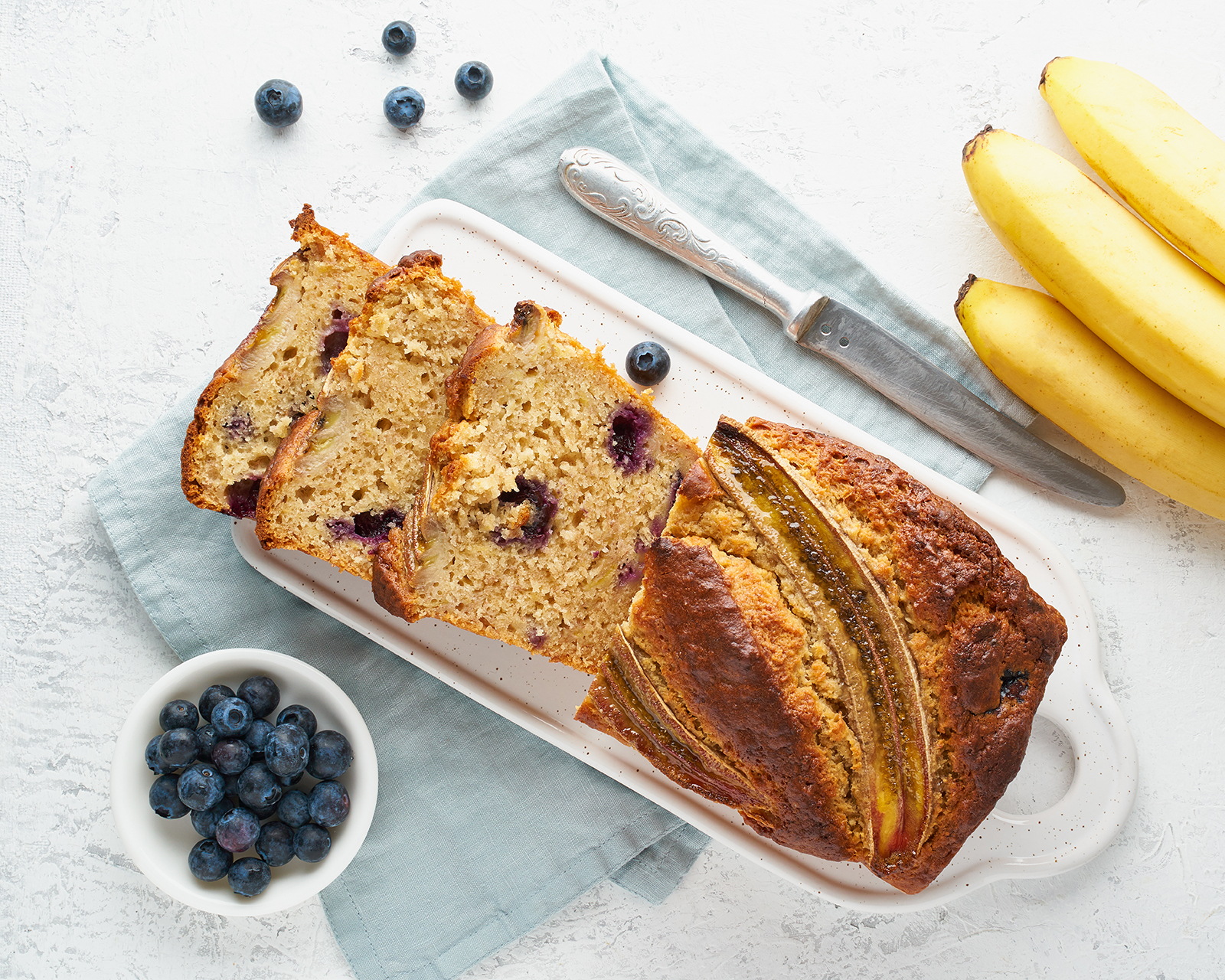
Want a simple, tasty way to support brain health? Add a handful of blueberries to your breakfast, snack, or smoothie.
These little powerhouses are packed with anthocyanins and flavonoids—compounds that have been linked to better memory and cognitive function. An extensive 2019 study even found that people who ate more fruit over time had a lower risk of age-related brain decline.
And if blueberries aren’t in season, don’t sweat it. Blackberries, cherries, and raspberries bring similar benefits—and taste just as good on top of yogurt, oats, or straight from the bowl.
Salmon: Fuel Your Brain With Smart Fats
Your brain is mostly fat—yep, really!—and that’s a good thing. Omega-3 fatty acids, especially the kind found in fatty fish like salmon, help support brain health, memory, and even mood as we age.
One 2018 review showed that omega-3s may help protect the brain from decline. Another study found that eating more fish, regardless of omega-3 content, was linked to greater gray matter volume in the brain (that’s the part responsible for memory, emotions, and decision-making).
If salmon isn’t your thing, sardines, mackerel, and herring are great alternatives. Plant-based? Flaxseed, chia, and walnuts still offer some omega-3 benefits—just know your body absorbs them a bit differently.
Related: Chopped Salmon Salad Recipe
Walnuts: A Brainy Boost With A Satisfying Crunch
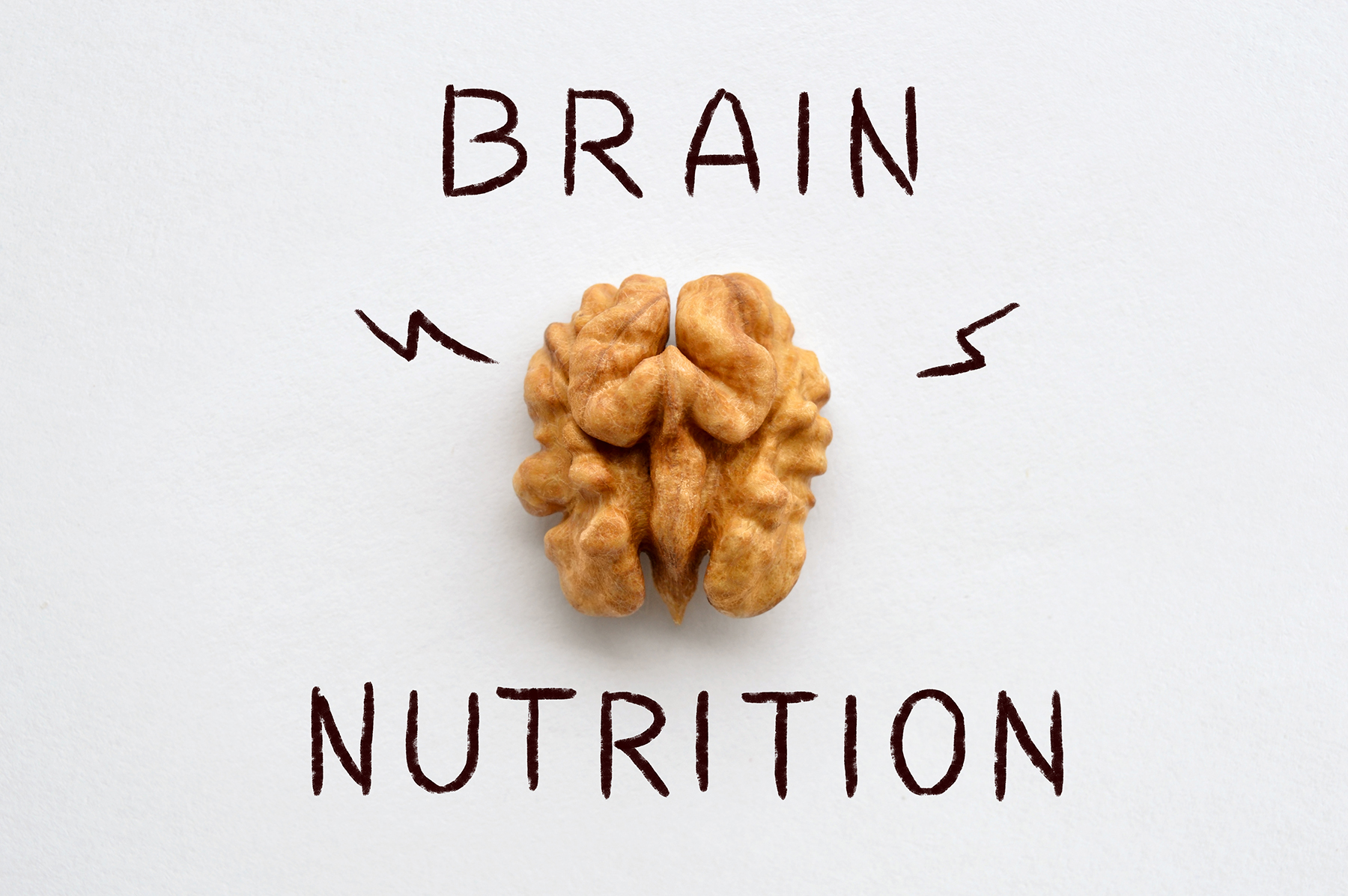
Nuts have long had a spot on the “smart snack” list, and walnuts in particular bring a powerful mix of brain-supporting nutrients to the table. They’re rich in phytochemicals and polyunsaturated fats, including alpha-linolenic acid (ALA), a plant-based omega-3 that may support brain health.
In one study, a Mediterranean-style diet that included walnuts was linked to better working memory. Other research has connected regular walnut consumption with improvements in cognitive flexibility, processing speed, and memory.
Snack on them straight, sprinkle them over oats or salads, or even blend them into savory recipes (like chili or meatless burger patties) for an extra crunch and brain boost.
Related: Why the Mediterranean Diet is the Smartest Way to Eat for Long-Term Health
Foods to Keep in Check for Brain Health
There’s plenty you can eat to fuel your brain, but there are also a few things you might want to ease up on — even if they are fan favorites (we see you, garlic fries).
1. Fried Snacks
This one’s pretty straightforward: trans fats are tough on the brain. Even though they’re less common than they used to be, they still sneak into plenty of fried and packaged foods.
A 2016 study linked trans fats to a higher risk of cognitive decline and Alzheimer’s disease. Another review in 2014 backed that up, suggesting they could raise the risk for dementia.
Quick tip: skip anything with “partially hydrogenated oils” on the label — even if the front says “trans fat free.” (That just means it has less than 0.5 grams per serving.)
2. Sugary Drinks
We know soda isn’t doing us any favors, but the stats still show that many people are drinking about 40 gallons a year. Yikes.
One study found that folks who regularly drank sugary beverages had smaller brain volumes, worse memory, and more signs of early brain aging.
If you lean on soda for a caffeine fix, try swapping in coffee, green tea, or even sparkling water with a splash of juice.
3. Diet Soda
Sorry, but the sugar-free version doesn’t get off the hook either.
One study linked daily diet soda intake with a higher risk of Alzheimer’s disease and stroke. The research isn’t crystal clear yet, but the potential risks are enough to give pause.
If cutting it completely feels too big, try tapering it down. Maybe trade one can for fizzy water with citrus or herbs like mint.
4. Alcohol
Even moderate drinking can chip away at brain health over time. Research found that higher alcohol intake in men sped up cognitive decline, and another study linked it to declines in vocabulary and overall mental sharpness.
You don’t have to give it up completely, but consider some easy swaps: mix wine with sparkling water, aim for a few alcohol-free nights a week, or volunteer as the DD more often.
Related: Is There a Link Between Ultraprocessed Foods and Brain Health?
Small Choices, Big Impact
Eating to support your brain doesn’t mean giving up everything you love — it’s more about finding a balance that works for your body and your goals.
And the good news? Some of the things you may already enjoy — like a morning cup of coffee, a square of dark chocolate, or a handful of walnuts — could be doing your brain a whole lot of good.
Your Brain, Your Body, Your Challenge
Ready to nourish your body with purpose? Join My Peak Challenge and get the tools, training, and community to support your goals — inside and out.