

By Rachael Schultz
You’ve probably heard of the Mediterranean diet before — maybe even flirted with it during a phase of Greek salads and olive oil everything. But this way of eating isn’t just another health trend. And it’s definitely not a restrictive “diet” in the traditional sense. It’s a flexible, flavorful, and science-backed approach to food that supports your body from the inside out.
In fact, the Mediterranean diet is considered one of the healthiest diets in the world. It backs pretty much every goal of healthier living — better energy, sharper brain function, a healthier heart, a longer lifespan, and a healthier metabolism.
And here’s the kicker: It’s all about eating real, whole foods that are easy to love, easy to find at your local store, and easy to stick with.
If you’re looking for a smarter, more sustainable way to feel better, eat better, and support long-term health, the Mediterranean diet might just be the shift you’ve been waiting for. Here’s why it works — and how to make it work for you.
What the Mediterranean “Diet” Really Means
The Mediterranean diet isn’t really a “diet” at all — it’s more of a blueprint for how to eat in a way that supports your body, without making you miserable.
The emphasis is on plant-forward meals with healthy fats, fiber, and lean proteins that help reduce inflammation and stabilize blood sugar.
With the Mediterranean diet, you’re not following strict rules — you’re building meals around colorful, nutrient-dense ingredients that taste good.
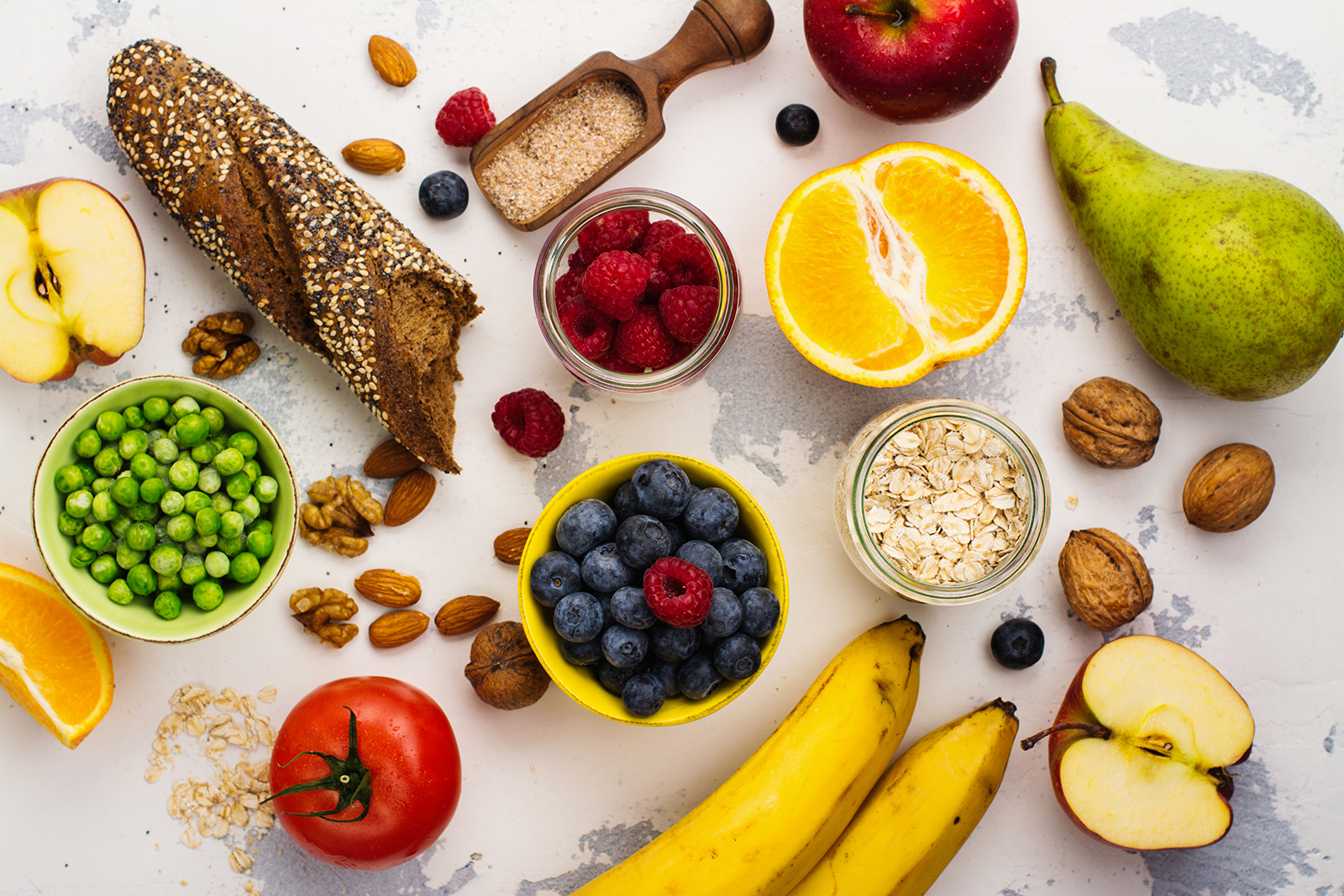
Rooted in the traditional eating patterns of countries bordering the Mediterranean Sea (think Greece, Italy, Spain, and southern France), this approach focuses on real, whole foods:
- Vegetables and fruits
- Whole grains
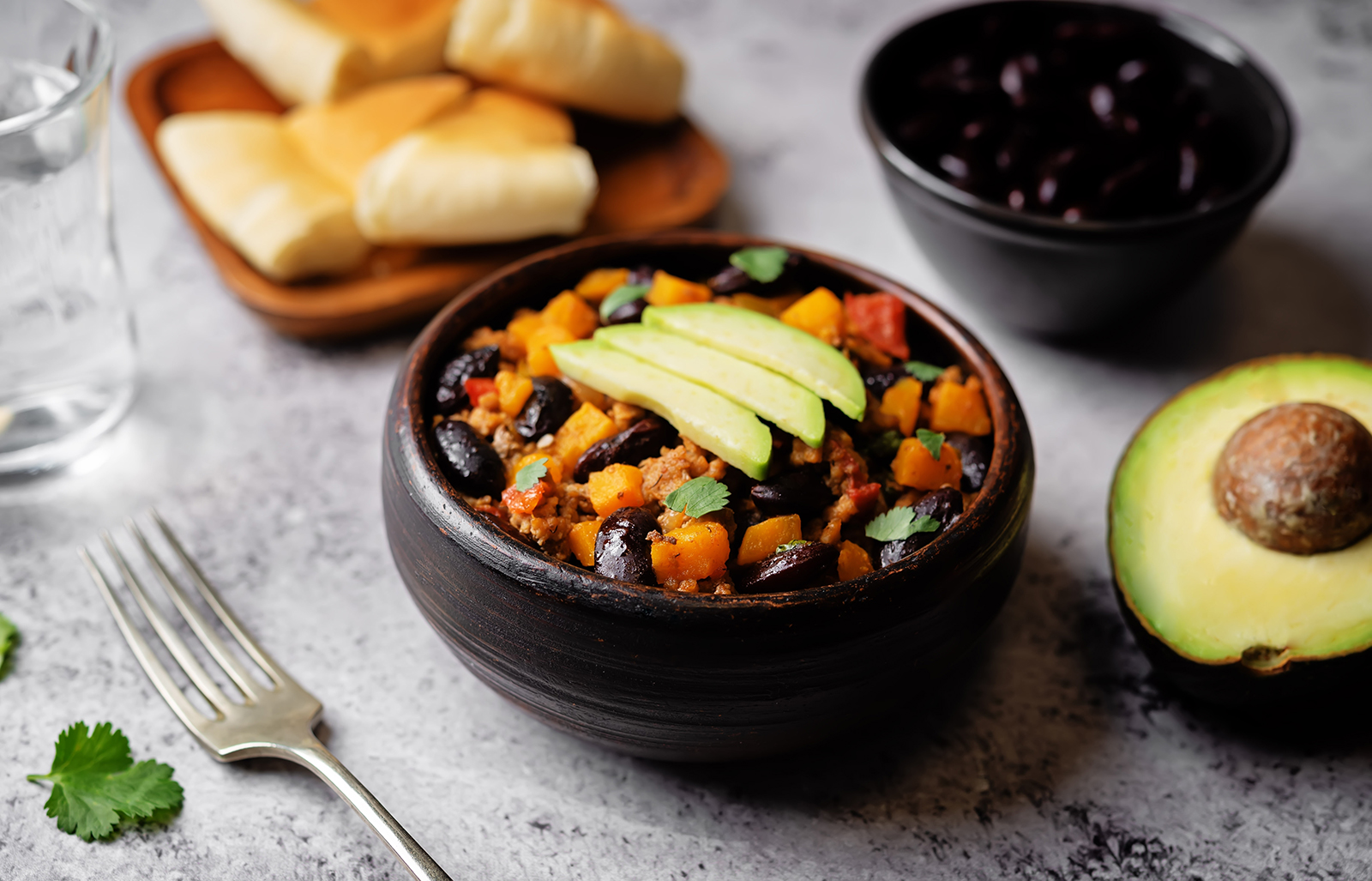
- Legumes
- Nuts and seeds
- Plenty of extra-virgin olive oil
- Fish and seafood, typically eaten a few times a week
- In moderation: poultry, eggs, and dairy (mostly yogurt and cheese)
- Occasionally: red meat and sweets
Wine is part of the picture, too, but it’s always optional and usually enjoyed in small amounts with meals.
This way of eating was first studied in the 1950s, when researchers found people in Mediterranean regions — despite having relatively high fat intake — had much lower rates of heart disease and longer life expectancy compared to those in the U.S. and Northern Europe.
Over time, we realized this was in part because of their local diet, which is high in plants and low in ultra-processed foods. But it wasn’t just what they are, but also how: The Mediterranean lifestyle encourages sitting down for meals, savoring your food, and sharing it with others. It’s slow, intentional eating — not scarfing down a protein bar in your car or skipping dinner because your meal tracker said you’re “done for the day.”
This way of eating is less about restriction and more about nourishment. The modern Mediterranean diet, as we know it, is a contemporary, science-backed interpretation of the traditional way of eating.
Related: Eat Your Way to Wellness: A Guide to Popular Diets
Why This is Maybe the Best Diet of All Time
The Mediterranean diet has a lot of benefits — and we mean a lot. It’s widely considered one of the healthiest approaches to eating out there. Here are just a few of the reasons why:
It’s an Anti-Inflammatory Powerhouse
The majority of modern diseases and illnesses are due, at least in part, to high levels of inflammation. This includes cardiovascular disease, type 2 diabetes, various types of cancer, rheumatoid arthritis, inflammatory bowel disease, osteoarthritis — the list goes on.
Study after study shows the Mediterranean diet is a powerful anti-inflammatory approach to eating. That’s because pretty much everything on the diet is known to reduce inflammation, and everything you avoid eating is what increases it.
Olive oil, in particular, is filled with phenolic compounds to reduce DNA damage and inflammation. Key fruits of the Med diet — oranges, pomegranates, berries, figs, and grapes — as well as vegetables — fresh greens, tomatoes, eggplants, cabbages, radishes, onion, garlic — are all high in vitamins and polyphenols, compounds in food that work as antioxidants in the body. Between olives, nuts, and seafood, the Med diet is also rich in foods high in omega-3 fatty acids, one of the best anti-inflammatory compounds out there.
On the flip side, the Mediterranean diet limits red meat and added sugar — two foods know to trigger inflammation in the body.
This anti-inflammatory diet has endless positive effects, from less weight gain to lower disease risk to less fatigue and joint pain. Studies even show the diet’s anti-inflammatory and antioxidant potential may help your body cope with environmental stressors and air pollution.
It Supports a Healthy Metabolism/Weight Loss Without Calorie restriction
Studies show the Mediterranean diet is highly effective at keeping weight down and obesity risk low. It also helps foster a healthy gut microbiome, which means fewer digestive issues and more nutrient absorption. The best part: There’s no counting calories or restricting when you eat. This diet is all about what you can eat, rather than what you can’t.
What gives the Mediterranean diet its metabolic edge is the combo of fiber-rich foods that keep your blood sugar steady and healthy fats that help you feel full longer. Add in slow-digesting carbs like legumes and whole grains — and very little processed sugar — and you’ve got a way of eating that supports steady energy all day long.
There’s also a lot of power behind olive oil: Women who added olive oil to their diet long-term — especially in place of butter or margarine — had a lower body weight in middle age, according to a large 2021 study in the American Journal of Clinical Nutrition.
Most of all, because the Mediterranean diet is a lifestyle of eating rather than a restrictive diet, it’s a sustainable approach to eating, making it more effective in healthy weight management long-term.
It Seriously Protects Your Heart
The Mediterranean diet is one of the top doctor-recommended diets for cardiovascular disease prevention. That’s because the Med Diet is largely plant-forward, and studies show people who eat a lot of fruits and vegetables have a lower risk for heart disease, stroke, and type 2 diabetes. What’s more, both legumes (e.g., lentils, beans, chickpeas) and nuts are amazing for your heart health.
The good news is that switching over to this way of eating can help whether you already have heart disease or not — studies show it helps to reduce the burden of cardiovascular disease or even prevent it entirely.
This is especially great for post-menopausal women, considering the risk of cardiovascular disease goes up significantly after the hormonal shift.
It Helps Stabilize Insulin
Another huge perk of eating a diet high in fiber, healthy fats, and complex carbs is improved insulin function. A 2023 study in the Journal of Clinical Endocrinology & Metabolism found that overweight people who followed the Mediterranean diet for just eight weeks had significantly better insulin sensitivity than those on a typical Western diet.
This can help lower your risk of developing type 2 diabetes, especially if you’re prediabetic. It also means more stable blood sugar levels, which helps prevent energy crashes throughout the day.
Related: The MIND Diet May Slow Cognitive Decline
It’s Especially Helpful for Women During or Post-Menopause
Menopause often comes with a whole list of challenges, like weight gain, poor sleep, and a higher risk of heart disease. While it may not do much for sleep, the Mediterranean diet has been shown to improve nearly all the others.
Research out of Portugal found that when women going through menopause stuck to the Mediterranean diet, they lost weight and had improved blood pressure, triglyceride levels, and cholesterol levels.
Meanwhile, a 2022 study from Italian researchers surveyed post-menopausal women following the Med diet to different extents and found certain components of the diet helped with menopausal symptoms. Women who ate more legumes experienced fewer physical symptoms like sleep disturbances, joint and muscle aches, hot flashes, and sexual complaints, while those who ate more olive oil had less anxiety, depression, and irritability.
It Increases Your Lifespan
A massive 25-year study, published in Nutrition, Obesity, and Exercise, found that women who consistently followed the Mediterranean diet were 23% less likely to die during the study period. They also had lower levels of inflammation, better insulin resistance, and healthier BMIs — factors that likely contributed to their longer life span.
The jury’s still out on how helpful it is against cancer, but some studies suggest that people who eat according to the Mediterranean diet have a lower risk for different types of cancer. And we know that as many as 30-35% of cancer-related deaths are linked to diet, so eating more whole foods and less carcinogenic red meat can only help.
It Fuels Your Brain for the Long Run
The Mediterranean diet gives your brain a major boost, according to researchers. Packed with olive oil, fish, nuts, and colorful fruits and vegetables, it delivers powerful brain-protective nutrients that support cognitive health. A landmark 2017 study in the journal Neurology found that healthy 70-year-olds who followed the Mediterranean diet had less brain atrophy — shrinkage that’s directly related to cognitive decline — over the next three years compared to those who were also healthy but not following the diet. Other research has found the Mediterranean diet helps protect against memory decline and Alzheimer’s Disease, as well.
Beyond just preserving your brain’s structure, this diet also improves how it functions. The antioxidants from fruits, vegetables, and olive oil fight damaging free radicals, while the omega-3s reduce inflammation – both critical for brain health. An older study in JAMA Internal Medicine found people who ate in the Mediterranean style with extra nuts or olive oil — both packed with healthy fats — scored better on memory tests and thinking skills. It has also been shown to increase specific kinds of gut bacteria that are linked with better memory and cognitive performance.
Additionally, the diet’s steady, slow-release carbohydrates from whole grains help maintain stable blood sugar levels, which keeps your brain energy supply consistent throughout the day.
Related: Plant-Based Eating for Muscle Growth
How to Start Eating the Mediterranean Way
- Start simple: Make basic swaps to what you eat every day rather than overhauling your entire diet. Swap butter for olive oil. Trade one snack a day for a handful of nuts. Eat fish once a week if you don’t already.
- Focus on olive oil, legumes, nuts, and fish. A 2023 study in Nutrients found people were most likely to stick to the Med diet if they ate more olive oil, legumes, and fish, and less likely to stick to it if they didn’t eat enough of these staples.
- Upgrade your snacks: Reach for nuts, olives, hummus, or fruit with tahini instead of chips or protein bars. When it comes to sweets, try to reach for a piece of fruit instead of something with added sugar.
- Shop the perimeter: Whole, colorful foods are the base. Canned beans, frozen veggies, and quick-cooking grains totally count.
- Cook in bulk: Make lentil soup or a grain bowl base to use throughout the week.
- Adopt more as time goes on. Across the board, the studies are clear: To reap the full benefits of the Med Diet, you’ll want to be eating this nutrient-rich, plant-forward diet for years to come. That means you’re in a marathon, not a sprint. Focus on making small, sustainable changes to your diet, then add more healthy foods to your diet as you go.
Ready to Feel Your Best?
At My Peak Challenge, we believe in fueling your goals with real food, real support, and a community that shows up for each other every day. Whether you’re here to build strength, improve your health, or feel better in your own skin, we’ve got your back.
💥 Join MPC today and get access to expert-backed training, nutrition resources (like this one!), and a global community of Peakers cheering you on—every step of the way.