
By Maureen Farrar
We talk a lot about the importance of protein for building muscle, repairing tissues, and boosting energy levels, but what if you’re following a plant-based diet? It’s a common misconception that you need meat to get those muscle gains, but the truth is, you can absolutely build a strong, healthy body with plant-based protein. Let’s dive into the details of how to make it happen.
The Importance of Protein
Protein is essential for much more than just building muscle. It’s a fundamental building block for bones, cartilage, and organs, and it plays a crucial role in various bodily functions, including metabolism, immune function, and hormone regulation.
Beyond its vital functions, protein plays a crucial role in maintaining muscle mass throughout our lives, especially as we age. Our bodies naturally lose muscle mass, starting as early as our 40s. This gradual loss can affect metabolism, endurance, and balance, making maintaining and even building muscle crucial for everyone.
Additionally, certain groups have specific protein requirements. Women experiencing menopause may experience muscle loss due to hormonal changes, and individuals who are trying to lose weight, have difficulty tolerating high-fiber diets, or experience decreased appetite may also need to pay extra attention to their protein intake.
If you’re following a plant-based diet, ensuring you’re getting enough protein for optimal health and muscle growth may take more planning, but it’s definitely achievable with the right approach.
How to Eat Enough Protein On a Plant-Based Diet
Understanding how your body builds muscle is key to optimizing your fitness goals. Weight-bearing exercise creates tiny tears in muscle fibers, triggering inflammation and increased blood flow to the area. This delivers essential nutrients, including protein, that help repair and grow muscle tissue.
Protein is made up of amino acids, which are the building blocks for muscle growth and repair. While animal products provide all the essential amino acids your body needs, plant-based sources typically require combining different foods to get the full spectrum.
Pay close attention to getting enough nutrients like vitamin B12, iron, zinc, calcium, selenium, and omega-3 fatty acids. For vegetarians, dairy products like cheese, milk, and yogurt contain plenty of B12. If you’re vegan, fortified foods like breakfast cereal and nutritional yeast can help supply that. Consider exploring supplements, especially for vitamin B12, which is crucial for those avoiding animal products.
The recommended daily protein intake varies depending on your age, activity level, and overall health. However, a general guideline from the Institute of Medicine suggests aiming for 10% to 35% of your daily calories from protein sources. That’s about 200 to 700 calories from protein on a typical 2,000-calorie diet, or 0.8 grams of protein per kilogram of body weight.
If you’re more active, your needs will be higher. For instance, if you’re exercising regularly, you should aim for at least 1.1 grams per kilogram of body weight. Endurance athletes need 1.4 to 1.6 grams of protein per kilogram of body weight per day.
Related: How Much Protein Do I Need?
To meet those goals, the key is approaching your plant-based meals with a focus on colorful, diverse options rather than dwelling on what you’re excluding.
A great way to start the day with a protein boost is a hearty green smoothie packed with dark, leafy greens, frozen berries, plant-based protein powder, and hemp seeds. To add some extra pizzazz to your dishes, use spices and seasonings typically associated with meat to enhance the flavors.
One helpful strategy is to break down your daily protein needs by meal and snack, focusing on hitting your protein and calorie goals for one meal at a time. Once you master one meal, move on to the next. This gradual approach helps you discover which foods work best to reach your protein target.
Feel free to experiment with different plant-based protein sources like peas, nuts, seeds, hemp, and even canned, low-sodium beans, quinoa, tofu, and tempeh are great options. While plant-based proteins are having a moment and offering many convenient options, be mindful of added fats, sugars, and carbs. Make sure you read those labels carefully.
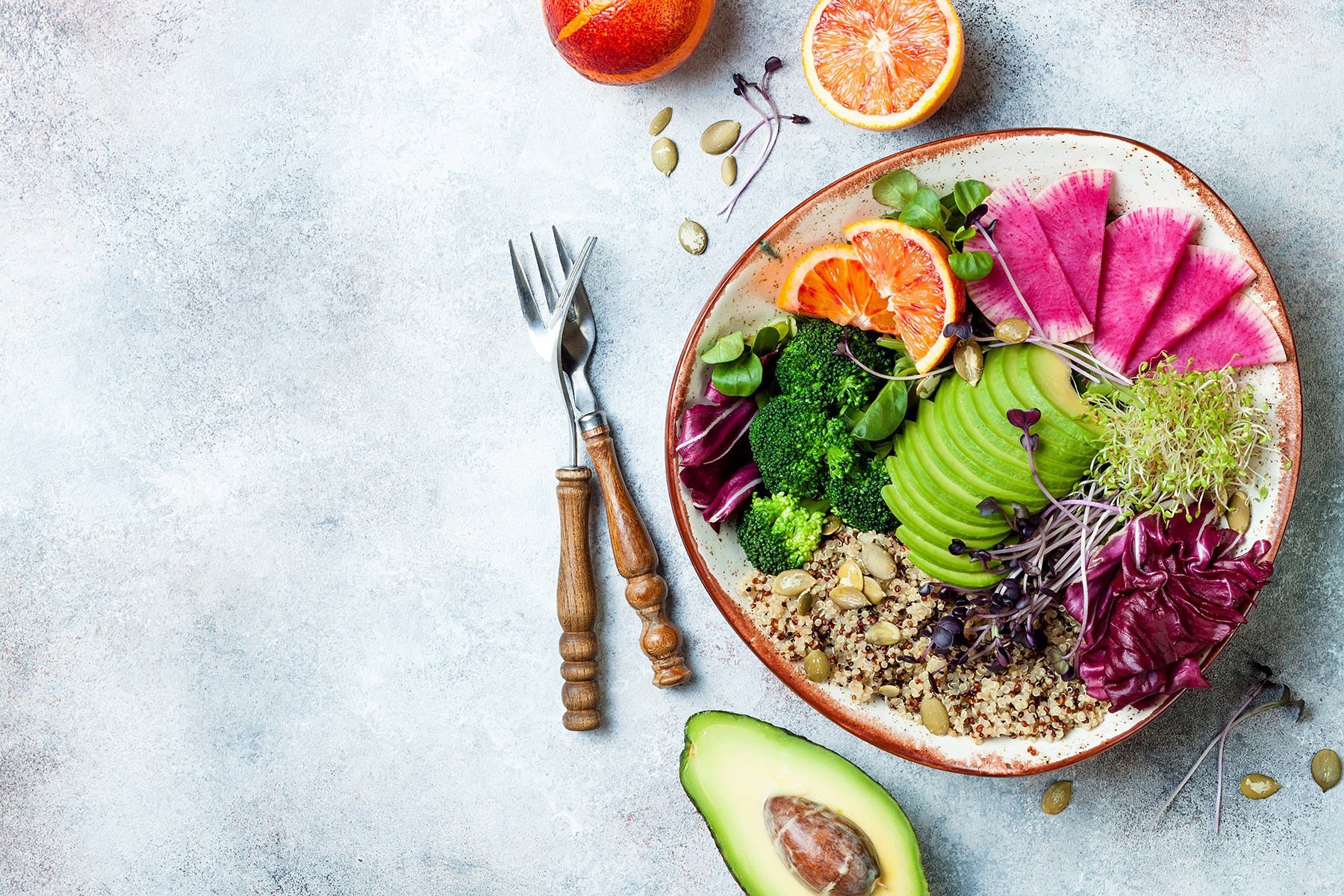
Ultimately, the key to a successful plant-based diet is variety. Aim for a diverse range of foods to ensure you get all the essential nutrients for muscle growth and overall health. Think of your plate as a rainbow – colorful, flavorful, and packed with nutrients.
Learn The Basics of Nutrition
Ready to take charge of your health and understand the fuel that powers your body? Our nutrition course series breaks down the essentials, empowering you to make informed choices and nourish yourself for optimal well-being.