
Maintaining brain health becomes a priority as we age. Alarmingly, statistics show that Alzheimer’s and other cognitive impairments affect a significant portion of older Americans. While aging itself is a factor, our lifestyle choices can significantly influence our risk. Factors like a healthy diet and regular exercise play a crucial role in supporting brain health and reducing the likelihood of cognitive decline.
That’s where the MIND diet comes in.
What Is the MIND Diet?
The MIND diet is specifically designed to support brain health and lower your risk of Alzheimer’s and other forms of dementia. It draws inspiration from both the Mediterranean diet and the DASH diet, two well-regarded healthy eating plans. The acronym MIND stands for Mediterranean-DASH Intervention for Neurodegenerative Delay.
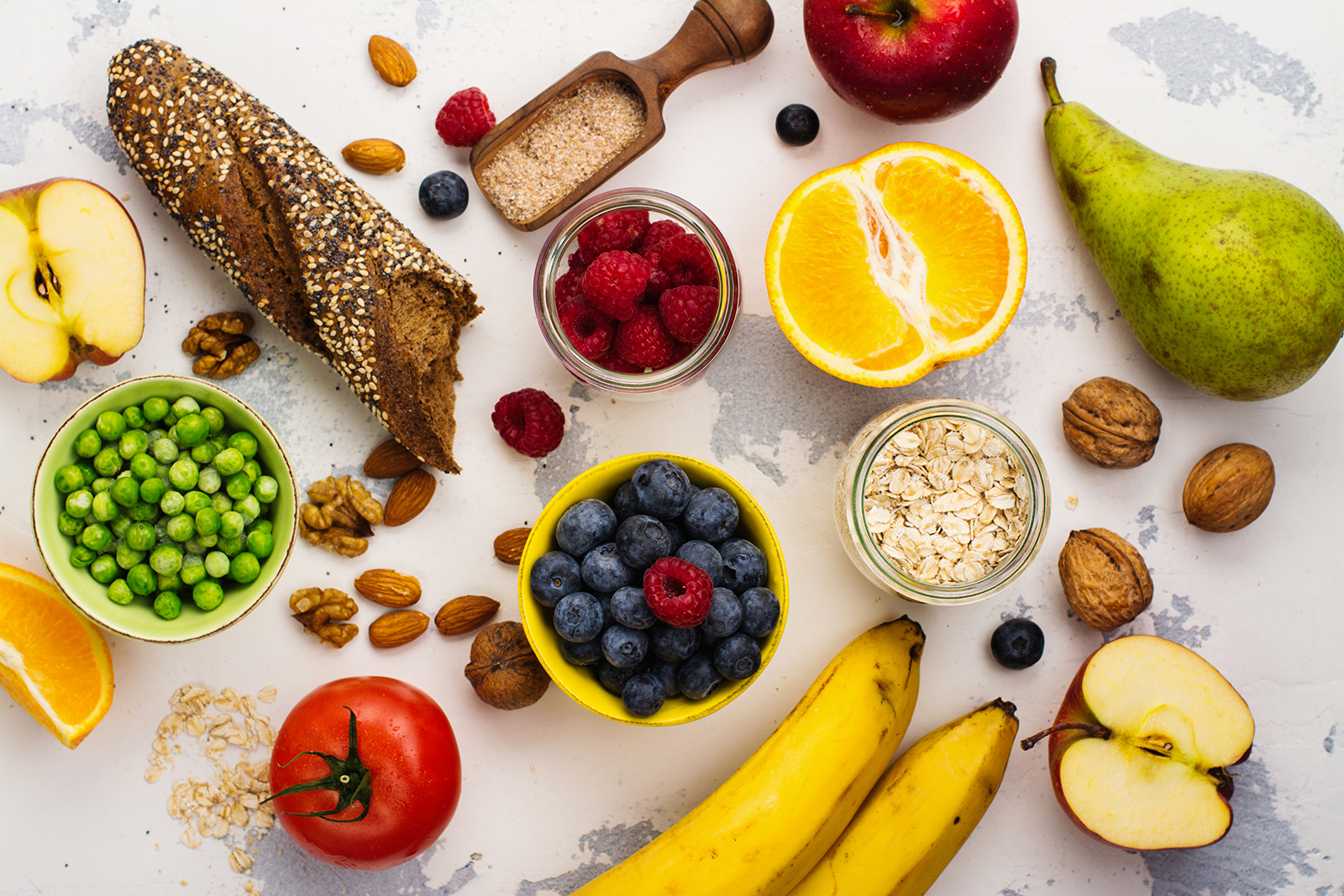
The MIND Diet combines foods from the Mediterranean and DASH diets that have been shown to benefit brain health. It prioritizes ten brain-healthy food groups: green leafy vegetables, other vegetables, nuts, berries, beans, whole grains, seafood, poultry, olive oil, and wine. Conversely, it limits the consumption of five unhealthy food groups: red meats, butter and stick margarine, cheese, fried and fast foods, as well as pastries and sweets.
While both the Mediterranean and DASH diets encourage ample fruit consumption, berries seem to have a particularly strong association with improved brain function, making them a standout choice for boosting cognitive health.
Related: Is There a Link Between Ultra-Processed Foods and Brain Health?
Does It Work?
Yes, according to new research published in Neurology, the journal of the American Academy of Neurology. This research is part of an ongoing study called REGARDS, or Reasons for Geographic and Racial Differences in Stroke, sponsored by the National Institutes of Health.
The study involved over 14,000 participants, 70% White and 30% Black. At the beginning and after ten years, participants reported their dietary habits and underwent health assessments, including electrocardiograms, blood pressure measurements, and blood work.
Researchers scored diets based on adherence to the MIND diet principles, emphasizing higher consumption of whole grains, green leafy vegetables, other vegetables, berries, fish, poultry, beans, nuts, and olive oil. Lower intake of red/processed meats, fried/fast foods, and butter/margarine also contributed to a higher score.
The results showed that individuals who followed the MIND diet more closely had a 4% lower risk of developing memory and thinking problems. This association remained significant even after accounting for other factors like exercise, education, smoking, BMI, medical conditions, age, and mental health. Notably, women who adhered to the diet experienced a 6% reduction in risk, while men did not show a statistically significant benefit.
The study also revealed that individuals who closely adhered to the MIND diet experienced a slower rate of cognitive decline compared to those who didn’t. Interestingly, this association was even more pronounced in Black participants than in white participants.
“These findings warrant further study, especially to examine these varying impacts among men and women and Black and white people, but it’s exciting to consider that people could make some simple changes to their diet and potentially reduce or delay their risk of cognitive issues,” study author Dr. Russell Sawyer said in a journal news release.
Related: A Guide to Popular Diets
10 Foods to Eat On the MIND Diet
Here’s a list of the 10 foods the MIND diet suggests you consume more of on a regular basis:
Berries: Make berries a regular part of your diet, aiming for at least two servings per week. Options like strawberries, blueberries, raspberries, and blackberries are all packed with beneficial antioxidants.
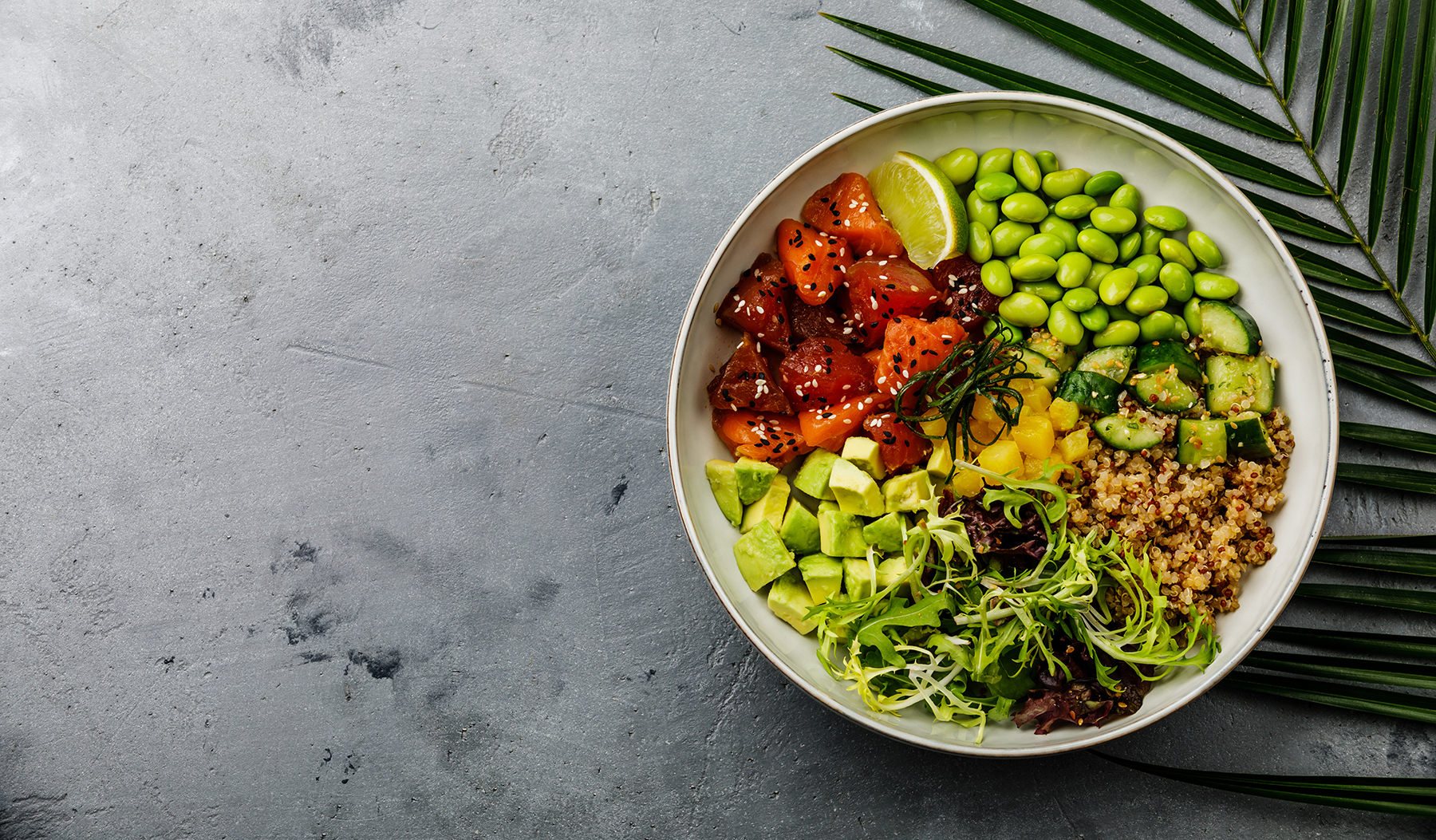
Fish: Incorporate fish into your weekly menu, aiming for at least one serving. Opt for fatty fish like salmon, sardines, trout, tuna, or mackerel, as they are rich in omega-3 fatty acids.
Poultry: Enjoy chicken or turkey at least twice a week, but remember that fried chicken isn’t recommended on the MIND diet.
Green, leafy vegetables: Aim for six or more servings per week. This includes kale, spinach, cooked greens, and salads.
Other vegetables: Make sure to include at least one serving of non-starchy vegetables in addition to your leafy greens each day. Non-starchy vegetables offer a wealth of nutrients without adding excessive calories, making them an excellent choice for a balanced diet. Vegetables like broccoli, asparagus, carrots, artichokes, cauliflower, peppers, and radishes are all great options.
Nuts: Aim to include nuts in your diet five or more times a week. The MIND diet doesn’t specify particular types, so feel free to enjoy a diverse selection of nuts for a broader range of nutrients.
Olive oil: Olive oil, a cornerstone of the Mediterranean diet, boasts health benefits that extend beyond the heart and reach the brain. Rich in the anti-inflammatory compound oleocanthal, extra-virgin olive oil may help protect against Alzheimer’s disease and other forms of dementia, as suggested by a 2022 study.
Whole grains: Whole grains are a nutritional powerhouse, forming the foundation of a healthy diet. They contribute to a reduced risk of heart disease, help manage diabetes, support weight loss efforts, and even protect your brain. With their wide variety, whole grains offer endless possibilities in the kitchen. Options like brown rice, oats, and amaranth provide magnesium, a mineral crucial for brain cell energy utilization.
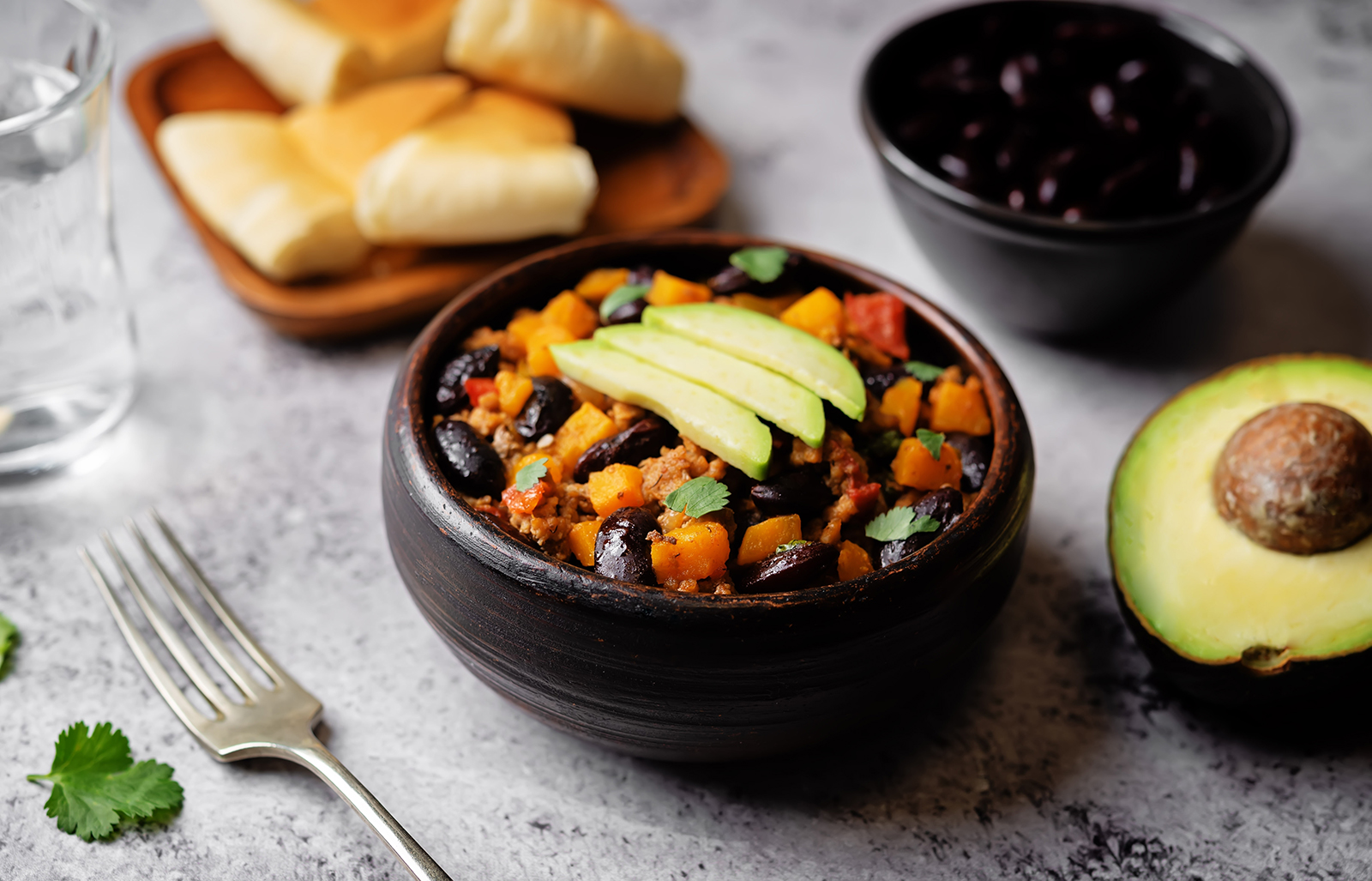
Beans: Beans, also known as legumes, like chickpeas, navy beans, and pinto beans, are excellent sources of magnesium, folate, and plant protein. Whether fresh or canned, they are also rich in fiber, which helps manage blood sugar levels, a crucial aspect of brain health. Aim to include beans in your meals at least four times a week.
Wine: Research suggests a potential brain health boost from enjoying a glass of wine in moderation. While the exact reasons remain unclear, this doesn’t mean everyone should start pouring. It’s crucial to remember that exceeding one glass a day can be detrimental, outweighing any potential benefits. If you’re pregnant or alcohol negatively impacts your health or life, it’s best to avoid it altogether. If you do choose to drink, moderation is key.
Related: Egg-Cellent Oatmeal
Improve Your Nutrition Know-How
Do you want to learn more about nutrition?
At My Peak Challenge, we believe that food is fuel and that in order for our bodies to work to their full potential, they have to be properly nourished. In our Fuel program, our registered dieticians tackle everything from the basics of human nutrition to the subversive ways diet culture might have influenced how you think about food.