

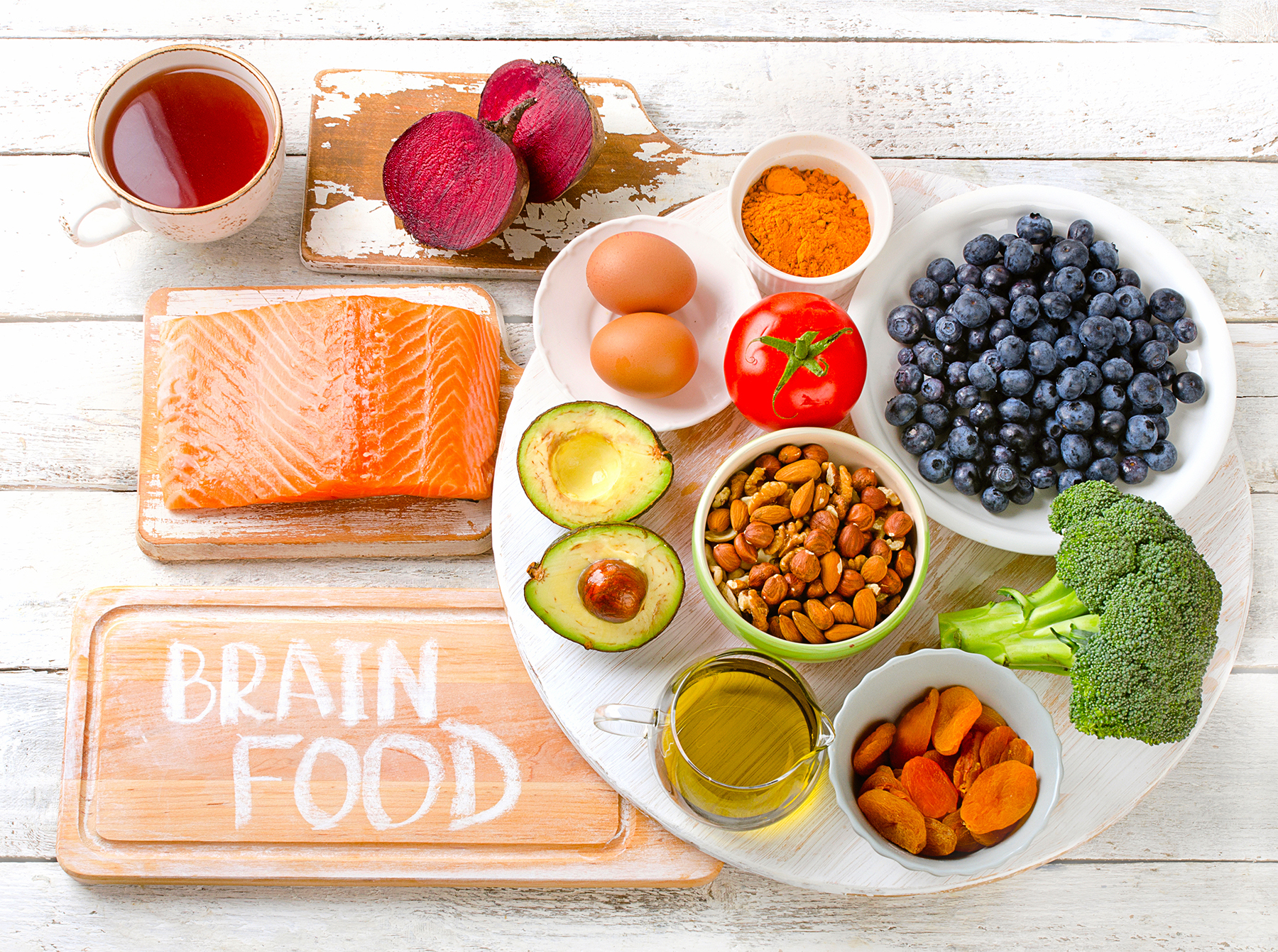
Scientists are on a mission to uncover the secrets of how our food choices impact our brains. Recent studies, particularly on processed meats, have raised some red flags, and the experts are determined to get to the bottom of it.
Preliminary research presented at the Alzheimer’s Association International Conference suggests that people who frequently eat processed red meats, such as hot dogs, bacon, sausage, salami, and bologna, might be at a higher risk of developing dementia later in life.
The study, which followed over 130,000 adults in the U.S. for up to 43 years, found that those who consumed about two servings of processed red meat per week had a 14% increased risk of developing dementia compared to those who ate less than three servings per month.
Interestingly, the study also found that eating unprocessed red meat, like steak or pork chops, did not significantly increase the risk of dementia. However, individuals who ate it daily were more likely to report a decline in their cognitive abilities compared to those who consumed red meat less frequently.
Most processed meats fall into the “ultra-processed food” category. These are foods made with ingredients you wouldn’t usually find in your kitchen, such as soy protein isolate, high fructose corn syrup, or artificial colors and flavors. Many of these foods also pack a punch of sugar, fat, or sodium, which we already know aren’t the best for our health.
Ultra-processed foods, like sodas, flavored yogurts, instant soups, and most breakfast cereals, make up a huge chunk of what Americans eat. They account for almost 60% of the calories we consume, both for kids and adults. Over the past decade, scientists have linked these foods to a whole host of health problems, including heart disease, type 2 diabetes, obesity, some cancers, and even gut issues.
Now, researchers are turning their attention to the potential impact of these foods on brain health. Could our dietary choices be affecting our cognitive function? That’s what scientists are trying to figure out.
Food For Thought
Over the past few years, several studies have found a connection between eating lots of ultra-processed foods and a decline in brain function. One study in Brazil, for instance, discovered that middle-aged adults who got at least 20% of their daily calories from ultra-processed foods experienced faster cognitive decline over eight years, especially in areas like problem-solving and decision-making.
Similar research in the UK and the U.S. also found a link between ultra-processed food intake and a higher risk of dementia and cognitive impairment.
While these studies show a strong association, it’s important to remember that they don’t definitively prove that these foods directly harm the brain. Some studies haven’t even found a consistent connection between ultra-processed food consumption and cognitive function.
Back To Basics
The good news is there are dietary changes you can make to stop that decline. The study revealed that swapping out just one daily serving of processed red meat for healthier options like nuts or legumes led to a significant 20% decrease in the risk of developing dementia. It also slowed down cognitive aging by an impressive 1.37 years, meaning participants’ brains stayed sharper for longer.
The study’s takeaway is that people should seek out whole, fresh foods as much as possible. In fact, other research supports this. Dietary patterns like the Mediterranean diet are consistently linked to better health outcomes because they emphasize whole, nutrient-dense foods and limit refined and processed foods.
It’s not about saying, “If you eat this, you’ll get that.” But with multiple studies pointing in the same direction, it’s definitely something to pay attention to. It’s clear that our dietary choices can have a real impact on our brain health, and it’s wise to be mindful of how much ultra-processed food we’re consuming.