


By Maureen Farrar
Most of us think of rest as simply getting more sleep. But there’s another form of rest that many people overlook: conscious relaxation.
Yoga nidra, often translated as yogic sleep, is a guided meditation practice that brings you into a deeply relaxed state somewhere between wakefulness and sleep. Unlike traditional meditation, you don’t need to sit cross-legged or clear your mind. You simply lie comfortably, usually in savasana (corpse pose), and follow the instructor’s voice as you’re guided through a series of relaxation techniques.
Although the practice has roots in ancient yoga traditions dating back thousands of years, modern research suggests yoga nidra may offer meaningful benefits for both physical and mental well-being.
How Is Yoga Nidra Different From Meditation?
Many people struggle with meditation because they think they’re supposed to stop thinking. Yoga nidra takes a different approach.
Instead of trying to quiet your thoughts through concentration, you’re guided through a structured sequence that often includes:
- settling comfortably into stillness
- bringing awareness to different parts of the body
- noticing your breath
- observing thoughts and emotions without judgment
- visualization or guided imagery
- returning to an intention before gently awakening
The goal isn’t to fall asleep — although that sometimes happens. Instead, the practice encourages deep relaxation while maintaining a gentle awareness of the present moment.
Why Does It Feel So Restorative?
During yoga nidra, your body shifts into a state associated with the parasympathetic nervous system, the rest, relax and digest side of our nervous system. As your heart rate slows and your muscles relax, your body has an opportunity to step away from the constant demands of everyday stress.
Because you’re lying comfortably and not trying to “do” anything, many people find yoga nidra easier to stick with than other forms of meditation.
Related: Find Serenity in Restorative Yoga
The Benefits of Yoga Nidra
Research on yoga nidra is still evolving, but studies suggest it may support health in several ways.
1. It Helps Calm Stress
One of the best-studied benefits of yoga nidra is stress reduction.
Multiple studies have found improvements in perceived stress, anxiety, and overall well-being following regular practice. Researchers believe the practice’s emphasis on deep relaxation helps reduce activation of the body’s stress response.
2. It May Improve Sleep Quality
Despite its nickname, yoga nidra isn’t meant to replace sleep. However, many people find that practicing it regularly helps them fall asleep more easily and enjoy more restorative rest.
Research involving people with chronic insomnia has found improvements in sleep quality and reductions in nighttime wakefulness after consistent yoga nidra practice.
3. It Encourages Emotional Awareness
Yoga nidra creates space to simply notice your thoughts and emotions without immediately reacting to them.
Many traditional yoga teachings describe this as an opportunity to observe deeply ingrained mental patterns — or samskaras — with curiosity rather than judgment. Over time, becoming aware of these patterns may make it easier to respond differently in everyday life.
Rather than forcing emotions away, yoga nidra encourages you to acknowledge them gently, which many practitioners find surprisingly freeing.
4. It’s Accessible to Nearly Everyone
Unlike more physically demanding yoga styles, yoga nidra requires very little movement.
You can practice lying on the floor, on your bed, or even seated in a comfortable chair if getting down to the floor isn’t practical. Sessions can last anywhere from five minutes to an hour, making it easy to fit into almost any schedule.
There’s also no “perfect” way to do it. If your mind wanders — or even if you briefly fall asleep — you can simply return to the practice the next time you notice the guide’s voice.
5. It Supports Overall Well-Being
Researchers have explored yoga nidra’s potential role alongside conventional treatment for a variety of conditions, including high blood pressure, chronic pain, diabetes, headaches, and menopause-related symptoms. While more high-quality research is needed before firm conclusions can be made, early findings suggest yoga nidra may be a useful complementary practice for supporting overall health, not a replacement for medical care.
Related: How Bedtime Yoga Can Transform Your Sleep
How to Get Started
One of the biggest advantages of yoga nidra is its simplicity.
To begin:
- Find a quiet, comfortable place where you won’t be interrupted.
- Lie on your back (or sit comfortably if needed).
- Support yourself with pillows or blankets so your body can fully relax.
- Choose one of our guided yoga nidra videos.
- Simply follow the instructions without worrying about “doing it right.”
Many people enjoy practicing before bed, while others use it as a midday reset when stress begins to build.
A Few Things to Keep in Mind
Yoga nidra is generally considered safe for most people. However, because it can bring heightened awareness to thoughts and emotions, anyone with significant trauma or certain mental health conditions may benefit from learning the practice with a qualified instructor or healthcare professional.
And while the practice is deeply relaxing, it should never be done while driving or performing any activity that requires your full attention.
The Bottom Line
In a culture that often celebrates constant productivity, yoga nidra offers something surprisingly powerful: permission to rest.
You don’t need flexibility, special equipment, or years of meditation experience. All you need is a comfortable place to settle in and a willingness to pause for a few minutes.
With regular practice, yoga nidra may help reduce stress, improve sleep, increase self-awareness, and leave you feeling calmer and more refreshed—one guided breath at a time.
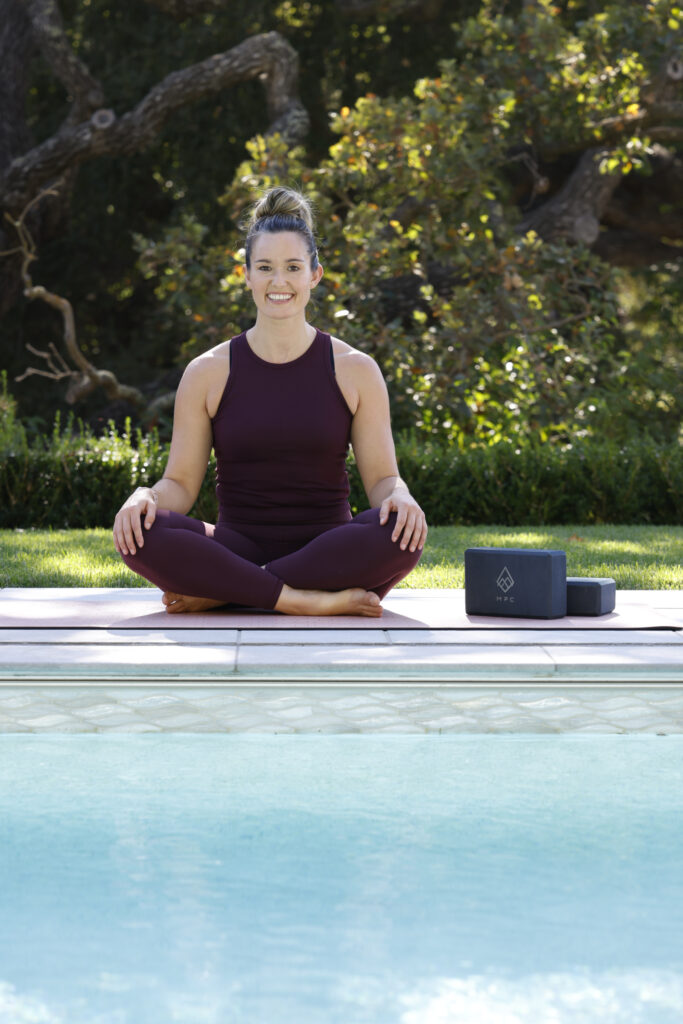
Rest. Restore. Renew.
Deep relaxation is a skill, and Yoga Nidra can help you develop it. Browse our collection of guided practices and discover how just a few minutes of conscious rest can make a meaningful difference in your day.