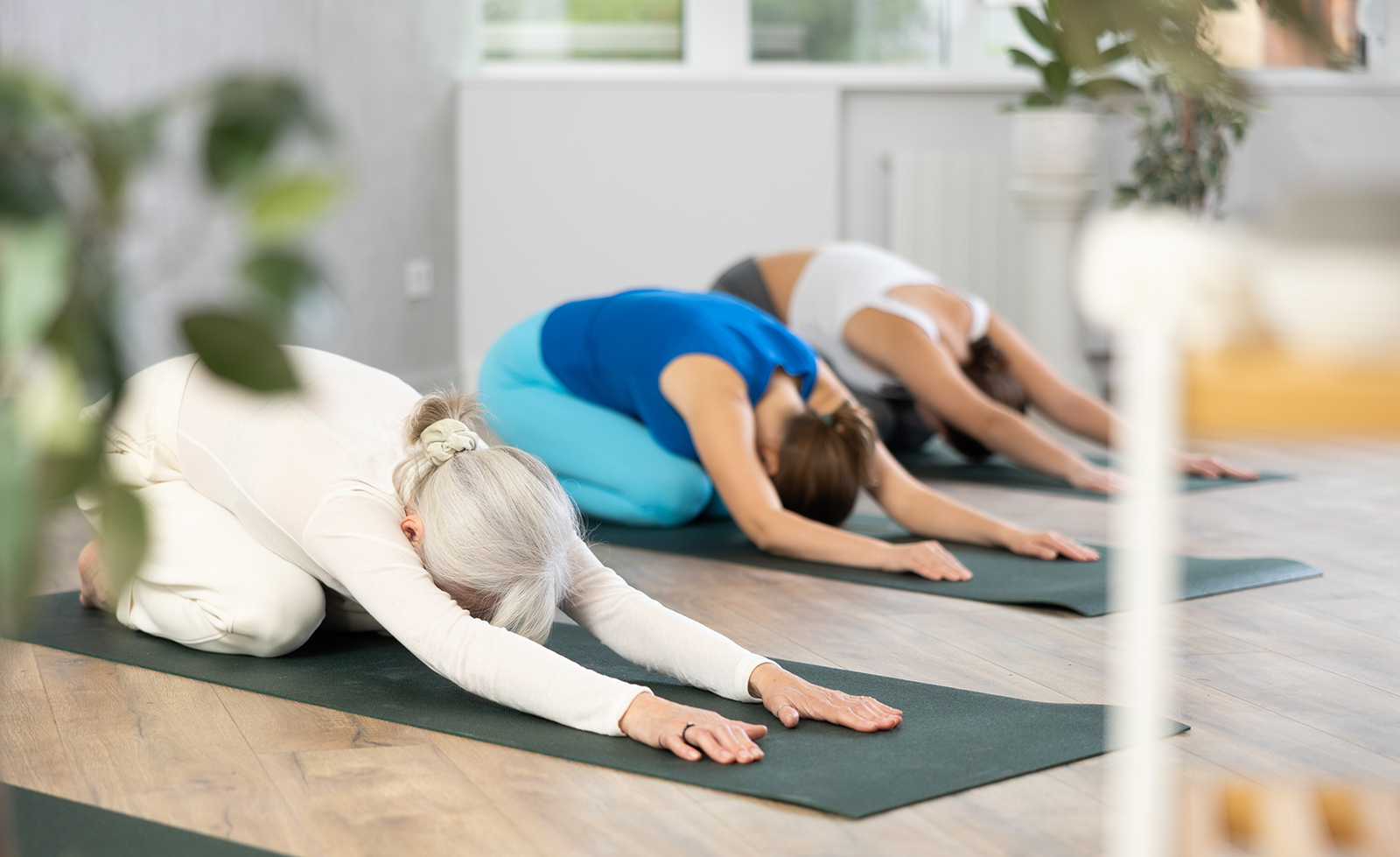


Are you tossing and turning at night? Staring at the ceiling instead of counting sheep? If sleep is elusive, a calming bedtime yoga practice might be the missing piece. Studies show that yoga can improve sleep quality, reduce stress, and help your body naturally wind down for the night.
Yoga is a unique blend of movement and mindfulness that offers the perfect balance for winding down before bed. Gentle stretches help release physical tension, while deep breathing and focus calm your racing mind. Incorporating a few simple poses into your evening routine can pave the way for a more restful and rejuvenating night’s sleep.
The Science of Bedtime Yoga
You’re not imagining it: yoga really does help you relax, and studies show why. Yoga helps your body regulate cortisol, the stress hormone that can spike throughout the day and make it hard to wind down at night. By practicing gentle movements and focusing on your breath, you activate your parasympathetic nervous system, often called the “rest-and-digest” system. This counteracts the fight-or-flight response triggered by stress, helping you feel calmer and more at ease.
But the benefits don’t stop there. Multiple studies have shown that regular yoga practice can improve sleep quality and even reduce symptoms of insomnia. One study found that participants who practiced yoga for 12 weeks experienced significant improvements in sleep duration, sleep efficiency, and overall sleep quality.
Benefits of Bedtime Yoga
Incorporating a few simple yoga poses into your evening routine offers benefits that go beyond a good night’s sleep.
Relaxation and stress reduction: Yoga’s gentle movements and focus on breath create a calming effect on the mind and body. This can help reduce stress and quiet racing thoughts and prepare you for a restful night’s sleep.
Improved sleep quality and duration: Studies have shown that a regular bedtime yoga practice can lead to better sleep quality and longer sleep duration. By activating the relaxation response, yoga helps your body ease into sleep more naturally.
Reduced anxiety and racing thoughts: Yoga’s mindful aspect encourages you to focus on the present moment and let go of worries and anxieties. This can be particularly beneficial for those who experience racing thoughts or difficulty falling asleep due to anxiety.
Gentle stretching for physical tension relief: Holding gentle stretches releases tension stored in your muscles, particularly those that have been overworked during the day. This promotes physical relaxation and helps prepare your body for sleep.
Increased body awareness and mindfulness: Yoga encourages you to tune into your body’s sensations and connect with your breath. This heightened awareness allows you to identify areas of tension and discomfort, promoting relaxation and mindfulness both on and off the mat.
Related: Gentle Flows
Creating Your Relaxing Bedtime Yoga Ritual
Crafting a bedtime yoga routine is all about setting yourself up for a peaceful night’s sleep. Here’s how to get started:
Choosing the Right Poses: Opt for gentle, restorative poses that encourage relaxation and release tension. Think flowing movements and postures that focus on deep breathing. Avoid intense or vigorous poses that could leave you feeling energized instead of calm.
How Long to Practice: Even a short session of 15-30 minutes can do wonders. Consistency is key, so aim for a few evenings a week to start, and gradually increase as you get more comfortable with the routine.
Setting the Mood: Create a soothing atmosphere to enhance relaxation. Dim the lights, light some candles or diffuse calming essential oils. Put on some gentle music or nature sounds to help quiet your mind.
Tips for Beginners:
-
- Modifications: Don’t push yourself too hard. Modify poses to suit your flexibility and comfort level.
-
- Props: Use pillows, blankets, or blocks to support your body and make poses more accessible.
-
- Focus on Breath: Pay attention to your breath throughout the practice. Deep, slow breaths can further calm your nervous system.
-
- Listen to Your Body: If something doesn’t feel right, don’t do it. Respect your body’s limits.
Experiment and find a routine that works best for you. Remember, the goal is to relax and prepare for sleep, so prioritize gentle movements and a calm environment.
Ready to sleep soundly and wake up refreshed? Incorporating a calming yoga practice into your evenings might be the secret to sweet dreams. By choosing the right poses, setting the mood, and practicing consistently, you can harness yoga’s calming powers for a more peaceful and rejuvenating sleep. Give it a try and see how this simple practice transforms your nights and your days. Your well-rested body and mind will thank you!
Related: Restore Flows