

By Shoshana Pritzker, RD, CDN, CISSN, LDN
Whether menopause is on the horizon or already shaping your days, it’s easy to feel overwhelmed by the stigma, confusion, and symptoms that often come with it. But here’s the truth: menopause is a natural part of aging — not something to dread or dismiss. You’re not imagining your symptoms, and you’re certainly not going crazy. They’re real, valid, and manageable. Understanding what’s happening inside your body is the first step, and supporting your hormones through smart nutrition is a powerful place to start.
How Your Hormones Shift in Midlife
Perimenopause can begin as early as your mid-30s and typically lasts about four to seven years. For some, it starts later — in their early 50s — but most women begin noticing changes in their 40s. During this time, ovarian function begins to decline, leading to hormonal fluctuations that can leave you feeling unlike yourself. Forgetfulness, low mood, and that unsettling sense of “losing it” are all common, and they’re connected to changes in your hormones, not your imagination.
As levels of estrogen, progesterone, and testosterone start to shift, it’s common to experience symptoms like low libido, mood changes, anxiety, brain fog, sleep disruptions, weight gain, hot flashes, night sweats, or even new patterns of hair growth. These changes are real, and they’re the direct result of what’s happening within your body.
Eventually, your periods may become irregular and then stop altogether. Once you’ve gone 12 consecutive months without a menstrual cycle, you’ve reached menopause. At this stage, the ovaries have stopped producing most sex hormones. While many symptoms overlap with perimenopause, others can emerge, such as vaginal dryness, urinary changes, joint pain, and shifts in skin and hair texture. This is also when bone loss can accelerate and cardiovascular risk begins to rise, making proactive care — including nutrition, movement, and stress management — more important than ever.
Related: What You Need to Know About Menopause and Bone Loss
How Hormonal Changes Impact Mood, Sleep, and Metabolism
Sex hormones do more than support reproduction — they also play key roles in energy, mood, and metabolism. As estrogen levels decline after menopause, metabolism naturally slows while appetite increases, often leading to changes in body composition and weight. Estrogen also helps regulate mood, so fluctuating levels during perimenopause can leave you feeling more irritable, emotional, or simply not yourself.
Low progesterone is linked with increased anxiety and low mood. You may notice your patience wearing thin, emotions feeling heightened, or intrusive thoughts showing up more often, all normal signs of hormonal shifts during this stage.
Meanwhile, lower testosterone levels can disrupt sleep cycles, causing more frequent wake-ups throughout the night. Poor sleep, in turn, raises cortisol (your body’s primary stress hormone), which can drive cravings, increase fat storage, and add to that “wired but tired” feeling.
These changes are a natural part of the menopausal transition, but they’re not something you’re powerless against. While no supplement can fully replace what your body once produced, focusing on what you can influence — through nutrition, movement, quality sleep, and stress management — helps you support your hormones and feel more vibrant and balanced as you age.
Related: Managing Menopause-Related Sleep Problems
How Nutrition Supports Hormonal Balance
A balanced diet is one of the most powerful tools you have to support your body through the hormonal shifts of perimenopause and menopause. The proper nutrition can help reduce common risks, like bone loss, muscle decline, and weight gain, while also improving mood, energy, and overall well-being. Here’s how key nutrients can make a difference:
Protein and Muscle Retention
As estrogen levels drop, metabolism slows, and your body’s ability to build and maintain muscle takes a hit. That’s why protein becomes even more important during this stage of life. A higher-protein diet supports muscle strength, helps control body fat, and keeps you feeling fuller for longer.
Studies suggest that women in perimenopause benefit from a protein intake of 1.6 grams per kilogram of bodyweight, while even 1.2 grams per kilogram per day has been linked to a 32% lower risk of frailty and better physical function.
“Pairing good nutrition with consistent strength training not only supports your hormones but helps you stay active, resilient, and confident for decades to come.”
To figure out your daily protein needs, start by finding your body weight in kilograms. Divide your weight in pounds by 2.2. Then multiply that number by 1.2 and 1.6. Use that range to set up your meals and snacks throughout the day. Hitting these numbers can take practice, so give yourself some grace — the goal is progress, not perfection.
Carbs For Energy
Carbohydrates often get an unfair reputation, but they’re essential for sustained energy and a healthy metabolism. Cutting carbs too drastically can leave you fatigued and unsatisfied, which often leads to overeating later.
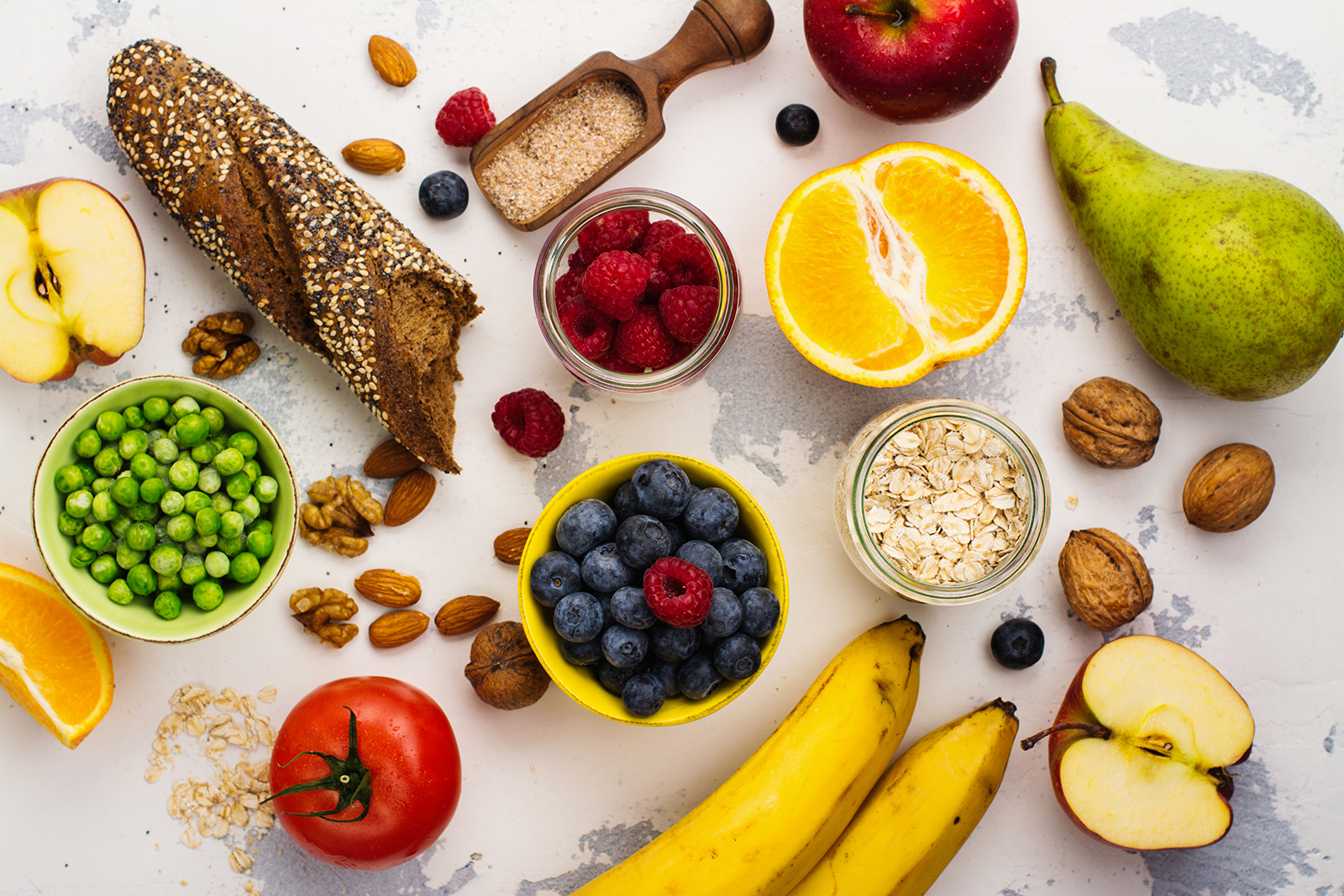
The truth: most weight gain isn’t caused by carbs themselves, but by overall calorie imbalance. Including nutrient-rich carbs with each meal helps regulate appetite and maintain energy levels. Studies show that higher-fiber, moderate-carb diets can improve metabolism and support weight management during menopause.
A good starting point is to aim for around 40% of your total daily calories from carbohydrates, roughly 200 grams per day if you’re eating about 2,000 calories. Choose high-fiber sources such as whole grains, fruits, vegetables, and legumes to help you reach the recommended 30–45 grams of fiber daily.
Healthy Fats For Hormone Production
The days of fearing fat are long gone — and that’s good news. Peakers know how beneficial dietary fats are in our daily nutrition routine. Healthy fats are required for optimal hormone production, including estrogen and testosterone, and they help your body absorb key vitamins that support energy, mood, and recovery.
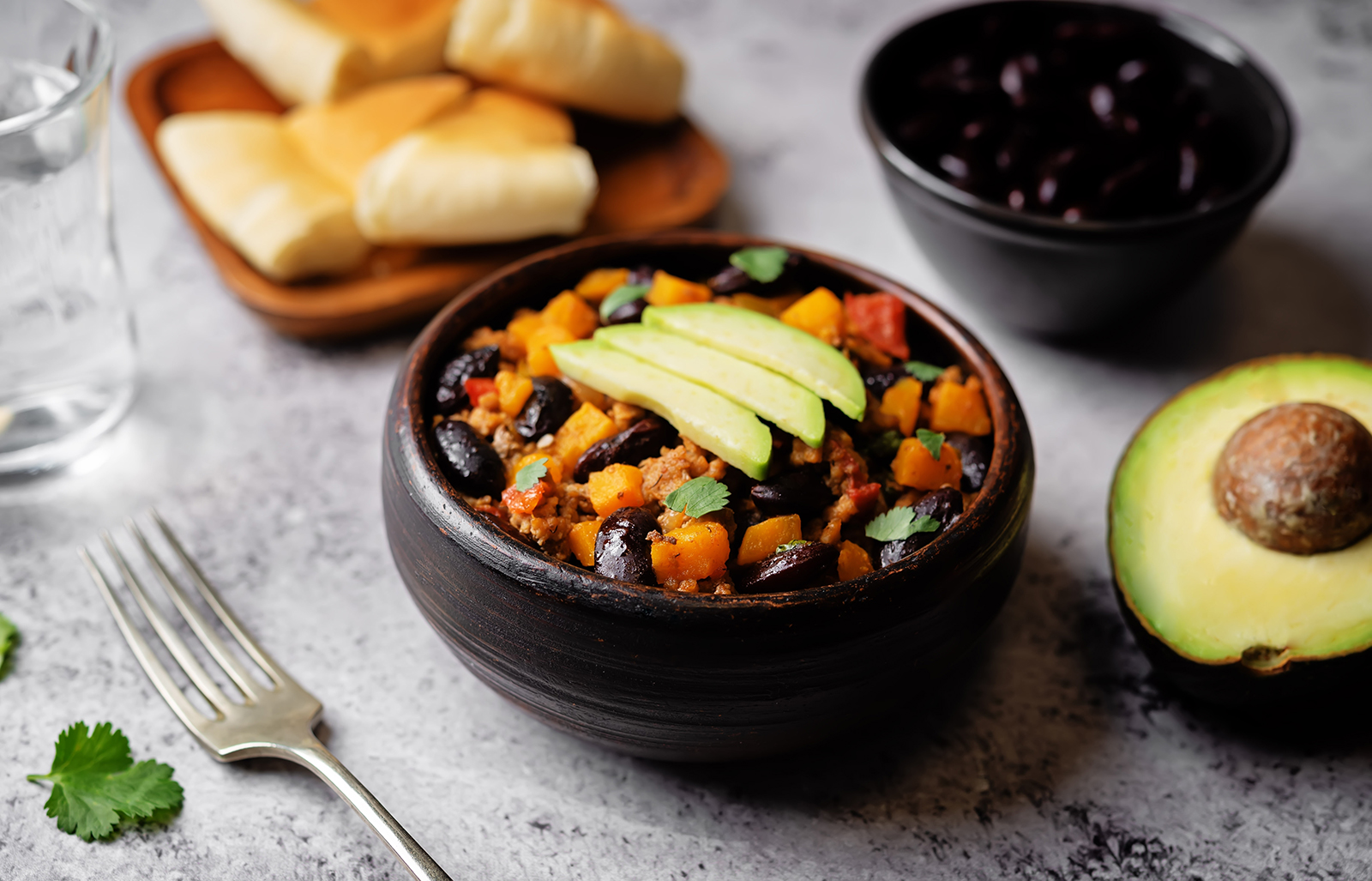
During the menopause transition, quality counts more than ever. You still need some saturated fat, but keep it under 10% of your total daily fat intake. Focus on adding healthy polyunsaturated and monounsaturated fatty acids from sources like olive oil, avocados, nuts, seeds, and fatty fish.
Aim for 30% of your daily calories from fats — roughly 50–70 grams a day for someone eating 2,000 calories. To find that number, multiply your calorie goals by .30, then divide that number by 9.
Related: How Much Dietary Fat Do We Need?
Reframing Menopause: Power, Not Decline
It’s not always easy to accept the changes that come with menopause, especially when so much of what we see in the media and diet culture paints it as something to hide or feel ashamed of. The hot flashes, the mood shifts, the changes in weight and hair growth — none of it makes you less vibrant or capable. It’s time to break the stigma and start seeing menopause for what it really is: a natural, powerful transition that deserves understanding, not embarrassment.
Menopause doesn’t signal decline — it signals evolution. The more openly we talk about it, share our experiences, and support one another, the stronger we all become. Pairing good nutrition with consistent strength training not only supports your hormones but helps you stay active, resilient, and confident for decades to come.
This stage of life is the beginning of a new chapter of strength, wisdom, and vitality. With the right tools and mindset, you can move through menopause feeling empowered, not diminished — and ready to thrive in the next phase of your life.
Stay Strong For Life With MPC
Feeling inspired to take charge of your health? My Peak Challenge gives you the structure, support, and community to help you feel strong for life — through every stage of it.