
For decades, we were told fat was the enemy. Low-fat yogurt, fat-free cookies, oil-free everything—if you lived through the ’80s or ’90s, you probably absorbed the message that eating fat would make you fat.
But here’s the truth: dietary fat isn’t the villain. In fact, it’s essential—especially for women. From hormone balance and brain health to vitamin absorption and long-lasting energy, fat plays a vital role in how your body functions and feels.
Still, the question remains: How much fat do we actually need? And are certain kinds better than others?
Here we’re cutting through the confusion to help you understand how dietary fat supports your health at every stage of life—and how to include it in your meals in a way that feels nourishing, not overwhelming. Whether you’re 25 or 75, just starting your wellness journey or deep in it, knowing how to fuel your body with the right fats can be a game-changer.
When we talk about “fat,” we’re not just talking about what’s on our plates—we’re talking about what’s essential for your body to function. The right kinds of fat fuel your brain, power your workouts, and even help keep your skin glowing. But not all fats are created equal, and understanding their role in your body is the first step in making informed choices about what you eat.
Related: Are You Getting Enough Protein?
The Role of Dietary Fat in the Body
Dietary fat often gets overshadowed by protein and carbs, but it’s one of the three primary macronutrients your body needs every day—and it does a lot of behind-the-scenes work.
Here’s what fat does for you:
- Supports hormone production: Fat is a building block for key hormones, including estrogen and progesterone. A diet too low in fat can disrupt your menstrual cycle, mood, and metabolism—especially during perimenopause and menopause.
- Boosts brain health: Your brain is about 60% fat, and it relies on dietary fat (especially omega-3s) to maintain memory, mood, and cognitive function.
- Helps absorb vitamins: Some of the most important vitamins—A, D, E, and K—are fat-soluble, meaning they can only be absorbed when eaten with fat. Without enough dietary fat, your body can’t make full use of these nutrients.
- Provides long-lasting energy: Unlike carbs, which burn quickly, fat is a slow-burning fuel source that helps stabilize blood sugar and keep you feeling full longer.
- Protects your organs and keeps you warm: Fat acts as a cushion and insulation for your body, supporting overall resilience and comfort, especially as we age.
In short, fat doesn’t just belong in your diet—it’s essential to feeling strong, focused, and well-fueled.
Related: Why The Mediterranean Diet Is the Smartest Way to Eat
Not All Fats Are Created Equal: The Types of Fat Explained
Now that we know fat is essential, it’s important to understand that not all fats are the same. Some support your health in powerful ways, while others can do more harm than good. Knowing the difference can help you make smarter choices for your energy, hormones, and heart.
Let’s start with the healthiest fats—those you’ll want to include regularly in your diet.
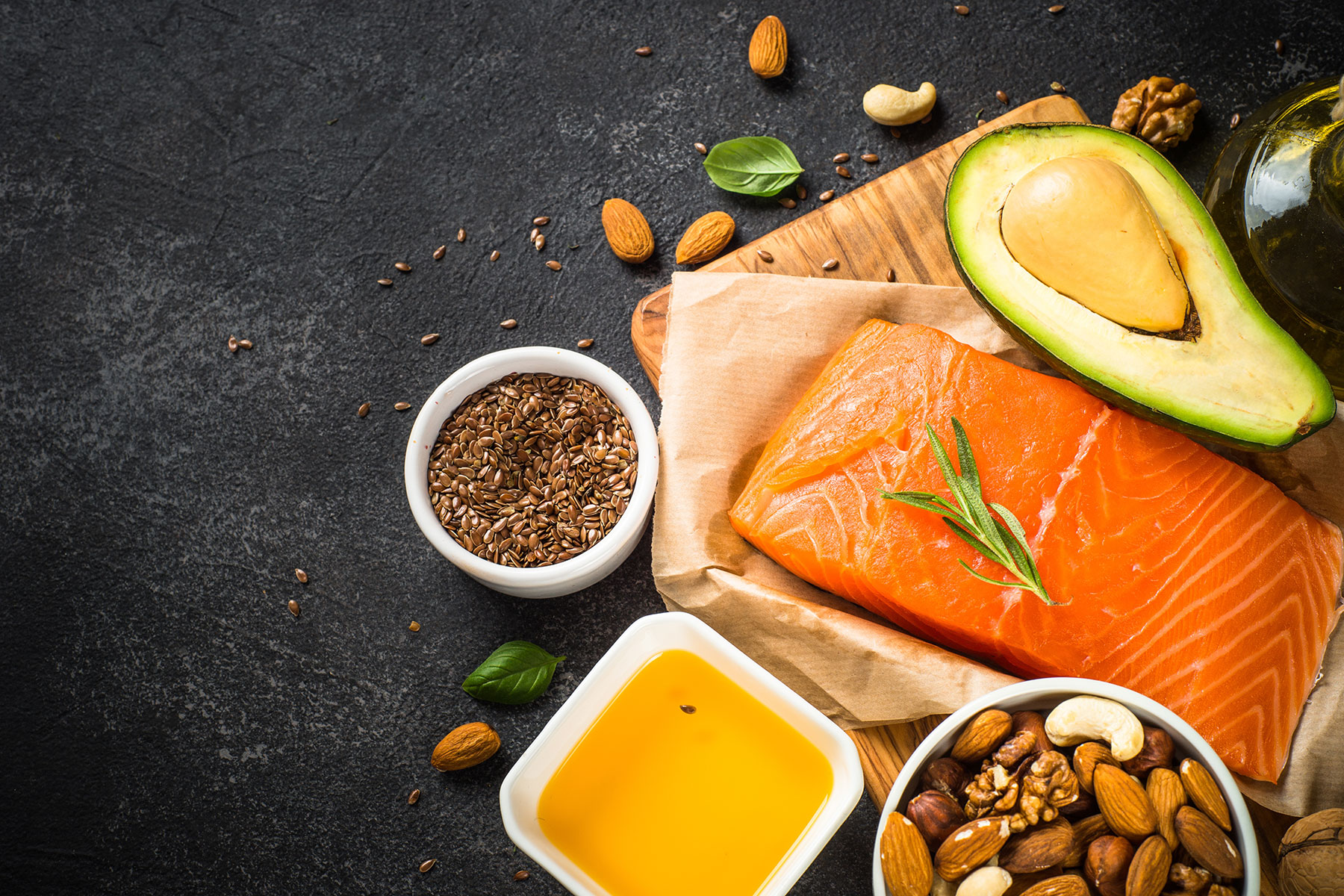
Monounsaturated fats, found in foods like olive oil, avocados, almonds, cashews, and seeds, are well-known for their heart-protective benefits. They help reduce LDL (or “bad”) cholesterol and may improve overall cardiovascular health. Similarly, polyunsaturated fats—like those in fatty fish (such as salmon and sardines), walnuts, flaxseeds, and sunflower seeds—offer essential fatty acids your body can’t produce on its own. These include omega-3s and omega-6s, which play a key role in reducing inflammation, supporting brain function, and aiding in hormone production.
Omega-3 fatty acids deserve special attention, especially for women navigating perimenopause and postmenopause. These fats, found in chia seeds, flaxseeds, walnuts, and oily fish, are known for their anti-inflammatory properties and their ability to support mood, memory, and cardiovascular health. Including them a few times a week can make a noticeable difference in how you feel.
Next are saturated fats, which are best enjoyed in moderation. These are found in foods like coconut oil, butter, whole dairy products, and fattier cuts of meat. While recent studies suggest they may not be as harmful as once believed, consuming too much saturated fat can raise LDL cholesterol in some individuals. The key here is quality—opting for grass-fed or whole-food sources over highly processed options can help you strike a healthy balance.
Finally, there are trans fats—the kind you’ll want to limit or avoid altogether. These fats are often found in partially hydrogenated oils, which still appear in some processed snacks, fried foods, and baked goods, despite being largely banned in the U.S. Trans fats are linked to an increased risk of heart disease, as they raise LDL cholesterol, lower HDL (good) cholesterol, and promote inflammation. Always check ingredient labels to steer clear of these hidden troublemakers.
In short, the goal isn’t to fear fat—it’s to choose the kinds that nourish your body and support your long-term health.
Related: How to Increase Your Fiber Intake
How Much Fat Do Women Actually Need?
So, what does that balance look like in terms of what you see on the nutrition label? For someone following a 2,000-calorie diet, the general recommendation is to get 20–35% of daily calories from fat—meaning at least 44 grams per day. Eating too little fat, especially certain “healthy” fats like omega-3s, can negatively impact your brain, hormones, and energy.
In fact, a 2022 systematic review found that omega-3 polyunsaturated fatty acids play a key role in cognitive function, mood regulation, and overall brain health. This is especially important for women navigating perimenopause and postmenopause, when hormonal shifts can affect memory, focus, and emotional well-being. Omega-3s—found in chia seeds, flaxseeds, walnuts, and oily fish like salmon—also have powerful anti-inflammatory benefits and support cardiovascular health. Including them in your diet a few times a week can make a noticeable difference in how you feel.
Tailoring Fat Intake to Your Life Stage
- Your body’s needs change throughout your life—and so should your approach to fat. For premenopausal women, healthy fats are essential for supporting regular menstrual cycles, fertility, and mood stability. They also aid in the absorption of fat-soluble vitamins like A, D, E, and K, which are especially important during the reproductive years.
- As women enter perimenopause and menopause, shifting hormone levels make fat even more important. Omega-3s and monounsaturated fats can help regulate hormonal fluctuations, reduce inflammation, and support both brain and bone health. These fats also play a role in easing common symptoms like brain fog, dry skin, and mood changes.
- For active and athletic women, dietary fat acts as a vital fuel source. It supports stamina, speeds up recovery, cushions joints, and helps maintain overall energy balance—particularly during extended or high-intensity activity. Regardless of your stage of life, the right kinds of fat can make a meaningful difference in how you feel and function day to day.
Myth Busting: Fat ≠ Weight Gain
It’s a common myth that eating fat makes you gain fat—but the truth is more nuanced. Weight gain occurs when there’s a consistent calorie surplus, not simply from eating fat. In fact, healthy fats can promote satiety and blood sugar balance, helping you feel full longer and making it easier to maintain or lose weight in a sustainable way.
Sneaky Signs You Might Not Be Getting Enough Fat
While low-fat diets were once trendy, cutting back too far can have unintended consequences, especially for women. Fat is essential for everything from hormone production to brain function. If your intake is too low, your body may start sending signals.
Here are some common signs that you might not be getting enough:
- Dry Skin, Brittle Hair or Nails: Healthy fats help maintain skin elasticity and support the structure of hair and nails. Without enough, your skin may feel dry or flaky, and your hair might become dull or prone to breakage.
- Joint Pain: Omega-3 fatty acids—found in foods like salmon, walnuts, flaxseed, and tuna—help maintain cell structure and reduce joint inflammation. Without enough, joints may feel stiff or achy due to increased inflammation and reduced lubrication.
- Brain Fog or Trouble Concentrating: Your brain is nearly 60% fat—and it needs dietary fat (especially omega-3s) to function properly. Struggling with focus, memory, or clarity? Low fat intake could be a contributing factor.
- Hormonal Imbalances or Irregular Periods: Fats are critical for hormone production. Not getting enough can disrupt your menstrual cycle, impact fertility, and worsen perimenopausal symptoms.
Constant Hunger or Sugar Cravings: Fat slows digestion and keeps you full longer. If you’re always hungry or find yourself reaching for quick sugar fixes, it may be a sign your meals need more healthy fat. - Deficiencies in Fat-Soluble Vitamins (A, D, E, K): These vitamins need fat to be absorbed. Without enough, your body may struggle to utilize them, even if you’re eating nutrient-rich foods or taking supplements.
If any of these symptoms sound familiar, it might be time to reassess your fat intake and make some small adjustments to better support your health.
Smart Sources of Healthy Fats
Not all fats are created equal, and when it comes to supporting women’s health, the type of fat you eat matters just as much as how much. Prioritizing nutrient-rich, minimally processed fats can help balance hormones, improve brain function, and keep your energy steady throughout the day.
Here are some of the best options to include in your daily meals:
- Avocados: A rich source of monounsaturated fats, fiber, and potassium. Great on toast, in smoothies, or chopped into salads.
- Fatty Fish (like salmon, sardines, or mackerel): Packed with omega-3 fatty acids that support heart, brain, and joint health. Aim for 2 servings per week.
- Nuts & Seeds (almonds, walnuts, chia, flax): Offer a mix of healthy fats, plant-based protein, and antioxidants. Sprinkle on oatmeal or yogurt, or enjoy as a snack.
- Olives & Extra Virgin Olive Oil: A Mediterranean diet staple, olive oil is rich in anti-inflammatory compounds. Drizzle over roasted veggies or use in salad dressings.
- Eggs (especially with the yolk): Egg yolks contain essential fats, choline, and fat-soluble vitamins. They’re also incredibly versatile for any meal of the day.
- Nut Butters & Tahini: These add creaminess and satisfying fats to smoothies, sauces, or snacks. Just choose versions with no added sugars or hydrogenated oils.
- Grass-Fed or Pasture-Raised Animal Fats (like butter, ghee, and tallow): When sourced well, these traditional fats can be part of a balanced diet and provide vitamins like A, D, and K2.
The key is balance: mix and match these sources across meals to ensure you’re getting a variety of fats and nutrients. And if you’re coming off years of low-fat dieting, know that reintroducing fats doesn’t have to be scary—your body will thank you.
FAQs and Common Misconceptions
“Won’t eating fat make me gain weight?
Not necessarily. Weight gain comes from consistently consuming more calories than your body needs, not from fat alone. In fact, dietary fat is more satiating than carbohydrates, meaning it can help you feel fuller longer and prevent overeating. Including the right types of fat in your meals can actually support appetite regulation and sustainable weight management.
“Isn’t low-fat better for my heart?”
The low-fat craze of the ’80s and ’90s painted all fats with the same brush, but modern research has shown that healthy fats—like those from fish, nuts, olive oil, and avocado—can support cardiovascular health. It’s the processed, inflammatory fats (like trans fats and excessive omega-6 oils from ultra-processed foods) that contribute to heart disease risk.
“Can I eat fat and still hit my goals?”
Absolutely. Whether your goals are to build strength, balance hormones, improve focus, or simply feel better in your body, healthy fats are essential. They play a key role in nutrient absorption, cellular function, and recovery. Just be mindful of portion sizes—fat is calorie-dense, so aim for balance alongside protein, fiber, and complex carbs.
“Is keto the answer?”
Keto can work for some people, but it’s not necessary—or ideal—for everyone. A moderate-fat, nutrient-dense approach is often more sustainable and balanced, especially for women whose hormone health can be affected by very low-carb diets. You can reap the benefits of healthy fats without going full keto.
Fat Isn’t the Enemy—It’s Fuel
For too long, dietary fat has been unfairly blamed for everything from weight gain to heart disease. But the truth is, fat is essential, especially for women. From supporting hormones and brain health to helping your body absorb vital nutrients, fat plays a starring role in how we feel and function every day.
As you move through different life stages, tuning into your body’s needs becomes more important than ever. If you’ve been avoiding fat out of habit or misinformation, now’s the time to shift your perspective. Try adding more healthy fats to your meals and notice how your energy, mood, and cravings respond.
This isn’t about perfection—it’s about empowerment. Start small. Choose olive oil over canola. Add a few slices of avocado to your lunch. Sprinkle nuts or seeds on your salad. These little changes add up to big benefits.
Fat isn’t something to fear. It’s fuel—fuel for strength, focus, and thriving at every age.
Fuel Your Goals
Explore our collection of delicious recipes designed to nourish your body, support hormone health, and help you feel your best at every age.