

You’ve likely heard the advice to eat more fiber, but are you actually following through? Research shows that a staggering 95% of Americans aren’t getting enough. While dietary guidelines recommend at least 25 grams for women and 38 grams for men, the average American only consumes about 14 or 15 grams.
There are a few reasons behind this fiber shortfall. Many people focus heavily on protein, which can lead to fewer vegetables on their plates. Additionally, there’s often confusion about where fiber comes from. It’s important to remember that meat, eggs, and dairy don’t contain any fiber – plants are the true source of this essential nutrient.
Why Is Fiber Important For Your Health?
Fiber offers numerous health benefits, including supporting weight loss, reducing cholesterol and blood sugar levels, and lowering the risk of cardiovascular diseases like stroke and heart disease. It also plays a role in reducing the risk of diabetes, improving digestive and bowel health, and nourishing healthy gut bacteria. Some studies even suggest that fiber might help lower the risk of colorectal and breast cancer.
Dietary fiber refers to the parts of plants and other foods that your body can’t digest. It passes through your system relatively intact, aiding in digestion and preventing constipation. Remember, it’s crucial to consume a variety of fiber-rich foods instead of relying on a single source to reap its full benefits.
Related: How to Fuel For Your Workout
Types of Fiber
Fiber, a complex carbohydrate found in plants, can be classified into three main types: soluble, insoluble, and fermented.
- Soluble fiber dissolves in water and slows down digestion. It can help lower your cholesterol and blood sugar levels.
- Insoluble fiber doesn’t dissolve in water, and it adds bulk to stool and passes through your system more quickly. Basically, it helps keep you regular and prevents constipation.
- Fermentable fiber can come from either of the previous two categories, although it is more often soluble fiber. Fermented fiber helps increase the healthy bacteria in your colon.
How to Increase Your Fiber Intake
If you haven’t been eating enough fiber, it’s wise to gradually increase your intake to avoid upsetting your digestive system. Start with small amounts and slowly increase them over time. The Mayo Clinic also recommends the following tips:
- Check labels: When buying packaged foods, check the Nutritional Facts label for fiber content. It can vary among brands.
- Drink fluids: As you eat more fiber, remember to drink plenty of fluids. Some fibers work best when they absorb water, so being well hydrated can help prevent uncomfortable bowel movements.
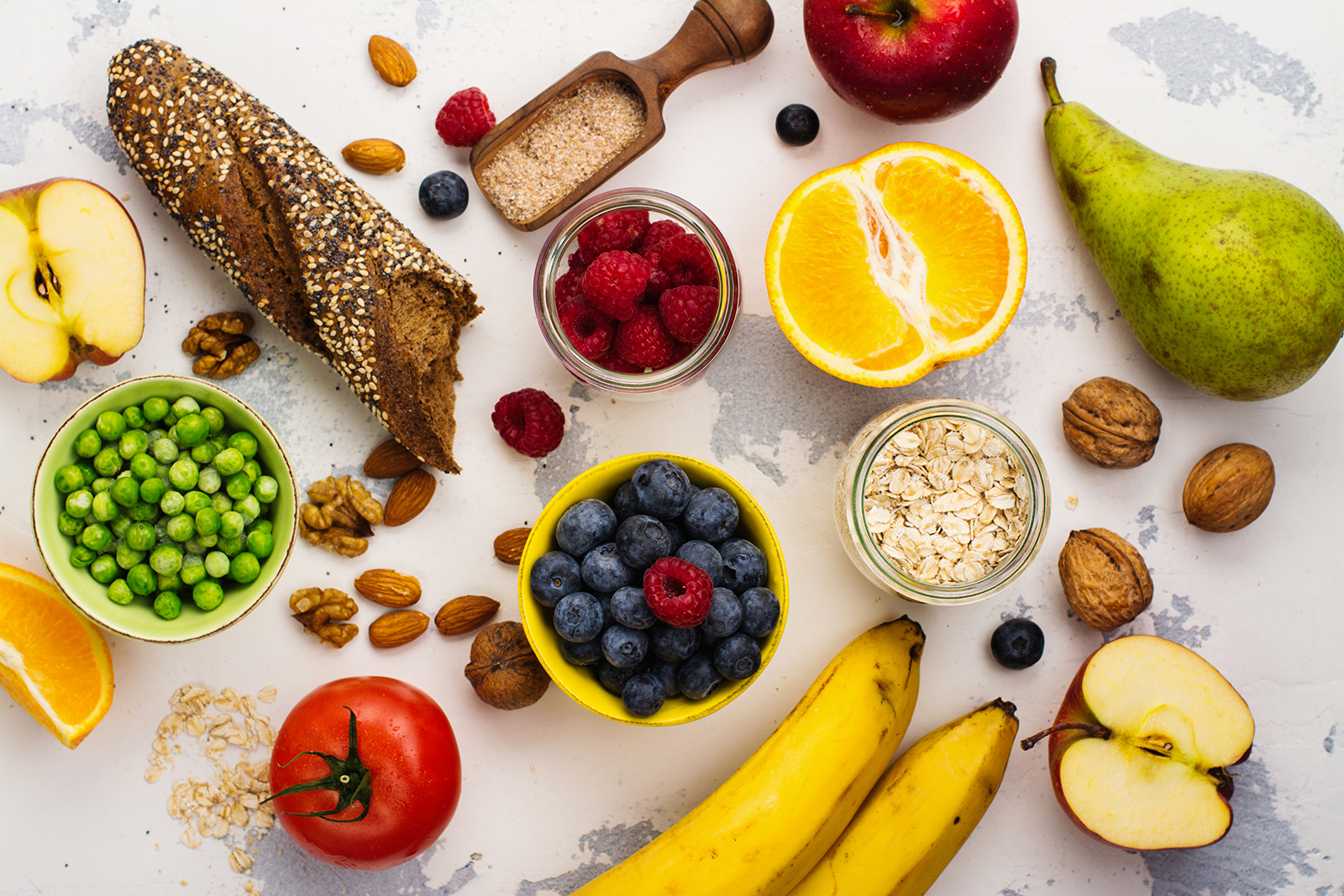
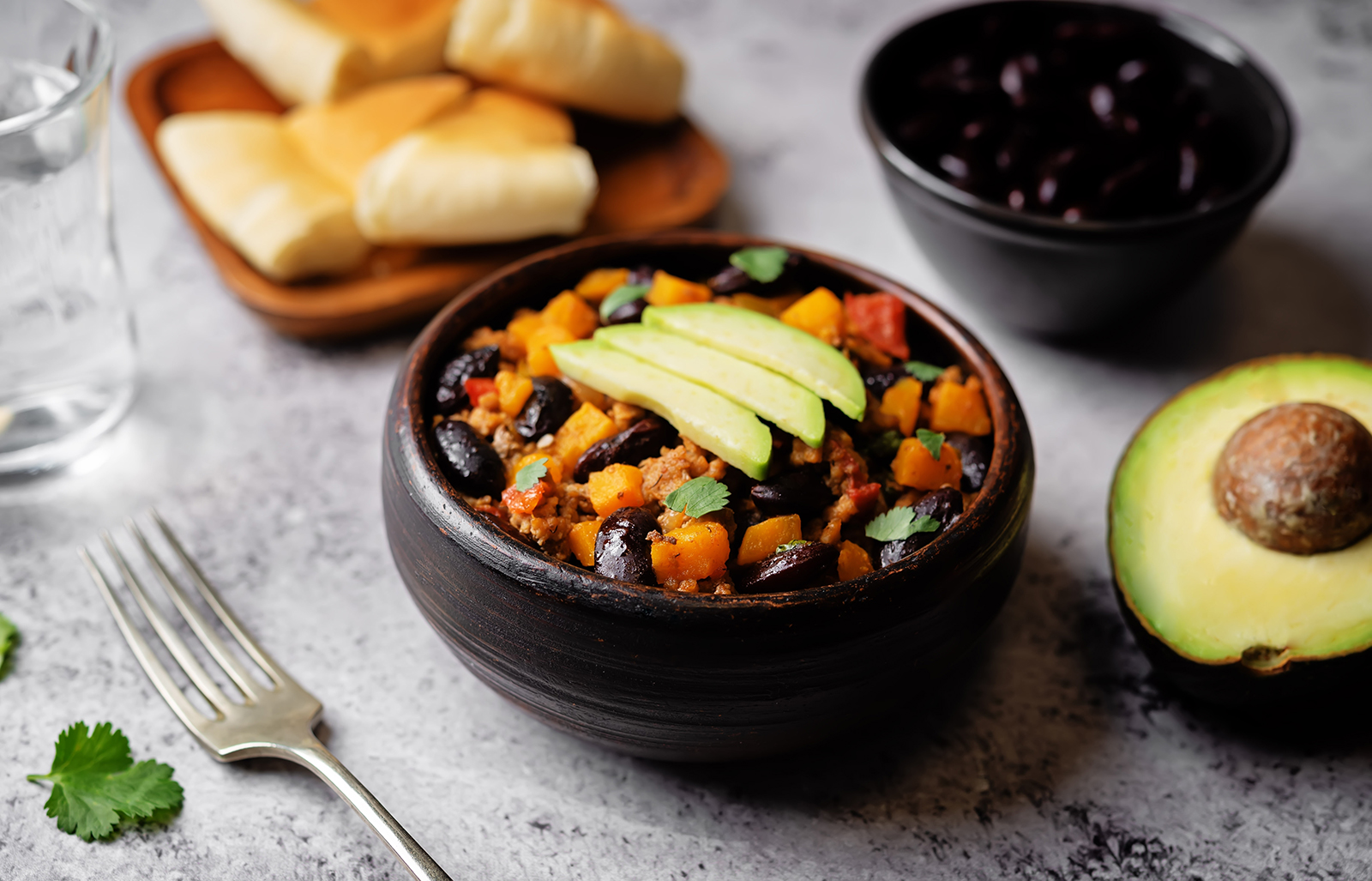
If you’re looking to boost your fiber intake, there are plenty of delicious choices! Fruits, vegetables, grains, beans, peas, and lentils can all help you meet your daily fiber goals.
| Fruits | Serving Size | Total Fiber |
| Raspberries | 1 cup (123 grams) | 8 grams |
| Pear | 1 medium (178 grams) | 5.5 grams |
| Apple (with skin) | 1 medium (182 grams) | 4.5 grams |
| Banana | 1 medium (118 grams) | 3 grams |
| Strawberries | 1 cup (144 grams) | 3 grams |
| Vegetables | Serving Size | Total Fiber |
| Broccoli (boiled) | 1 cup, chopped (156 grams) | 5 grams |
| Brussels Sprouts (boiled) | 1 cup (156 grams) | 4.5 grams |
| Potato (baked with skin) | 1 medium (173 grams) | 4 grams |
| Cauliflower (raw) | 1 cup, chopped (107 grams) | 2 grams |
| Grains | Serving Size | Total Fiber |
| Spaghetti (whole wheat, cooked) | 1 cup (151 grams) | 6 grams |
| Barley (pearled, cooked) | 1 cup (157 grams) | 6 grams |
| Quinoa (cooked) | 1 cup (185 grams) | 5 grams |
| Oat Bran Muffin | 1 medium (113 grams) | 5 grams |
| Brown Rice (cooked) | 1 cup (195 grams) | 3.5 grams |
| Bread (whole wheat) | 1 slice (32 grams) | 2 grams |
| Legumes, Nuts, Seeds | Serving Size | Total Fiber |
| Lentils (boiled) | 1 cup (196 grams) | 16 grams |
| Black Beans (boiled) | 1 cup (172 grams) | 15 grams |
| Chia Seeds | 1 ounce (28.35 grams) | 10 grams |
| Almonds | 1 ounce, about 23 nuts (28.35 grams) | 3.5 grams |
Unlock the Basics of Nutrition
If you want to learn more about fiber, My Peak Challenge nutritionists will guide you in our Nutrition Basics Series.