
Do you want to improve your workouts and see better results? Well, guess what? It’s not just about sweat and effort; it’s also about what you fuel your body with beforehand. That’s where pre-workout nutrition comes in.
Pre-workout nutrition is all about giving your body the right nutrients before you hit the gym, track, or studio. Think of it like fueling up your car before a road trip. The right fuel can help you go farther and faster and have more energy along the way. The same goes for your body.
By eating the right foods before you exercise, you’re not only setting yourself up for a stronger performance but also helping your muscles recover faster afterward.
Here’s what you need to know.
Related: What Happens When You Don’t Eat Enough
Fuel Your Fitness
Okay, so we know that fueling your body before a workout is important, but what does that actually mean? It’s not just about eating anything; it’s about eating the right things. Each type of fuel your body uses — carbs, protein, and fats — plays a unique role in how well you perform.
Think of it like this: carbs are your quick energy source, protein helps build and repair muscles, and fats give you long-lasting energy. But here’s the thing: everyone’s body is different, and the perfect combo of these nutrients depends on what kind of workout you’re doing.
Carbohydrates
Think of carbs as the fuel that powers your muscles when you exercise. Your body cleverly turns those carbs into something called glycogen, which is stored in your liver and muscles for later use.
When you’re doing quick, intense bursts of exercise, glycogen provides the immediate fuel your muscles need to keep going. But what about longer workouts? The amount of carbs your muscles use depends on a few things: how intense you’re working, what kind of exercise you’re doing, and what your overall diet is like.
Your glycogen stores aren’t unlimited. When you run out, your performance starts to suffer. You might feel tired, sluggish, and not as strong as you were at the beginning of your workout. That’s why it’s important to make sure you’re giving your body enough carbs to replenish those glycogen stores. Studies have shown time and time again that carbs are essential for topping up those glycogen reserves and keeping your muscles running smoothly during exercise.
Protein
Protein isn’t just for post-workout recovery. Eating protein before you hit the gym can actually give your workout a serious boost. How? Well, it’s all about muscle protein synthesis, which is how your body builds and repairs muscle.
Having some protein (either on its own or paired with carbs) before exercise can give your muscles a head start in the repair department. This is important because the better your muscles can recover, the stronger they become, and the better you perform overall. In fact, one study even found that folks who had a whey protein shake before working out experienced increased muscle growth compared to those who didn’t.
Protein before a workout has been linked to all sorts of other benefits, too, like packing on muscle, recovering faster, getting stronger, and even improving your body composition (that’s more muscle, less fat!).
Fat
Think of fat as your body’s long-distance fuel source. When you exercise for a longer period or keep the intensity moderate, your body taps into its fat stores for energy. It’s like having a reserve tank to keep you going.
Some studies have examined how eating more fat in general might affect athletic performance. However, these studies looked at diets with high fat over a long time, not just eating fat right before a workout.
One interesting thing they found was that a low-carb, high-fat diet, combined with those super intense interval workouts (HIIT), can actually help you burn more fat and get more oxygen to your muscles.
But remember, everyone’s body is different, and what works for one person might not work for another. The key is to experiment and find what feels best for you.
It’s About Time
When you eat before a workout can be just as important as what you eat. Ideally, you want to give your body about 2 to 3 hours to digest a full meal before you start sweating. This means a meal with all the good stuff: carbs for energy, protein for muscle repair, and some healthy fats to keep you feeling full. This is especially key for those longer workouts since research suggests that pre-workout meals don’t really affect shorter workouts (those under an hour).
But sometimes, squeezing in a big meal a few hours before a workout just isn’t realistic. You can still fuel up effectively; just adjust what and when you eat. If you’re eating closer to your workout (like 45 to 60 minutes before), keep it light and easy to digest. Focus on carbs for quick energy, with a bit of protein thrown in. This will help you avoid that dreaded stomach-sloshing feeling during your workout.
What to Eat Before You Workout
So, what exactly should you eat before your workout? There is no one-size-fits-all answer. The type of workout you’re doing, how long it’ll last, and how hard you’ll be pushing yourself all play a role in what and how much you should eat.
But here’s a good general guideline: aim for a mix of carbs and protein before you hit the gym. Carbs give you that quick energy boost, while protein helps your muscles get ready for the work they’re about to do.
To get you started, here are some examples of balanced pre-workout meals that hit that sweet spot of carbs and protein:
If your workout starts within 2 to 3 hours or more:
- Sandwich on whole-grain bread, lean protein like turkey
- Egg omelet and whole-grain toast topped with avocado spread
- Lean protein, brown rice, roasted vegetables
If your workout starts within 60 minutes or less:
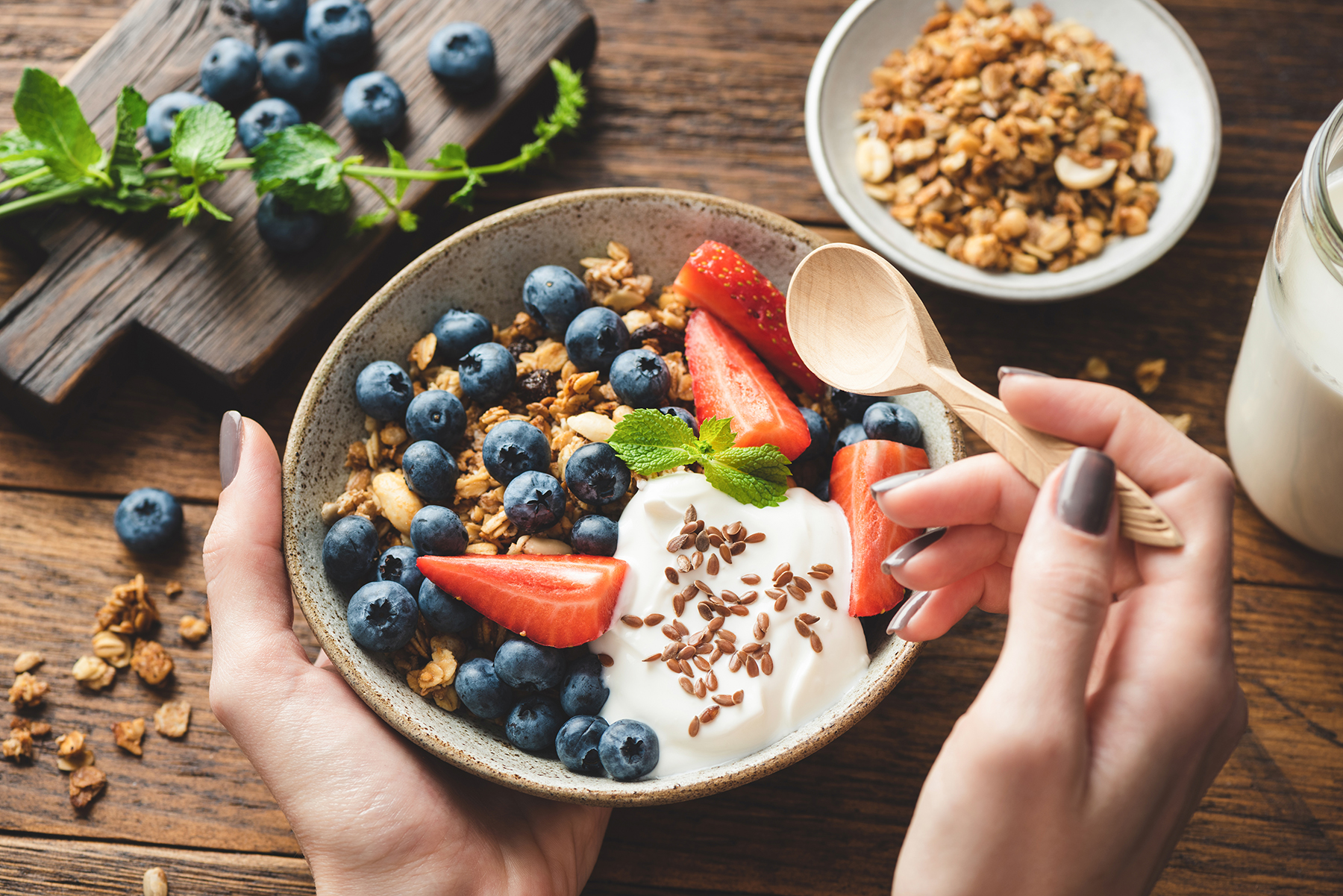
- Greek yogurt topped with fruit and granola
- High-protein nutrition bar
- Fruit, such as banana, apple, or an orange
Related: What to Eat After Your Workout
Drink Up
Remember water. Staying hydrated is a game-changer in your workouts. Time and time again, it’s been proven that drinking enough water can actually help you perform better, while dehydration can hinder your progress.
So, what’s the secret to staying hydrated before you hit the gym? It’s not just about chugging water – you also need to make sure you’re getting enough sodium. This dynamic duo helps your body maintain its fluid balance, which is crucial for optimal performance.
The experts at the American College of Sports Medicine (ACSM) recommend sipping on fluids at least four hours before you exercise. If you’re not peeing much or your pee is dark and concentrated, that’s a sign you need to drink even more, about two hours before you get moving.
They also suggest grabbing a snack or drink that contains some sodium. This helps your body hold onto the fluids you’re drinking, keeping you hydrated throughout your workout. Think of it as giving your hydration a little extra staying power.
Related: Are You Drinking Enough Water?
Unlock the Secrets of Eating for Performance
If you want to learn more about nutrition, My Peak Challenge nutritionists will guide you in our Nutrition Basics series.