
By Maureen Farrar
Ever notice runners and athletes toting around giant water bottles, electrolyte tabs, and all sorts of fancy drinks? It makes you wonder if staying hydrated is different for someone who hits the gym every day versus someone with a more relaxed routine.
The answer is yes; hydration needs can vary depending on your activity level. But there’s no magic one-size-fits-all formula. These guidelines consider factors like your activity level and individual needs. After all, what works for a marathoner won’t be the same for someone lifting weights for 30 minutes. Here’s what you need to know about staying hydrated, including when to drink and how to figure out your own personal fluid needs.
Why Hydration Matters
Your body is a complex machine. It needs a crucial ingredient—water- to run smoothly and efficiently. Water comprises 60% of your body and plays a starring role in almost every bodily function.
Imagine tiny highways within your body. Water acts as the traffic controller, transporting essential nutrients like vitamins and blood sugar to your cells, providing them with the fuel they need to function and repair themselves. At the same time, water acts as a waste disposal system, flushing away the byproducts of these cellular processes to keep everything running clean.
But water’s benefits extend beyond simple hydration. Believe it or not, it can even influence your weight management goals. When you’re dehydrated, your entire system slows down, and your cells struggle to utilize blood sugar for energy. This unused sugar gets stored as fat, hindering your weight loss efforts. Staying hydrated can help your body function optimally and potentially support your metabolic processes.
Water’s influence extends even further, regulating your body temperature and aiding in digestion, absorption, and circulation.
It’s definitely in your best interest to drink plenty of water throughout the day, every day, whether you’re working out or not. The question is, how much do you need?
How Much Water Do I Need?
Health experts used to recommend drinking eight 8-ounce glasses of water (or 2 liters) a day. It was an easy number to remember, but it wasn’t ideal for everyone. Now, some experts believe you should sip on water throughout the day, regardless of whether or not you’re thirsty. However, getting enough water depends on the food and drinks you consume each day. The ideal amount of water you drink also depends on factors like age, weight, health, and activity level. If you have certain health conditions, such as congestive heart failure or renal disease, or if you’re pregnant or breastfeeding, your fluid needs will be even different.
According to the Academy of Nutrition and Dietetics, the recommended water intake for women is around 11.5 cups/2.72 liters and 15.5 cups/3.67 liters for men. This includes fluids from both food and beverages. Since about 20% of our daily hydration comes from food, women typically need around 9 cups/2.13 liters of fluids per day, while men should aim for about 13 cups/3.07 liters to replenish lost fluids.
As a general rule, the Mayo Clinic suggests calculating your minimum intake this way: Divide your weight (in pounds) by 2, and that is the minimum number of ounces you should drink each day if you are not exercising.
For example: 150 lb ➗ 2 = 75 ounces
But what if you’re working out? Staying hydrated during your workout is crucial for peak performance. Studies have shown that even mild dehydration, as little as 2%, can significantly hinder your endurance in activities like running and cycling. But it’s not just about long-distance efforts – dehydration also affects anaerobic exercise like weightlifting, plyometrics, and HIIT, making those intense bursts of energy much harder to sustain.
The recommended water intake for women is around 11.5 cups (2.72 liters) and 15.5 cups (3.67 liters) for men
The American College of Sports Medicine (ACSM) recommends drinking more water before, during, and after a workout. While factors like intensity, weather, and how much sweat you lose come into play, ACSM suggests that you consider drinking 16 to 20 ounces (473 ml to 591 ml) of water 4 hours before exercise, and during exercise, drink according to how thirsty you are. Ideally, after your workout, you should drink another 16 to 20 ounces (473 ml to 591 ml) to replenish what you lost through sweat.
Signs of Dehydration and Overhydration
Water is life’s essential element, but even good things need balance. While dehydration can cause a host of problems, overhydration can also be risky. Fortunately, your body is adept at balancing its water levels and signals when it’s time to drink more.
While feeling thirsty is a sign you need to hydrate, waiting until you feel parched might not be the best strategy for overall health or peak performance. By the time thirst kicks in, you might already be experiencing the adverse effects of dehydration, like fatigue or headaches.
Instead of waiting for thirst, keep an eye on your urine color. Aim for pale, clear urine as a reliable indicator that you’re drinking enough water throughout the day.
Here are some other signs of dehydration to look out for:
- Extreme thirst
- Less frequent urination
- Dark-colored urine
- Fatigue
- Dizziness
- Confusion
While rare, overhydration happens when you consume more water than your kidneys can process and eliminate. This is most common among endurance athletes like marathon runners or triathletes who overhydrate during intense activity. For those without underlying health issues, athletes are the most susceptible to overhydration.
The symptoms of overhydration may not be obvious in the early stages, so how do you know if you’re overhydrated? Look for the following signs:
- Your urine is colorless. While clear urine isn’t always a sign something is wrong, ideally, it should be pale yellow or transparent
- Muscle cramps
- Headache
- Confusion or disorientation
- Drowsiness
Tips for Staying Hydrated

The best way to stay hydrated is to prevent becoming hydrated. Follow these tips to stay healthy, especially when temperatures — or your activity levels — increase.
- Don’t wait until you’re thirsty to drink: If you’re feeling thirsty, it’s a sign you’re already a bit dehydrated. To stay ahead of the game, sip water consistently throughout the day. Bump up your intake when it’s hot, or you’re active.
- Set a reminder. If you need a nudge to stay hydrated, set reminders on your phone throughout the day. Ask Alexa or Google to remind you or download apps that track your intake.
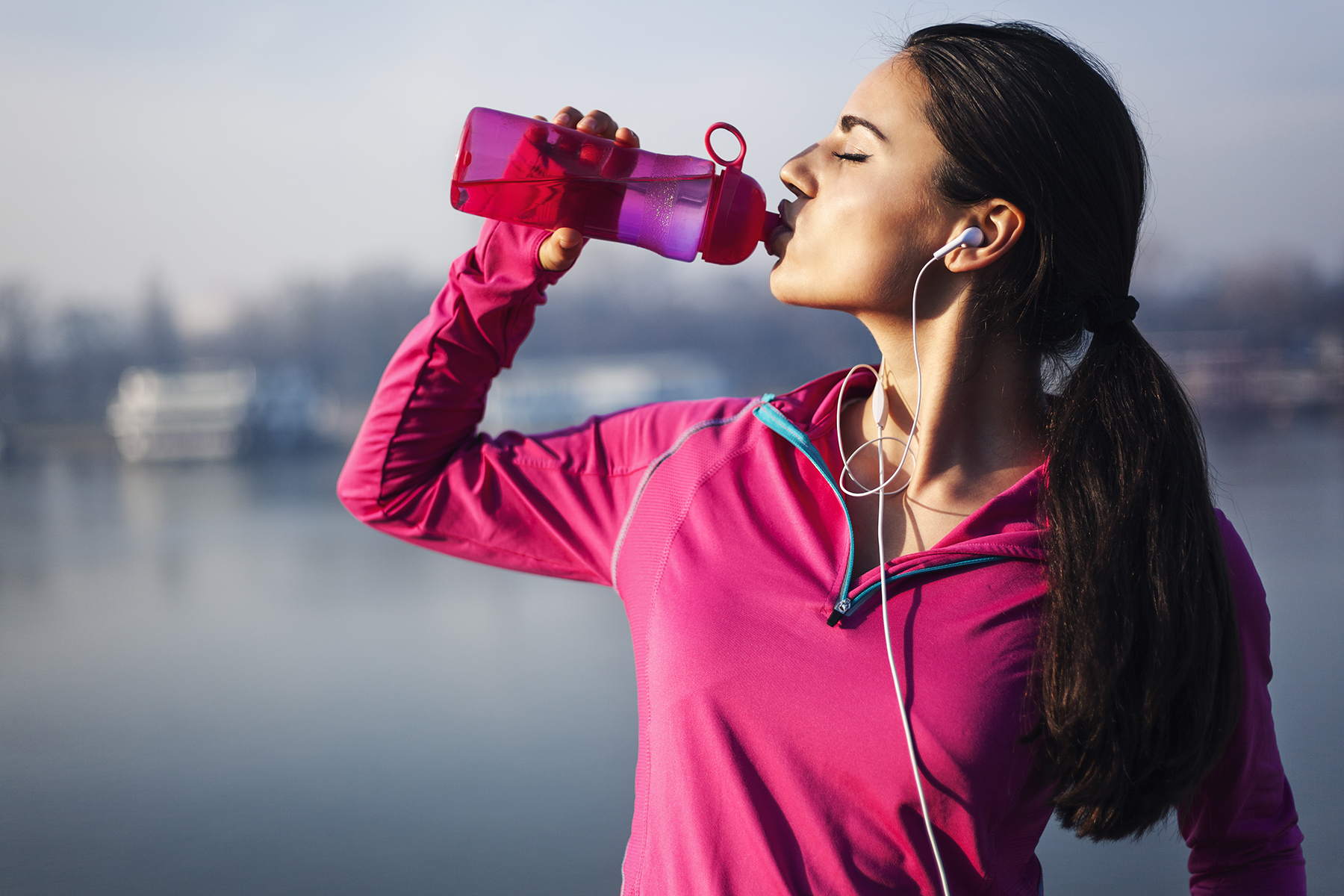
- Invest in a good water bottle. A good water bottle can be a visual reminder to drink more water throughout the day. Some bottles have marked measurements for tracking intake or have words of encouragement printed on them that you can see as water levels go down. You can also rep your Peakership with the MPC water bottle.
- Flavor your water: Sometimes, plain water is boring. Add a little flavor with slices of fresh lemon, lime, or orange. Or infuse it with fresh berries, pineapple, or melon. Freezing fruit in ice trays makes a tasty and refreshing ice cube. Mint leaves, basil, ginger, or even rosemary add a little freshness to the water as well.
- Ditch high-sugar drinks. Instead, swap in sparkling or seltzer water for a fizzy upgrade.
Read More: Strong Bones for a Strong You