
By Maureen Farrar
Did you know that women can lose up to 20% of their bone mass in the first few years after menopause? The hormonal changes during this time don’t just bring hot flashes and sleep disruptions—they also weaken bones, increasing the risk of fractures and osteoporosis.
Osteoporosis is more common than you might think. In fact, 1 in 2 women over age 50 will experience a fracture related to bone loss in their lifetime. These fractures aren’t minor inconveniences — they can affect mobility, independence, and overall quality of life, especially as we age.
The good news? Bone loss isn’t inevitable. With the right approach—including strength training, weight-bearing exercise, and key nutrients like calcium and vitamin D—you can protect your bones, build strength, and maintain mobility well into the future.
Here’s what you need to know about menopause, bone health, and the steps you can take to stay strong for years to come.
Understanding Osteoporosis
Osteoporosis, which means “porous bones,” is a condition that makes bones weaker and more prone to fractures. Menopause is one of the biggest risk factors for osteoporosis because hormonal changes accelerate bone loss. As estrogen levels fluctuate and then decline during menopause, the body loses a key protector of bone strength. Estrogen slows bone breakdown, so when levels drop, bones weaken more quickly and become more fragile over time.
One of the most important forms of estrogen, estradiol, plays a role in both bone health and common menopause symptoms like mood swings, hot flashes, night sweats, and vaginal dryness. As menopause progresses and the ovaries stop producing estradiol, the risk of osteoporosis and fractures increases.
Vitamin D and calcium are also essential for maintaining strong bones. Vitamin D helps the body absorb calcium, which is critical for bone formation. Without enough vitamin D, even a calcium-rich diet won’t be fully effective. When calcium levels are too low, bones lose mass and become more fragile, increasing the risk of fractures, especially as estrogen declines.
Bone Density Peaks Earlier Than You Think
Bone density actually peaks in our late 20s to early 30s, which means menopause isn’t the beginning of the story — it’s a turning point. The habits you build now don’t just slow bone loss; they actively influence how resilient your skeleton will be in the decades ahead. Strength training, adequate protein, and nutrient-rich eating aren’t just protective; they’re investments in your future independence.
Other Risk Factors for Bone Loss During Menopause
Menopause may be a major turning point for bone health, but it’s not the only factor that influences your risk. Bone density is shaped by a combination of hormones, genetics, lifestyle habits, and overall health. Understanding these pieces helps you focus on what you can control.
Hormones play an obvious role. As estrogen declines, bone breakdown naturally accelerates. But the rate at which that happens varies from woman to woman. Genetics matter, too. If your mother or grandmother experienced osteoporosis or fractures, your baseline risk may be higher — not because bone loss is inevitable, but because your starting point may be different. Knowing your family history simply gives you more information to act early.
Lifestyle habits are just as important. Bones rely on consistent nourishment and movement to stay strong. Diets low in calcium, vitamin D, magnesium, vitamin K, or protein can gradually weaken bone structure. Protein, in particular, supports both muscle and bone integrity, two systems that work together to protect you as you age.
Movement matters, too. Bones strengthen in response to use. A sedentary lifestyle — especially one without resistance training or weight-bearing activity — can accelerate bone loss. On the other hand, regular strength training and impact loading provide the stimulus bones need to stay resilient.
Certain habits can also work against bone health. Smoking affects estrogen levels and calcium absorption, while excessive alcohol intake can interfere with bone formation and balance, increasing fall risk.
There are also medical factors to consider. Low body weight or rapid weight loss can reduce bone mass, particularly if nutrient intake is inadequate. Some medications — including long-term corticosteroids — and medical conditions such as thyroid disorders or digestive conditions like celiac or Crohn’s disease can affect how your body builds and maintains bone.
Finally, vitamin D deficiency is more common than many realize. Because vitamin D is largely produced through sun exposure, indoor lifestyles, seasonal changes, and consistent sunscreen use can limit production. Without adequate vitamin D, calcium absorption suffers — and bone strength can decline as a result.
The goal isn’t to identify every possible risk factor. It’s to recognize where you have influence — and to take small, consistent steps that support your long-term resilience.
How to Protect Your Bones During and After Menopause
Menopause may speed up bone loss, but the good news is that you can take action to maintain and even strengthen your bones. A combination of proper nutrition, strength-building exercises, and lifestyle habits can help you reduce your risk of osteoporosis and stay strong and mobile for years to come.
Nutrition for Bone Health
What you eat plays a crucial role in maintaining bone density. Your bones need key nutrients to stay strong, repair themselves, and prevent fractures. Here’s what you need to focus on:
1. Calcium: The Foundation of Bone Strength
Calcium is the foundation of strong bones. If you don’t get enough through your diet, your body will pull calcium from your bones to maintain normal function elsewhere — gradually weakening them over time. That’s why consistent intake is so important, especially after menopause when bone loss can accelerate.
Women over 50 should aim for about 1,200 milligrams of calcium per day. Dairy products like milk, yogurt, and cheese are well-known sources, but calcium is also found in leafy greens such as kale and collard greens, as well as almonds, tofu, and fortified plant-based milks. If meeting your needs through food feels challenging, a supplement may be helpful. Just remember that calcium works best alongside adequate vitamin D, which helps your body absorb and use it effectively to support long-term bone strength.
2. Vitamin D: Essential for Calcium Absorption
Even if you’re getting enough calcium, it won’t do much for your bones if you’re low on vitamin D. This nutrient helps your body absorb calcium efficiently and plays a direct role in bone formation and remodeling. Without adequate vitamin D, your body simply can’t use calcium the way it needs to.
Most women over 50 should aim for roughly 600–800 IU of vitamin D daily, though individual needs can vary. A simple blood test can help determine whether your levels are sufficient or if supplementation might be helpful.
Your body naturally produces vitamin D when your skin is exposed to sunlight, and you can also get it from foods like fatty fish (such as salmon and mackerel), egg yolks, and fortified products, including dairy, cereals, and plant-based milks.
If you live in a colder climate, spend much of your time indoors, or regularly use sun protection, a supplement may be necessary to maintain healthy levels and support long-term bone strength.
Related: 4 Benefits of Vitamin D
3. Other Key Nutrients for Bone Strength
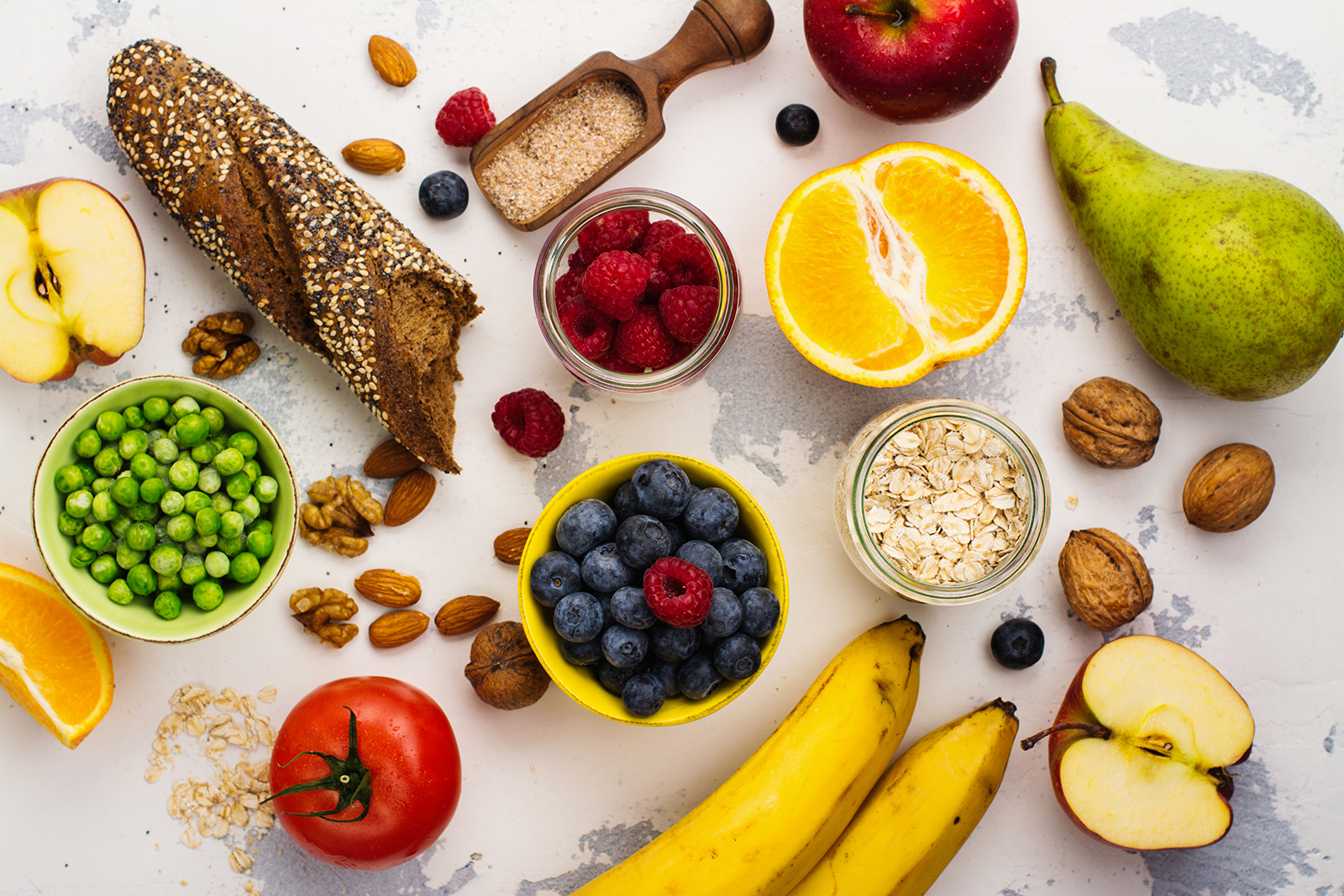
While calcium and vitamin D get most of the attention, they aren’t the only nutrients that support bone health. Magnesium helps regulate calcium and vitamin D levels and plays a role in bone structure. You’ll find it in nuts, seeds, whole grains, and dark leafy greens. Vitamin K also contributes to bone metabolism and calcium regulation, and is abundant in leafy greens, broccoli, and fermented foods.
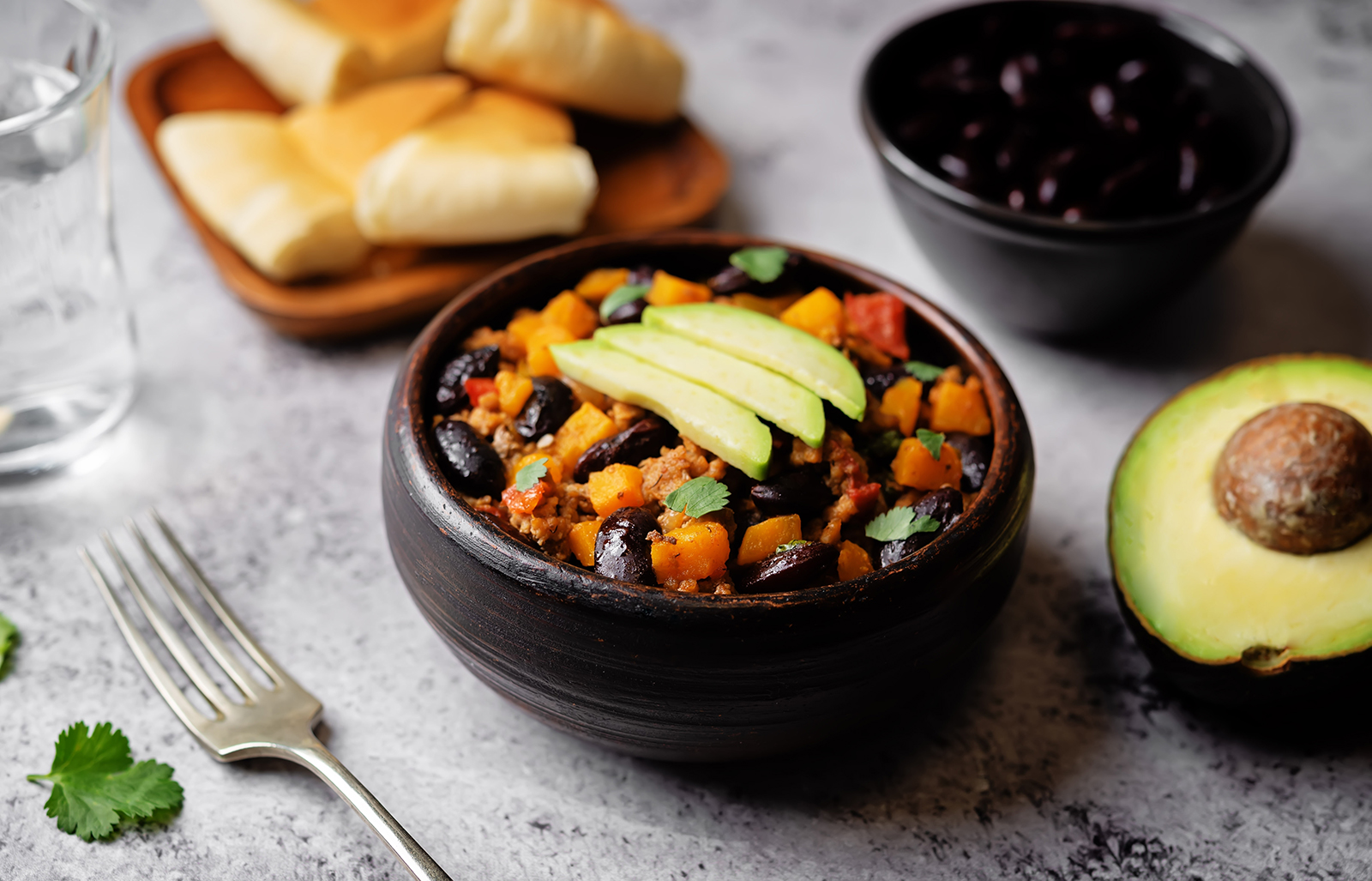
Protein, however, deserves special attention — especially after menopause. Bone isn’t just mineral; it also contains a significant protein matrix that gives it flexibility and strength. Adequate protein intake supports bone repair and turnover while also preserving muscle mass, which places healthy stress on bones and reduces fall risk. Lean meats, poultry, fish, dairy, beans, and legumes are all excellent sources.
A balanced diet rich in these nutrients works together to support bone density and resilience over time.
Related: 7 Benefits of Magnesium
Exercise and Strong Bones
Bones get stronger when you challenge them. Just like muscles, bones adapt to stress—so the right type of exercise can help maintain bone density, improve strength, and prevent fractures.
1. The Power of Weight-Bearing and Resistance Training
Weight-bearing and resistance exercises stimulate bone growth and slow bone loss by putting healthy stress on bones.
- Weight-bearing exercises: Activities where you work against gravity while on your feet. Examples:
- Walking or hiking
- Dancing
- Stair climbing
- Jumping rope
- Low-impact aerobics
- Resistance training: Strength training using weights, resistance bands, or body weight helps build and maintain bone density. For example:
- Squats and lunges
- Deadlifts
- Push-ups and planks
- Resistance band exercises
- Weightlifting
Aim for at least two strength-training sessions per week to keep your bones strong.
2. Best Exercises for Maintaining and Improving Bone Density
Not all exercises affect your bones in the same way. Bones respond best to mechanical load and impact, meaning they adapt to the stress placed upon them. This principle, sometimes referred to as Wolff’s Law, explains why bones strengthen when challenged and weaken when they aren’t. Research consistently shows that progressive resistance training stimulates bone remodeling, helping preserve and, in some cases, improve bone density in postmenopausal women.
Strength training is one of the most powerful tools for supporting bone health. Lifting weights, using resistance bands, or working with your own body weight creates the kind of mechanical stress bones need to stay strong. In fact, clinical trials, including the well-known LIFTMOR study published in the Journal of Bone and Mineral Research, have demonstrated that properly supervised resistance and impact training can safely improve bone density and functional strength in postmenopausal women with low bone mass.
Weight-bearing cardio can also play a role. Activities like brisk walking, hiking, dancing, and stair climbing work against gravity and help maintain bone health. However, while walking is excellent for cardiovascular fitness, research suggests it may not provide enough stimulus on its own to significantly increase bone density after menopause.
Where appropriate and safe for your fitness level, incorporating light-impact movements, such as small jumps, hopping drills, or low-level plyometrics, can create an even stronger osteogenic (bone-building) stimulus. Organizations like the American College of Sports Medicine and the Bone Health & Osteoporosis Foundation recommend combining resistance training with weight-bearing and moderate-impact activities to support skeletal strength.
The key isn’t intensity for its own sake — it’s progressive challenge. Gradually increasing resistance, load, or complexity over time gives your bones a reason to adapt. Consistent, intentional training doesn’t just build muscle — it reinforces the structural foundation that supports you for life.
Strong From the Ground Up
Build strength where it matters most. This program focuses on foundational movement patterns that support stronger muscles, healthier bones, and lasting resilience.
3. Balance and Flexibility: Preventing Falls and Fractures
While building bone strength is important, fall prevention is just as critical. Strong bones won’t help if you’re at risk of falling and breaking them.
- Balance exercises help improve stability and coordination, reducing the risk of falls. Try standing on one leg, heel-to-toe walking and even Tai Chi.
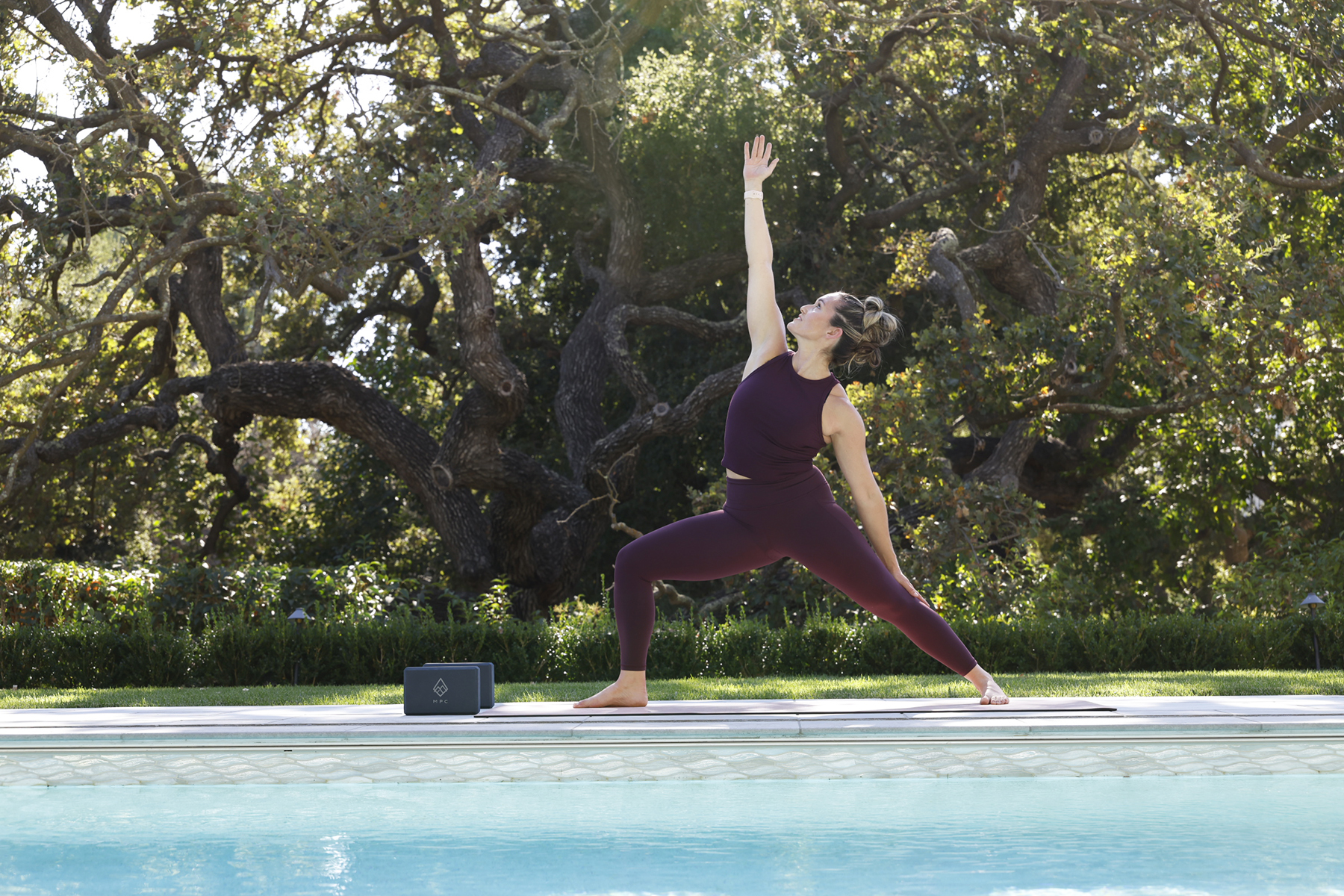
- Flexibility and mobility work keep joints healthy and allow for better movement mechanics. Regular yoga or stretching sessions can improve posture, mobility, and overall movement quality.
Strong Bones for Life
Menopause may speed up bone loss, but it doesn’t have to define your future. By prioritizing strength training, weight-bearing movement, and a nutrient-rich diet, you can actively protect your bones, preserve mobility, and lower your risk of fractures in the years ahead.
Strong bones aren’t just about preventing breaks; they’re about preserving independence. The ability to carry groceries without hesitation, hike with friends, lift grandchildren, travel confidently, and move through life without fear. Every rep, every balanced meal, and every intentional choice is an investment in your future strength.
Longevity isn’t built in extremes. It’s built in consistency. And the work you do today supports the woman you’ll be decades from now.
Build Strength That Supports You For Life
Strong bones start with strong habits. Inside My Peak Challenge, you’ll find guided strength training, mobility sessions, and supportive programming designed to help women build resilience, protect their health, and stay active for years to come.