

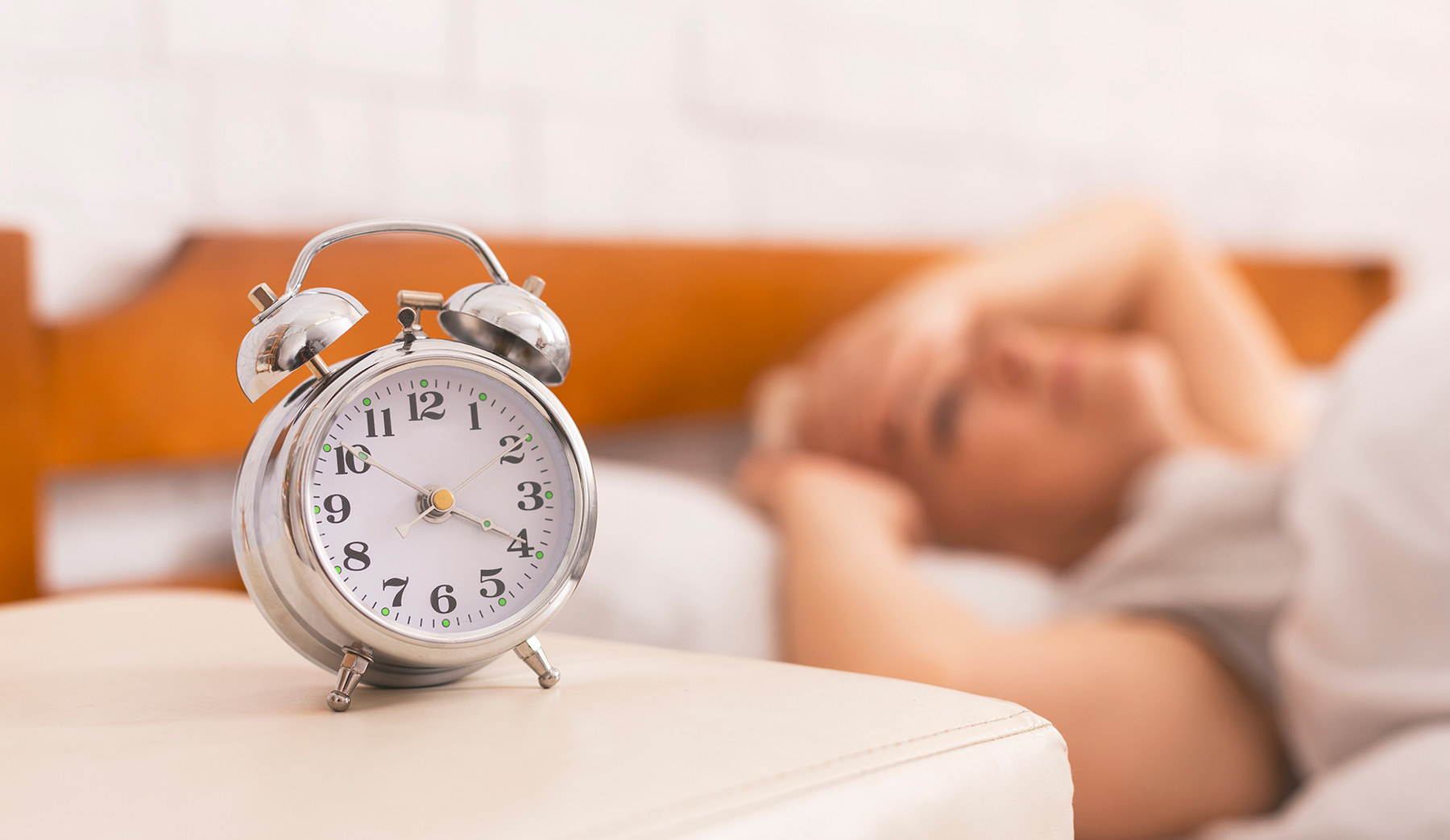
Did you know that in the U.S. alone, 97 million women struggle with menopause-related sleep disruptions? If you’re tossing and turning at night, waking up drenched in sweat, or feeling exhausted throughout the day, you’re not alone.
Sleep disturbances are one of the most common—and frustrating—symptoms of menopause. The hormonal fluctuations, physical changes, and even emotional shifts that come with this stage of life can wreak havoc on your ability to get a restful night’s sleep. And the effects go beyond just feeling tired. Chronic sleep deprivation has been linked to mood swings, increased stress, weight gain, heart disease, and even cognitive decline.
But the good news? Once you understand what’s happening in your body, you can take steps to reclaim the deep, restorative sleep you need.
How Menopause Can Disrupt Your Sleep
Menopause is a gradual transition that typically begins with perimenopause, the years leading up to the final menstrual period. Symptoms can start in your 40s—or even earlier—and persist well into postmenopause. During this time, shifting hormone levels can trigger hot flashes, insomnia, restless legs, sleep apnea, and other nighttime disturbances that make it difficult to fall and stay asleep.
Here’s a closer look at how menopause impacts your rest:
Too Hot To Sleep: Hot Flashes and Night Sweats
Hot flashes—sudden waves of intense heat—are a hallmark of menopause. At night, they turn into night sweats, leaving you drenched in sweat, anxious, and struggling to fall back asleep.
While each episode typically lasts only two to four minutes, their impact can linger for hours, causing repeated awakenings throughout the night. Research shows that 42% of people in postmenopause experience hot flashes, and nearly half also struggle with insomnia. These sleep disruptions may be linked to changes in the brain that not only trigger hot flashes but also contribute to frequent nighttime awakenings.
In the U.S., 97 million women struggle with sleep disruptions caused by hot flashes and night sweats.
Hormones Gone Haywire: The Insomnia Struggle
Insomnia is one of the most common and persistent symptoms of menopause. Decreasing levels of estrogen and progesterone—two hormones that regulate sleep—make it harder to fall asleep, stay asleep, and wake up feeling refreshed.
Menopause-related insomnia can show up in different ways:
- Trouble falling asleep
- Waking up multiple times during the night
- Waking up too early and being unable to fall back asleep
To make matters worse, declining estrogen levels can contribute to joint pain and frequent nighttime urination, further disrupting your sleep cycle. Additionally, melatonin—the sleep hormone—decreases with age, making it even harder to get the rest you need.
Breathing Trouble: Sleep Apnea
Many people don’t realize that obstructive sleep apnea (OSA) becomes more common after menopause. Studies show that 47% to 67% of postmenopausal women experience OSA, which can cause snoring, gasping, and brief pauses in breathing throughout the night—all of which disrupt deep sleep.
Why does menopause increase the risk of sleep apnea?
- Weight gain (which often occurs with menopause) can contribute to airway narrowing.
- Lower progesterone levels weaken the muscles that keep the airways open.
- Hormonal changes can make breathing less stable during sleep.
Women with sleep apnea are often misdiagnosed with insomnia or daytime fatigue rather than being tested for a sleep disorder. If you wake up feeling unrefreshed despite spending enough time in bed, it may be worth discussing a sleep study with your doctor.
Legs on the Move: Restless Legs Syndrome
Restless Legs Syndrome (RLS) is a neurological condition that causes an irresistible urge to move your legs, particularly when you’re trying to relax or sleep. This condition affects women more than men, and menopause can make symptoms worse.
One study found that 69% of postmenopausal women reported an increase in RLS symptoms compared to before menopause. Researchers believe this may be linked to fluctuating estrogen levels, though more studies are needed to understand the connection fully.
Hot flashes can last just minutes, but their impact on sleep can linger for hours.
Reclaiming Restful Sleep During Menopause
If menopause has made quality sleep feel impossible, you’re not alone—but there are science-backed strategies that can help.
While basic sleep hygiene is always important, menopause-related sleep disturbances require a more targeted approach. Try these solutions:
Keep Cool & Combat Night Sweats
- Use moisture-wicking pajamas and breathable cotton sheets.
- Keep your bedroom cool (60-67°F) and well-ventilated.
- Try a cooling pillow or mattress pad to prevent overheating.
- Drink cold water before bed and avoid alcohol, which can trigger night sweats.
Consider Natural Sleep Support
- Magnesium can help with relaxation and restless legs.
- Melatonin (a sleep hormone) may improve sleep quality.
- Valerian root and ashwagandha can support relaxation and stress relief.
- Black cohosh has been studied for menopause-related hot flashes and night sweats.
Optimize Your Sleep Routine
- Stick to a consistent bedtime and wake-up time—even on weekends.
- Wind down with calming activities like reading, meditation, or a warm bath.
- Avoid screens an hour before bed—blue light disrupts melatonin production.
- Limit alcohol and caffeine, especially in the evening.
Exercise for Better Sleep
- Regular movement can improve sleep, but avoid intense workouts late at night.
- Strength training can help reduce muscle and joint pain that disrupts sleep.
- Yoga or gentle stretching can ease tension and promote relaxation before bed.
Explore Hormonal & Medical Support
- Some women find hormone replacement therapy (HRT) helps with severe symptoms.
- If you suspect sleep apnea, talk to a doctor about a sleep study.
- If anxiety or mood changes are affecting your sleep, consider speaking with a healthcare provider about additional support.
The Bottom Line: Menopause & Sleep Don’t Have to Be a Battle
Menopause may be a natural transition, but suffering through sleepless nights doesn’t have to be. By understanding how your body is changing and making small, strategic adjustments, you can reclaim your rest. If you’re struggling despite making lifestyle changes, consider talking to your doctor about personalized options for better sleep. Because when you sleep well, you feel better—and that’s something worth fighting for.
Related: Your Ultimate Sleep Guide
Take Back Your Health
Sleep better, feel stronger, and take control of your health. Access exclusive resources designed to support you through menopause and beyond.