

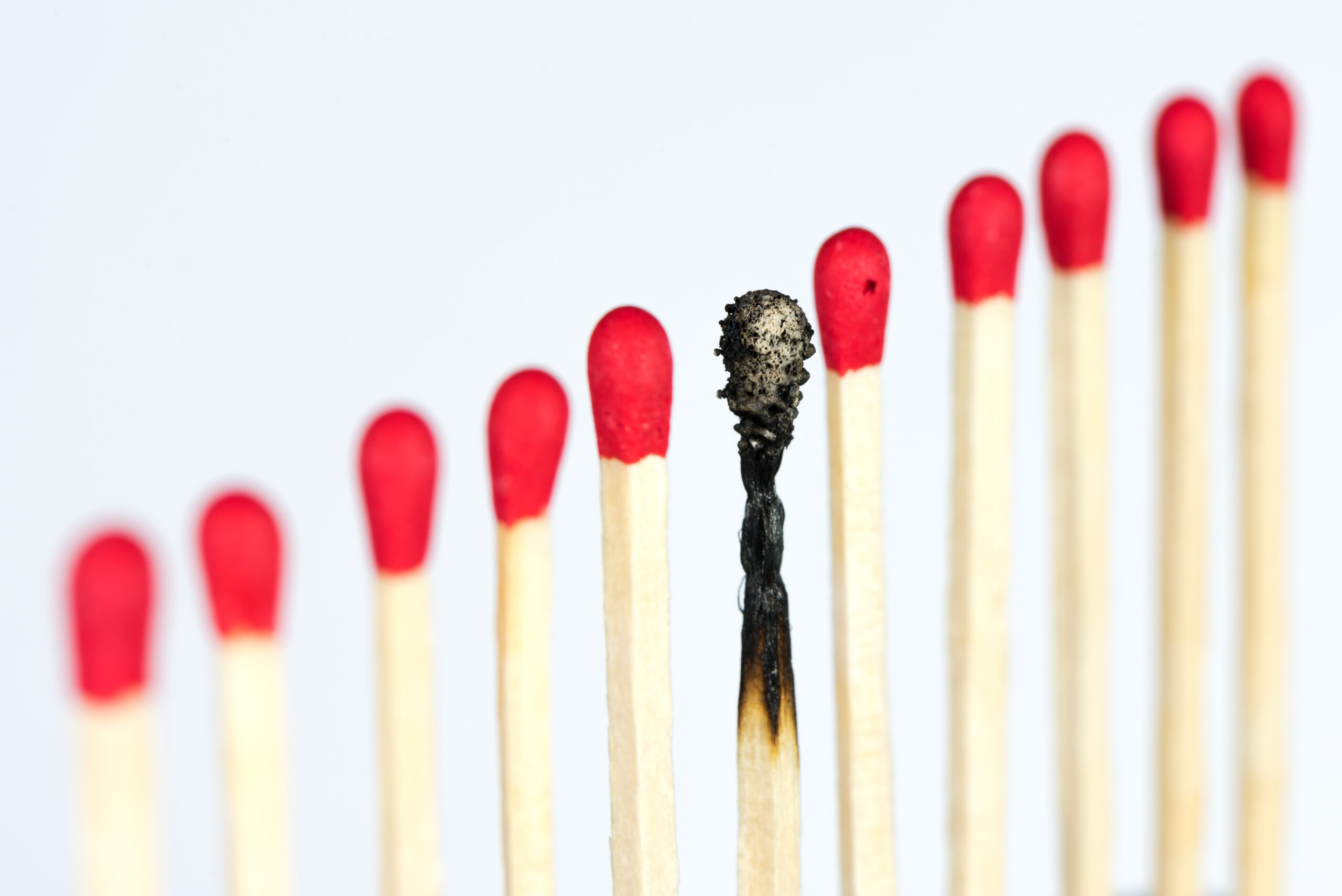
We all experience stress from work sometimes. But how do you know when it becomes too much? Facing regular challenges is part of the professional landscape, but chronic stress can lead to burnout, a serious condition with significant consequences.
The alarming reality is that employee stress has been steadily rising over the past decade, with 2022 and 2023 marking consecutive years of record-high stress levels according to a Gallup report. This, unsurprisingly, translates to a significant increase in workplace burnout. A 2022 survey by the McKinsey Health Institute revealed that over 25% of employees in the U.S. experience burnout symptoms regularly.
Burnout Defined
So what is burnout? According to the American Psychological Association, burnout is a state of emotional, physical, and mental exhaustion caused by performing at a high level until stress and tension take their toll. In simple terms, it’s a reaction to prolonged or chronic job stress. It can manifest as low energy, fatigue, changes in appetite, and difficulty concentrating. While some symptoms may overlap with depression, burnout is primarily work-related.
If you recognize these signs in yourself, it’s crucial to seek help and address the issue. Remember, prioritizing your well-being is not a sign of weakness; it’s essential for a healthy and fulfilling work life.
The Signs of Burnout
Burnout manifests differently for everyone, but it can affect you physically, mentally, and emotionally.
Physical Exhaustion:
Insomnia: Difficulty falling asleep, staying asleep, or experiencing sleep disturbances. This can lead to further fatigue and irritability.
Aches and Pains: Headaches, muscle tension, and other physical discomfort are common, with migraines also possible.
GI Issues: Early stages might manifest as nausea, constipation, or diarrhea.
Emotional and Behavioral Changes:
Detachment: You might feel emotionally distant or hold negative attitudes towards your colleagues and work tasks, which can be detrimental in team environments.
Reduced Attention: Brain fog, decreased attention span, and weakened cognitive performance are all symptoms of burnout.
Diminished Sense of Accomplishment: A sense of helplessness or lack of motivation can set in when your efforts seem to yield no results.
Isolation: You may feel the urge to withdraw from friends and family, and they might express concern about your lack of engagement.
Combat Burnout Before It Takes Hold
The good news is that burnout is largely preventable. By focusing on proactive self-care and maintaining healthy work-life boundaries, you can significantly reduce your risk of experiencing its debilitating effects. Here are some steps you can take:
Address the Source: If your company values employee well-being, raise concerns about your workload or work environment. They might be able to offer solutions like reduced workload, flexible schedules, or even a change in position.
Self-Care Strategies: Beyond external solutions, prioritize self-care to combat burnout:
- Healthy habits: Maintain a balanced diet, exercise regularly, and prioritize quality sleep.
- Stress management: Develop strategies to manage stress, such as meditation, mindfulness exercises, or spending time in nature.
- Regular breaks: Don’t underestimate the power of regular breaks throughout the day. Short breaks can help you recharge and refocus, preventing burnout from accumulating.
- Daily exercises: Find small, daily activities that help you feel rejuvenated, whether it’s reading, taking a walk, or connecting with loved ones.
Remember, while a vacation can offer temporary respite, it’s not a long-term solution. By addressing the root causes of your stress and actively managing your well-being, you can overcome burnout and build resilience in the long run.
Read More: Why Self-Care Isn’t Selfish