

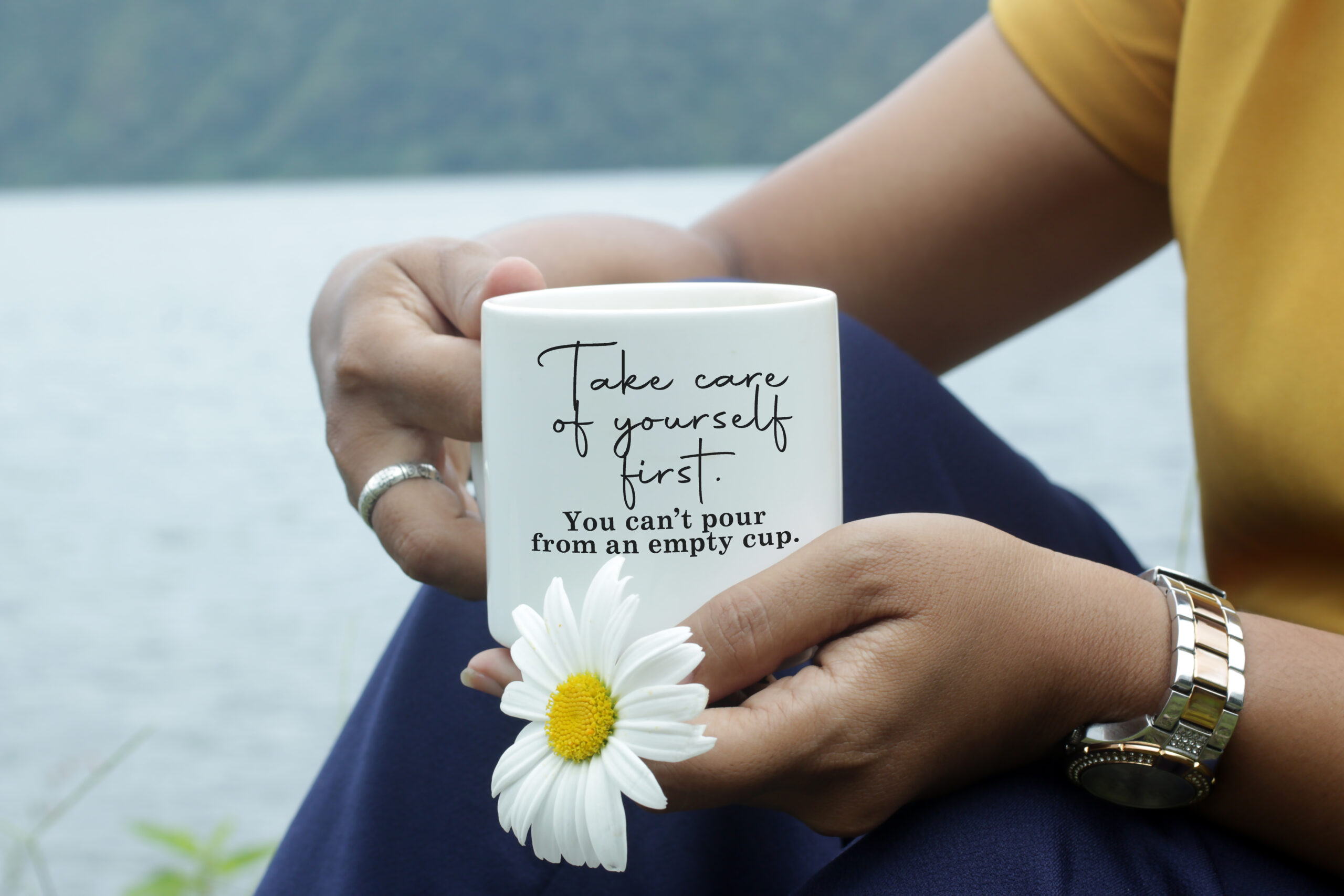
Forget the perfectly curated Instagram posts of green smoothies and calming yoga poses. (Fun fact: search #selfcare on IG and there are more than 81 million posts on the topic). Self-care isn’t about forcing yourself into some mold of what it “should” be. It’s about listening to your own body and mind, and giving them what they need to thrive.
Think of it like your phone battery. You wouldn’t run it down to nothing, would you? You’d plug it in to recharge when it was running low. Self-care is the same. It’s about restoring your physical, mental, and emotional reserves so you can show up for yourself and the world in the best way possible.
Why You Should Prioritize Self-Care
Having an effective self-care routine has been shown to have many important health benefits. Some of these include:
Reduced stress and anxiety: A study in BMC Complementary Medicine and Therapies found that self-care helps you manage stress and anxiety. Whether it’s calming activities like meditation or engaging in physical exercise, self-care provides healthy outlets to release tension and find peace of mind. This reduced stress translates to better sleep, improved immune function, and even lower blood pressure.
You Develop Greater Resilience: When you invest in your well-being, you develop the ability to bounce back against life’s challenges. Taking breaks, setting boundaries, and tending to your emotional requirements help you overcome setbacks and tackle your daily tasks with renewed vigor.
Stronger Relationships: Being at your best doesn’t just benefit you – it ripples outwards. When you care for yourself, you have more emotional capacity and positive energy to give to others. Prioritizing self-care can prevent burnout and resentment, strengthening your relationships with friends, family, and colleagues.
How to Develop a Self-Care Plan
Self-care isn’t a one-size-fits-all deal. What works for your best friend might not be your cup of tea. Here are some different types of self-care to explore:
- Physical: Get your move on with a walk, practice yoga, or fuel your body with healthy food.
- Mental: Unwind with a good book, meditate to quiet your mind, or learn something new to challenge yourself.
- Emotional: Spend time with loved ones, express your feelings through journaling or art, or take a break from negativity.
- Social: Connect with friends and family, join a club, or volunteer for a cause you care about.
- Spiritual: Practice mindfulness, connect with nature, or explore your beliefs.
Developing a self-care plan doesn’t have to be complicated. Start by identifying your needs and what makes you feel good. Then, schedule it in. Treat self-care like any other important appointment. Block out time in your calendar, set reminders, and don’t feel guilty about saying “no” to things that drain your energy.
Remember, self-care isn’t selfish; it’s essential. It’s about investing in yourself so you can be your best self for everyone around you (and yes, that includes treating yourself to that bubble bath and face mask sometimes!). So, go ahead, listen to your inner voice, and start creating a self-care routine that works for you. Your mind, body, and soul will thank you for it.