

Cutting back on sugar is wise, and artificial sweeteners like aspartame come with their own concerns. But we all crave a little sweetness sometimes. Honey, maple syrup, and agave are often promoted as healthier alternatives to sugar. So, is swapping sugar for these a good move?
The reality is that they’re all still sugar, just in liquid form. Honey, maple syrup, and agave even have slightly more calories than granulated sugar. As with any added sugar, it’s best to consume them in moderation. The American Heart Association recommends daily limits of 25 grams for women and 36 grams for men.
While honey and maple syrup do offer some nutrients, unlike white sugar, you’d need to consume more than the recommended amount to get any substantial benefit. Their real advantage lies in their unique flavors that can elevate your dishes, sometimes even allowing you to use less for the same level of sweetness.
Related: How Much Sugar Is Too Much?
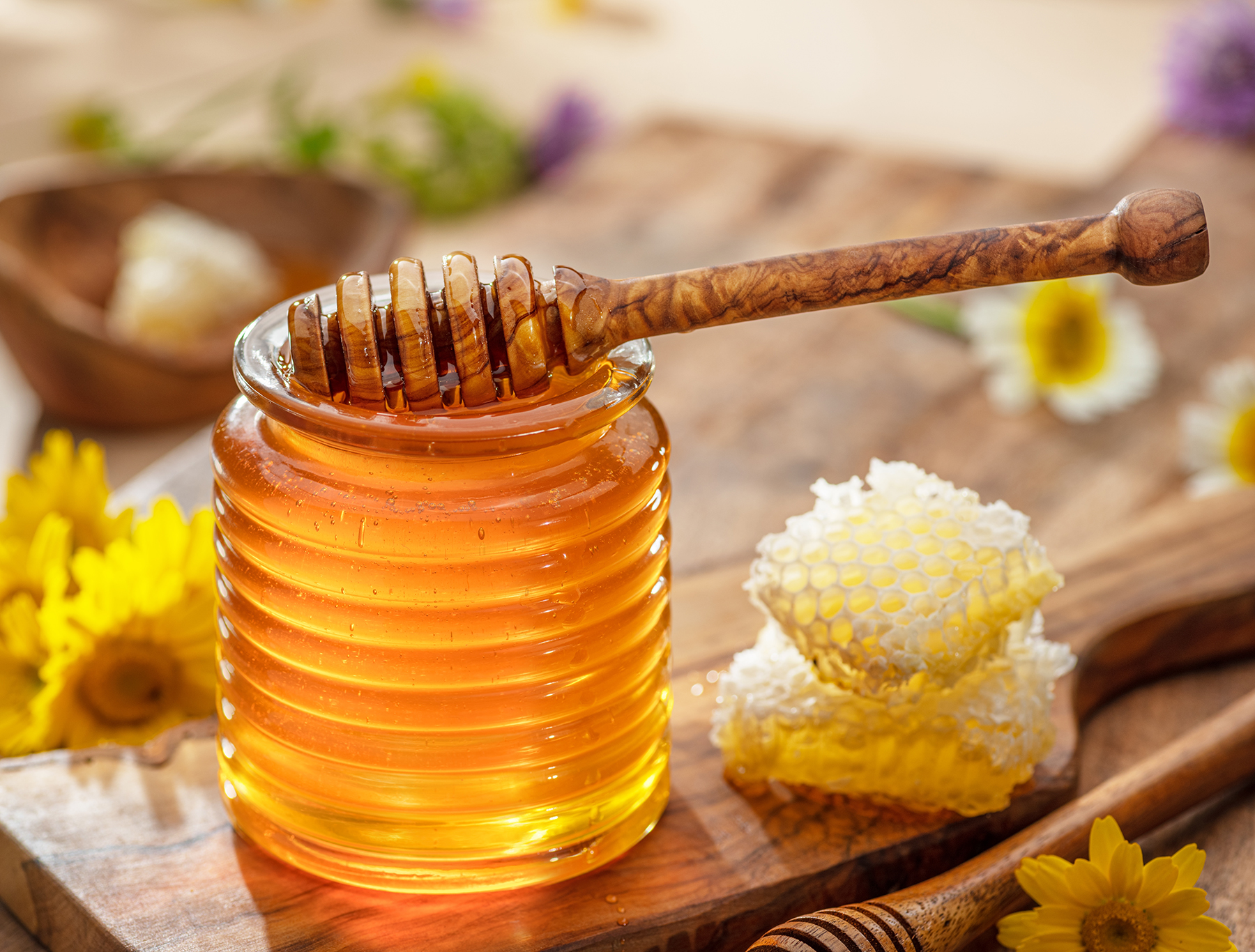
Honey
64 calories | 17.2 grams of sugar per teaspoon
Honey does contain antioxidants, but the specific types and amounts vary depending on the honey’s floral source.
While there’s a common belief that local honey can help with seasonal allergies, there’s no scientific evidence to support this. The pollen types that trigger allergies are different from those found in honey. However, honey might provide some relief when you’re feeling under the weather, as it has been shown to ease coughs and other upper-respiratory symptoms.
Maple Syrup
52 calories | 12 grams of sugar per teaspoon
Similar to honey, pure maple syrup contains beneficial compounds that can help fight disease. Studies have identified 23 different antioxidants in maple syrup, with the possibility of even more. However, it’s important to stick with pure maple syrup. Pancake syrup, also known as table syrup, is mainly flavored corn syrup or high-fructose corn syrup and lacks those valuable antioxidants.
Agave
21 calories | 5 grams of sugar per teaspoon
Agave has become popular for its low glycemic index, meaning it has a less dramatic effect on blood sugar compared to sugar, honey, or maple syrup. However, it’s important to note that agave is high in fructose. Too much fructose has been associated with liver problems like increased fat storage and insulin resistance. These effects are more pronounced when consuming a large amount of fructose in a short period. (This isn’t a concern with fructose from whole fruits, which have a much lower concentration.) If you’re using agave, pairing it with foods rich in fiber, fat, and protein, like whole grains or nuts, can help slow down fructose absorption.