

Added sugars lurk in countless grocery store products. While cookies and ice cream are obvious culprits, sugars hide in unexpected places like pasta sauce and salad dressing. Over 65% of foods in the grocery store contain added sugars.
Consuming some sugar in moderation is fine as part of a balanced diet. However, excessive added sugar intake is linked to an increased risk of heart disease, type 2 diabetes, and even some types of cancer.
So, what constitutes a reasonable daily sugar intake, and does the source matter? Let’s delve deeper.
Sugar Intake Guidelines
According to the American Heart Association (AHA), Americans consume about 17 teaspoons of added sugars each day. That’s more than two to three times the recommended amount for both men and women, and it adds up to about 60 pounds of added sugar annually. The AHA recommends men limit their consumption of added sugar to no more than 9 teaspoons (36 grams or 150 calories) a day, and women should limit them to no more than 6 teaspoons (25 grams or 100 calories) per day.
Americans consume about 60 pounds of added sugar a year.
American Heart Association
The World Health Organization is a little more generous and recommends that we reduce our daily intake of added sugars to less than 10% of our total energy intake. So if you were following a 2,000-calorie-a-day plan, that would be no more than 200 calories a day or no more than 12 teaspoons of added sugar a day.
Either way, any reduction is beneficial.
Natural vs. Added Sugars
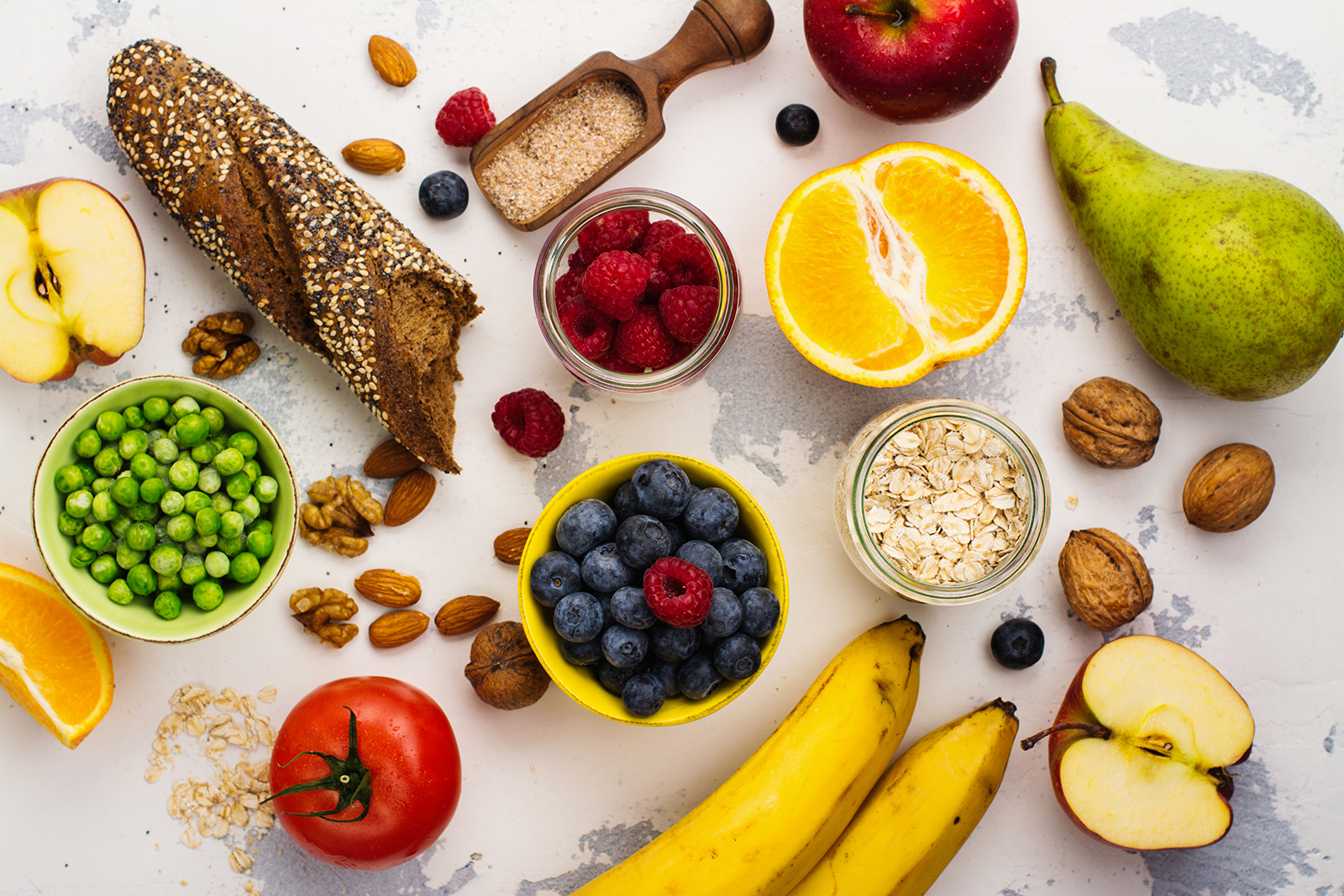
These guidelines limit added sugars but not natural sugars. Natural sugars are found in vegetables, fruit, and milk, all foods that help form a nutritious diet. Those foods also contain nutrients the body needs, including vitamins, minerals, and fiber, and the benefits of those outweigh the sugar.
For instance, the fiber in fruits and vegetables helps make us feel full and satiated. Candy and soda, laden with added sugars, are easy to overindulge in, whereas fruit, with its natural sugars, tends to be more satisfying. This usually leads us to consume less fruit compared to soda or juice, resulting in a lower overall sugar intake.
Lactose is the natural sugar in milk, and its low glycemic index means it digests slowly and doesn’t spike blood sugar levels like refined sugars do.
In the short term, a spike in blood sugar levels will cause a sugar rush, followed by a sugar crash, which brings cravings and then lethargy. However, repeated spikes in blood sugar can cause heart problems, kidney problems, and more. Over time, the more sugar you consume, the more insulin it takes to break it down. Over time, the pancreas struggles to keep up with the production and may cause insulin resistance, prediabetes, Type 2 diabetes, and more.
Reading Labels
When grocery shopping, it’s important to read labels because many foods and drinks contain a lot of added sugars.
Nutrition Facts labels list Total Sugars and Added Sugars. Total sugars include sugars naturally present in many foods and drinks, such as sugar in milk and fruits, as well as any added sugars in the product. Added sugars include anything added during the processing of foods, foods packaged as sweeteners (such as table sugar), sugars from syrups and honey, and sugars from concentrated fruit or vegetable juices.
And they’re listed by different names, including:
- Sugar
- Brown Sugar
- Sucrose
- Glucose
- High fructose corn syrup
- Honey
- Agave
- Evaporated cane juice
- Fruit juice concentrate
Here’s the added sugar content of some common foods:
| Food | Size | Added Sugars |
| Soda | 16.9 oz | 56 grams |
| Apple Juice | 16.9 oz | 53 grams |
| Candy Bar | 1 bar (48 grams) | 24 grams |
| Granola Bar | 1 bar (24 grams) | 7 grams |
| Pasta Sauce | 1/2 cup | 6 grams |
| Ketchup | 1 tbsp | 4 grams |
How to Reduce Your Sugar Intake
Keeping your added sugar intake low requires a little effort. Here are some ways you can do that.
- Cut back slowly. When baking cookies, brownies, or other sweet treats, cut the sugar called for in the recipe by a third to a half. Often, it won’t taste any different.
- Swap your sips. Instead of soda, sweet tea, or juice, drink water. Flavor it with fresh fruit, a squeeze of citrus, mint leaves, or even cucumbers.
- Plan ahead: Keep nutrient-dense snacks around so you’re less likely to choose candy or other sugar-laden snacks.
- Eat fewer processed foods. Fruits, vegetables, and nuts are a better choice than baked goods and many ultra-processed, packaged snack.
Related: A Beginner’s Guide to Gut Health