
Gut health isn’t just a buzzword anymore — it’s a major health priority for many people. In fact, a 2022 survey revealed that nearly a quarter of adults consider digestive health the most crucial aspect of their overall well-being. And it’s not just talk; the booming probiotics market, estimated at over $77 billion in 2022 and projected to grow significantly in the coming years, shows just how much we value a healthy gut.
But what exactly are probiotics, and how do they support our digestive health?
What Are Probiotics?
Probiotics are like tiny helpers for your gut. They’re found in foods and supplements, and they introduce beneficial microbes to the communities already living in your digestive system and other parts of your body. It’s like adding reinforcements to an army. The goal is to prevent or fix dysbiosis, which is when there’s an imbalance or not enough of the good microbes in your microbiome. Ideally, these probiotics set up camp in your body and join the existing microbial population, making it stronger.
Related: 7 Things Your Microbiome Wishes You’d Stop Doing
Understanding Your Microbiome
The human body functions as a complex, interconnected ecosystem, with the gut serving as its primary point of contact with the outside world. As the frontline of your immune system, the gut is continually exposed to new microbes and molecules from the food and drinks you consume. The activities within the gut extend beyond digestion; they are closely linked to the central nervous system, brain, and even your mood. However, understanding the gut’s significance begins with recognizing the crucial role of the organisms that reside there.
The community of microbes that inhabits the human body is known as the microbiota, while the microbiome refers to the entire set of genes within these microbes. These microbial genes play a significant role in how the body functions, and each person has a distinct microbiota and a unique microbiome shaped by individual exposure to various environmental factors. These microbial colonies are constantly changing, influenced by factors such as geography, health status, stress, diet, age, gender, and even the things you touch.
The microbiome is so important to the body’s operations that it essentially acts like an organ, and it impacts everything from aging to digestion, the immune system, mood, and even cognitive function.
A healthy microbiome keeps this delicate balance in check. Harmful invaders get dealt with, while beneficial microbes live in harmony with your body, contributing to your overall health. So, a thriving gut microbiome isn’t just about digestion — it’s the cornerstone of a strong and resilient immune system.
Research has also unveiled the important role your microbiome has on your mental health. There’s a complex relationship between the gut and the brain (called the gut-brain axis), and the microbiota communicates with your central nervous system to regulate brain chemistry and manage stress response, anxiety, and memory.
Related: Improve Your Gut Health, Improve Your Mood
What Foods Are High In Probiotics?
The microbiome’s delicate balance can be disrupted by various factors, from stress to medication. But probiotics can restore harmony.
Probiotics are beneficial bacteria that can improve microbial balance and help support your digestive system. They are live microorganisms that can be found in some foods or supplements, and when taken in sufficient amounts, they can help restore the natural balance of gut bacteria.
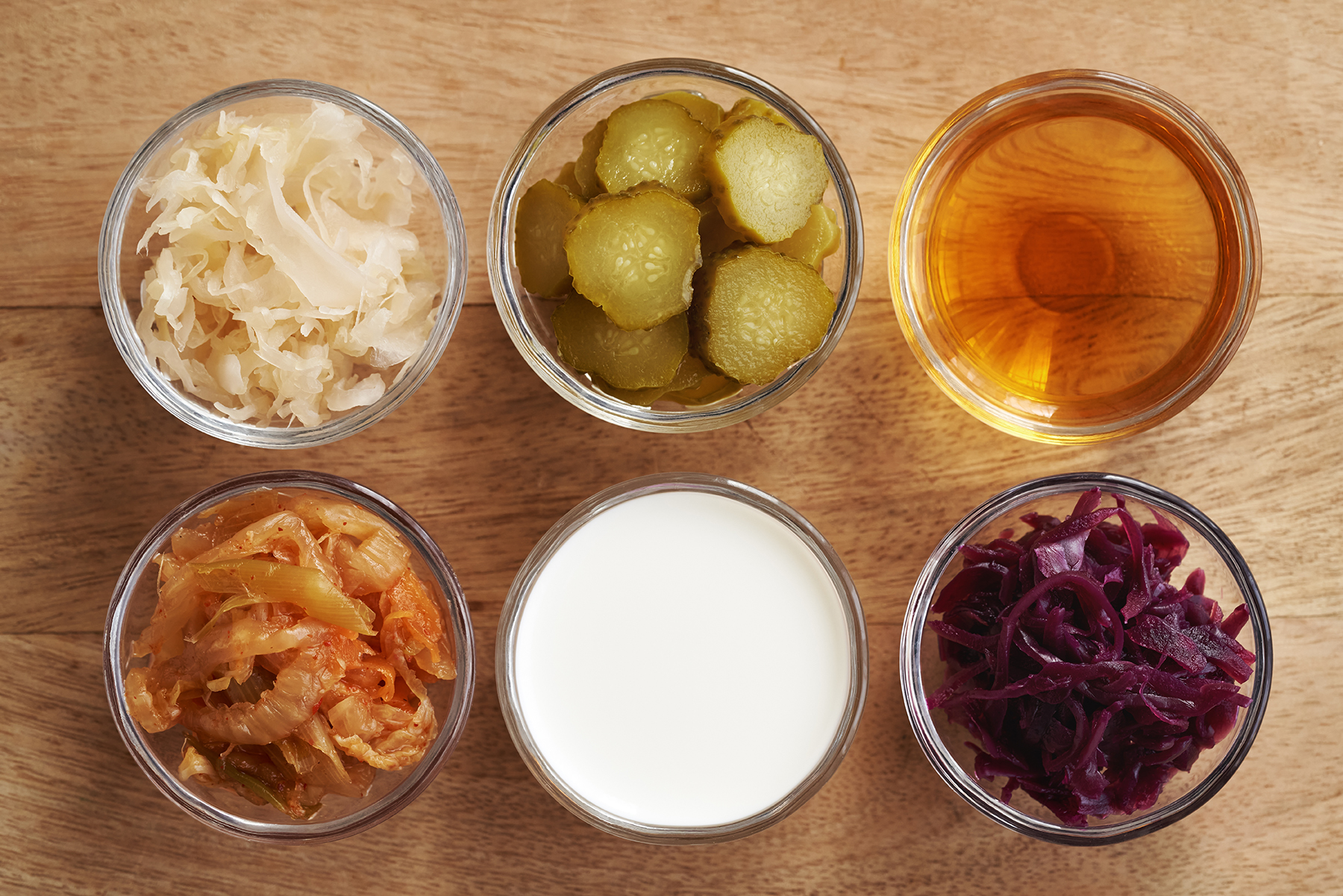
Some foods naturally contain beneficial bacteria that support gut health. These bacteria often thrive through a process called lactic acid fermentation, where they convert sugars into lactic acid, boosting their numbers. While fermented foods like beer and sourdough bread undergo a similar process, they don’t typically retain the live, beneficial bacteria known as probiotics. Foods that contain probiotics include:
- Fermented cheeses such as buttermilk and cottage cheese
- Kefir (fermented milk drink)
- Kimchi (fermented cabbage)
- Kombucha (fermented tea)
- Sauerkraut (fermented cabbage)
- Miso (fermented soybean paste)
- Yogurt
- Pickles
In general, kefir and yogurt contain the highest amount of probiotic organisms. Look for the words “live cultures” on the label.
What to Look For In a Probiotic Supplement
Your diet should generally meet your probiotic needs, but if you’re looking to boost your gut health, taking a probiotic supplement is an easy way to introduce more of these beneficial bacteria into your system. Available in different forms like capsules, powders, or pills, these supplements typically contain a variety of bacterial strains and billions of probiotics per serving, making them a potent addition to your wellness routine. Here’s what to look for when shopping for a probiotic.
- Colony-forming Units (CFUs): Each probiotic dose contains a specific number of bacterial cells. Aim for one with at least a billion colony-forming units (CFUs). While that might seem like a lot, some CFUs can be lost during shipping and storage. Factors like heat exposure can reduce the number of live bacteria. Choosing a product with a higher CFU count helps ensure you’re still getting a beneficial amount, even with potential losses.
- Science-backed strains: When choosing a probiotic, look for products containing Lactobacillus, Bifidobacterium, or Bacillus. These are among the most well-studied probiotics. It’s also crucial to select a product that has been tested and proven effective for your specific health concern. For instance, if you’re taking a probiotic to prevent antibiotic-associated diarrhea, you’ll want one specifically designed for that purpose, not one that claims to prevent respiratory infections.
- Storage Information: Some probiotics require refrigeration. Check the product label for proper storage instructions. Generally speaking, probiotics are sensitive to heat, so if they don’t require refrigeration, store them in a cool, dry spot.
- Check the expiration date: Always look for the manufacturing date or expiration date. Most probiotics are good for two to three years from the manufacturing date.
Research shows that the ideal time to take a probiotic is with a meal or up to 30 minutes before eating. This helps ensure the probiotic bacteria survive and thrive in your gut, providing the maximum benefit.
As always, we suggest that you consult with your healthcare provider before starting any new supplement, including probiotics, especially if you have any underlying health conditions or are taking medications.
Fuel Your Body. Strengthen Your Mind
Your gut does more than digest—it supports immunity, mental clarity, and recovery. Join My Peak Challenge to get the nutrition support, resources, and motivation to thrive from the inside out.