
You might be surprised to learn that your body is teeming with trillions of bacteria, most of which live in your gut. Believe it or not, these tiny microbes play a much bigger role in our health than we once thought. Research suggests that the balance of bacteria in our gut, known as the gut microbiome, can significantly impact our mood and mental well-being.
The gut is sometimes referred to as our “second brain” due to its complex network of neurons. This intricate system, known as the enteric nervous system, operates independently from our brain but constantly communicates with it. This gut-brain connection is a hot topic in research, and scientists are discovering more and more about how the health of our gut can influence everything from mood and stress levels to cognitive function and even mental health conditions.
How Your Gut Impacts Your Mood
It’s no surprise that our gut and brain are connected. After all, we’ve all felt those “gut feelings” in response to stress or excitement. But the link goes deeper than that. Scientists have discovered a direct communication pathway between your gut and brain called the gut-brain axis.
It’s a two-way street where hormones, neurotransmitters, and other compounds released in your gut can send messages to your brain. Think about serotonin, the “feel-good” chemical that boosts your mood – your gut makes about 95% of it.
A growing body of research now reveals that the specific types and amounts of bacteria in your gut (your microbiome) can have a major impact on your brain health and your risk of developing mental health issues. This opens up a whole new world of possibilities for understanding and treating mental health conditions through a gut-focused approach.
Here are a few examples of how this gut-brain connection plays out:
- Gut Imbalance and Brain Fog: When the bacteria in your gut aren’t balanced (called dysbiosis), it can allow harmful compounds to leak through the gut lining and potentially interfere with how your brain functions. This can lead to a foggy feeling or difficulty concentrating.
- Leaky Gut and Mood Issues: An inflamed gut becomes more permeable, allowing potentially harmful molecules to enter your bloodstream and even reach your brain. This “leaky gut” can negatively impact your brain health and potentially increase your risk of anxiety and depression.
- Gut Bacteria and Inflammation: Certain types of bacteria in your gut can trigger more inflammation. This inflammation, in turn, has been linked to a higher risk of mental health conditions like depression and anxiety.
- The Inflammation-Mood Connection: When those inflammation-causing compounds increase in your body, it can also amp up your chances of experiencing mood disorders.
Related: Move Your Body, Boost Your Mood
How to Improve Your Gut Microbiome
Ever heard the saying, “You are what you eat”? Well, it’s true, especially when it comes to your gut and your mood!
A healthy gut has a protective lining in your intestines that lets good stuff in (like nutrients from your food) and keeps the bad stuff out. But if that lining isn’t healthy, you can get what’s called a “leaky gut.” This means that pesky compounds can sneak through, causing inflammation that’s linked to all sorts of problems, including feeling down or anxious.
So, the big question is: how can we keep our gut happy and healthy to boost our mood? It’s more simple than you might think.
Here are four easy ways to improve your gut microbiome:
Consider a Probiotic Supplement
Research indicates these supplements could potentially be helpful for managing depression and improving gut health. Early studies suggest they might suppress inflammation, strengthen your gut lining, and even help regulate stress hormones.
Choosing the right probiotic can be tricky, but a multi-strain option, including both Bifidobacterium and Lactobacillus, is a good place to start. Here are a few more tips:
- Look for a probiotic with 1 to 10 billion CFU, which indicates the number of live microorganisms per dose.
- Make sure it’s labeled as containing live and active cultures.
- Choose a brand with third-party verification, as probiotics aren’t regulated as strictly as prescription drugs.
Add a Prebiotic Supplement
Prebiotics are like food for the good bacteria in your gut – the ones that keep your digestive system happy and healthy. These “good bugs,” also known as probiotics, thrive on prebiotics, which are a type of fiber our bodies can’t digest.
Interestingly, research suggests that prebiotics may do more than just support digestion. In one study, people who took a prebiotic supplement daily for three weeks experienced a reduction in anxiety and depression compared to those who took a placebo.
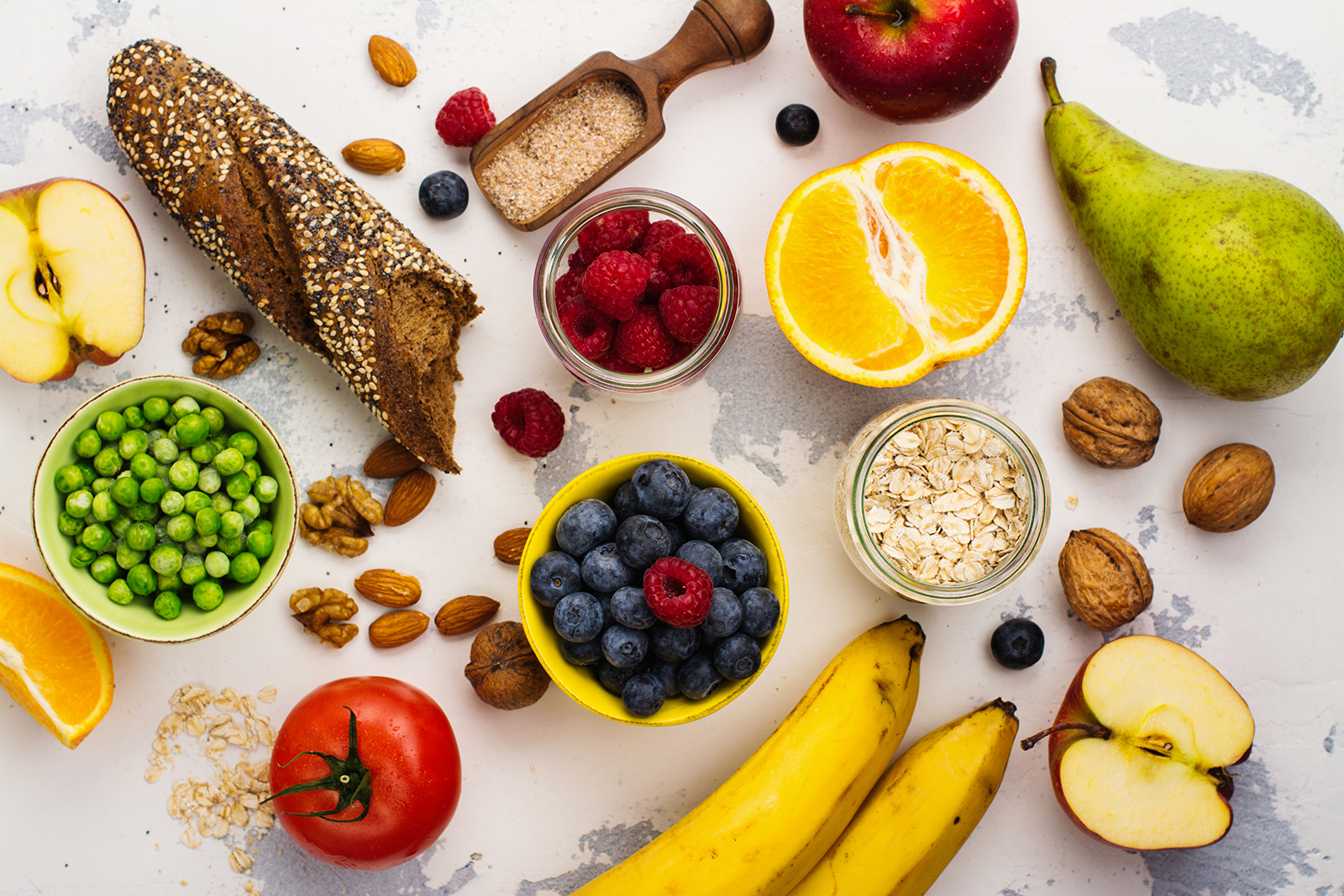
The great news is, you don’t need a supplement to get your prebiotic fix. You can easily incorporate them into your diet through plant-based foods like bananas, berries, artichokes, asparagus, beans, onions, garlic, leeks, and whole grains.
Eat Fermented Foods
Fermented foods are a tasty way to support your gut health, and they’ve been a staple in many cultures for centuries! These foods are teeming with beneficial bacteria, which can help balance your gut microbiome and potentially even boost your mood.
While a high-fiber diet is important for overall gut health, studies show that including fermented foods might be even more impactful for improving your gut bacteria composition. Think of it as a two-pronged approach – fiber feeds the good bacteria, and fermented foods directly add more of those helpful microbes to your gut.
Some popular fermented foods to try include yogurt, kefir, kimchi, miso, kombucha, and refrigerated sauerkraut (not the canned stuff!). Just remember that heat can kill those beneficial bacteria, so enjoy these foods raw for the best results.
Moderation is key, though. Too much of a good thing can lead to an upset stomach, so start slowly and find what works for you.
Eliminate (or Reduce) Foods That Harm Gut Bacteria
Your gut bacteria thrive on a balanced diet that’s full of whole, unprocessed foods. Things that aren’t naturally found in your body, like artificial ingredients and additives or even healthy things consumed in excess, can throw off that balance. So, it’s wise to minimize added sugars, saturated and trans fats, and be mindful of how much alcohol, protein, and processed foods you’re consuming.
UNLOCK THE SECRETS OF HEALTHY EATING
If you want to learn more about nutrition, My Peak Challenge nutritionists will guide you in our Nutrition Basics series.