
If you’ve ever skipped a workout because you didn’t have enough time, here’s some good news: You may not need nearly as much as you think.
A growing body of research suggests that brief, intentional bursts of movement — often called “exercise snacks” — can improve fitness and other markers of health, particularly for people who aren’t already very active.
And perhaps just as important? They’re surprisingly easy to stick with.
What Counts As An “Exercise Snack”?
Exercise snacks are short, intentional bouts of movement — often just one to five minutes — scattered throughout the day. Some research has focused specifically on vigorous activities that raise your heart rate, while other studies have looked more broadly at brief movement breaks designed to interrupt long periods of sitting.
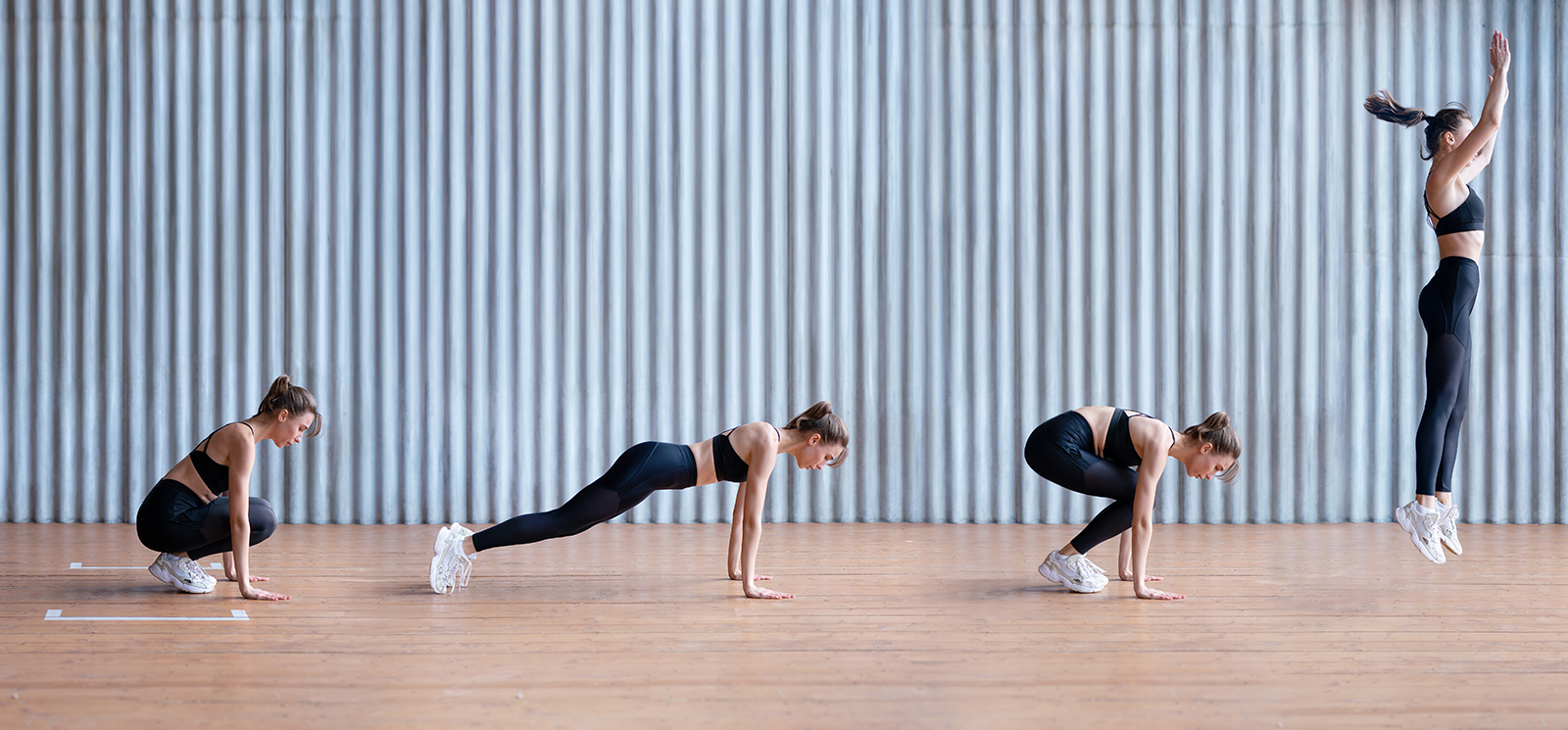
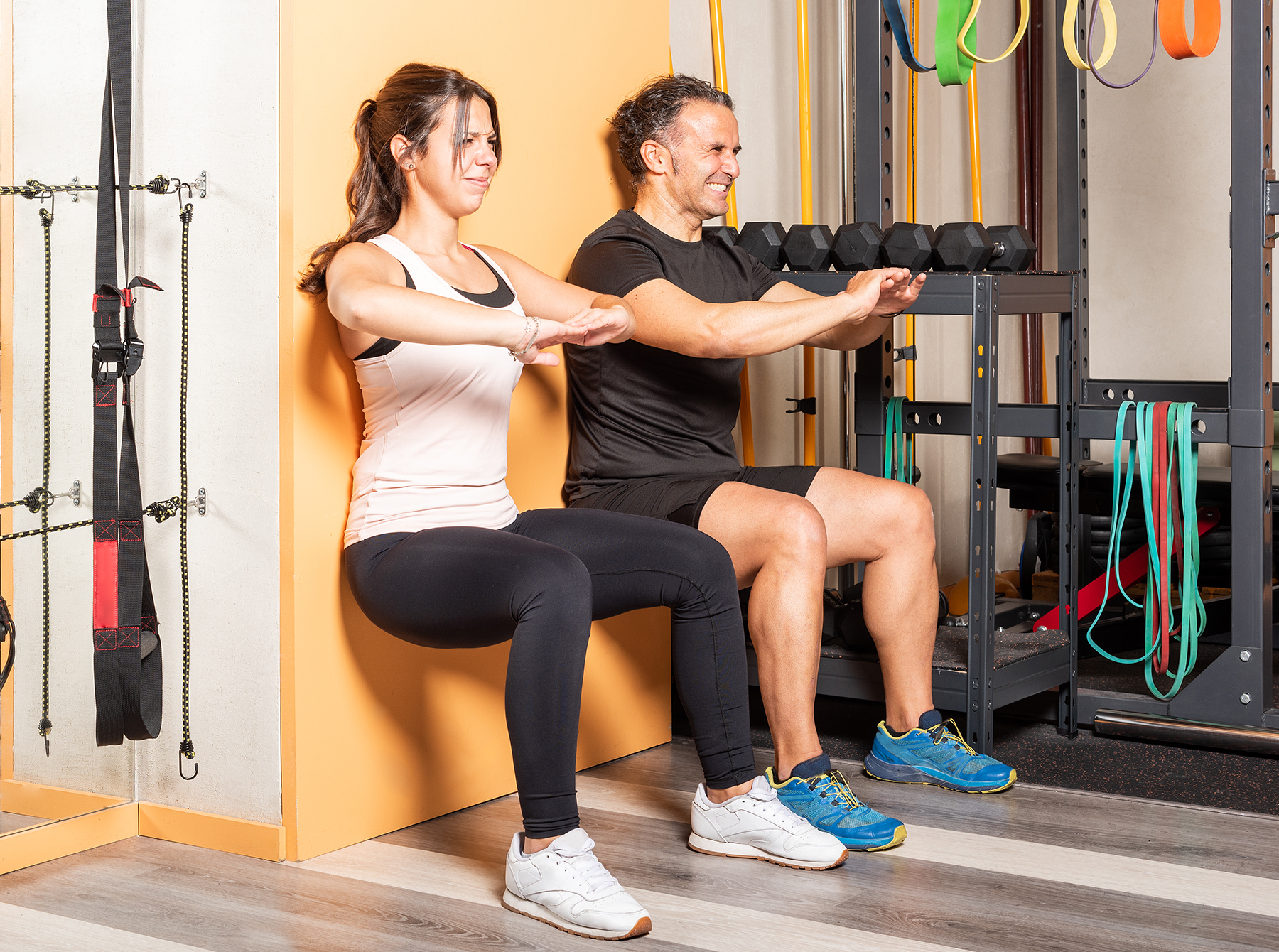
Think briskly climbing the stairs, knocking out a set of body-weight squats, walking quickly around the block, or getting up from your desk for a few minutes of movement.
In a 2025 review published in British Journal of Sports Medicine, researchers looked at studies in which more than 400 adults who typically didn’t exercise performed exercise snacks at least twice a day, three days a week, for four to 12 weeks.
Even these short bursts of activity improved cardiorespiratory fitness in younger adults and muscular endurance in older adults.
Even more encouraging was how many people stuck with it: More than 90% of participants under 65 and 83% of those over 65 adhered to their exercise-snack routines.
That matters because the workout you can consistently do is often more useful than the perfect workout you can’t fit into your life.
Related: Why Short Workouts Are Effective
Small Efforts Can Still Build Fitness
Since that review was published, researchers have continued to investigate what these tiny workouts can do.
A 2026 meta-analysis examining 21 studies and more than 900 participants found that exercise snacks improved cardiorespiratory fitness and peak power — essentially, your ability to produce force quickly. Improvements in peak power were seen across different age groups, including adults over 50.
Another review found improvements in aerobic fitness and peak power as well as reductions in total and LDL cholesterol. Researchers didn’t find significant changes in body weight or body fat.
That’s an important distinction. The benefits of moving your body aren’t always reflected on the scale.
A few minutes of movement won’t replace all the benefits of a well-rounded training program. But the growing research suggests that even very small doses of activity can give your body a meaningful training stimulus.
Your Brain May Benefit, Too
Those few minutes of movement may do more than challenge your muscles.
In a small study of sedentary middle-aged office workers, participants performed three one-minute bouts of vigorous exercise during the workday, four days a week. Researchers found improvements in measures of attention and executive function immediately after exercise as well as after the four-week intervention.
The study was small, and researchers still have much to learn about how exercise snacks affect cognition, mood, anxiety and other aspects of mental health. But we already know that regular physical activity is associated with better physical and mental well-being.
Consider this another potential reason to get up and move — especially when you’ve been sitting or staring at a screen for hours.
Think of Them as Movement Breaks, Too
There’s another way to think about exercise snacks: They don’t necessarily have to replace a workout. They can simply break up periods when you’re otherwise inactive.
That’s increasingly important in a world where many of us spend hours sitting at a desk, in the car or on the couch.
Recent research suggests that brief bouts of activity may be a practical way to interrupt prolonged sitting, with potential benefits for metabolic, cardiovascular, cognitive and functional health.
In other words, the choice isn’t always between doing a 45-minute workout and doing nothing. There is a lot of room in between.
Why Short Bursts Work
When you ask your body to work harder — even briefly — it has to respond. Your heart rate increases, your muscles demand more oxygen and energy, and your cardiovascular and muscular systems are challenged to adapt.
Repeat those small challenges consistently and they can add up.
There’s a behavioral benefit, too. Five minutes can feel much more manageable than 30 or 60, particularly when you’re busy, tired, returning to exercise or simply struggling to get started.
And once you’re moving? Five minutes sometimes turns into 10. But it doesn’t have to. Those five minutes still count.
Finding Your Own Exercise Snacks
You don’t need special equipment or a gym to add more movement to your day. Look for opportunities in the routine you already have:
- Take the stairs at a brisk pace instead of the elevator.
- Do a minute of squats, sit-to-stands or another body-weight exercise while you’re waiting for the coffee to brew.
- Walk briskly around the block before lunch or dinner.
- Take a two- or three-minute movement break between meetings.
- Add a few trips up and down the stairs during the day.
- Try a short yoga flow or mobility sequence after you’ve been sitting for a long time.
- Choose a short workout from MPC’s Snacks library when you have a little more time.
If you’re aiming for the fitness benefits seen in many exercise-snack studies, remember that the activity generally needs to challenge you. A leisurely walk to the kitchen isn’t quite the same thing as briskly climbing the stairs.
But not every movement break needs to be a workout, either. Sometimes the goal is simply to sit less and move more.e spare minutes, and these moments add up faster than you think.
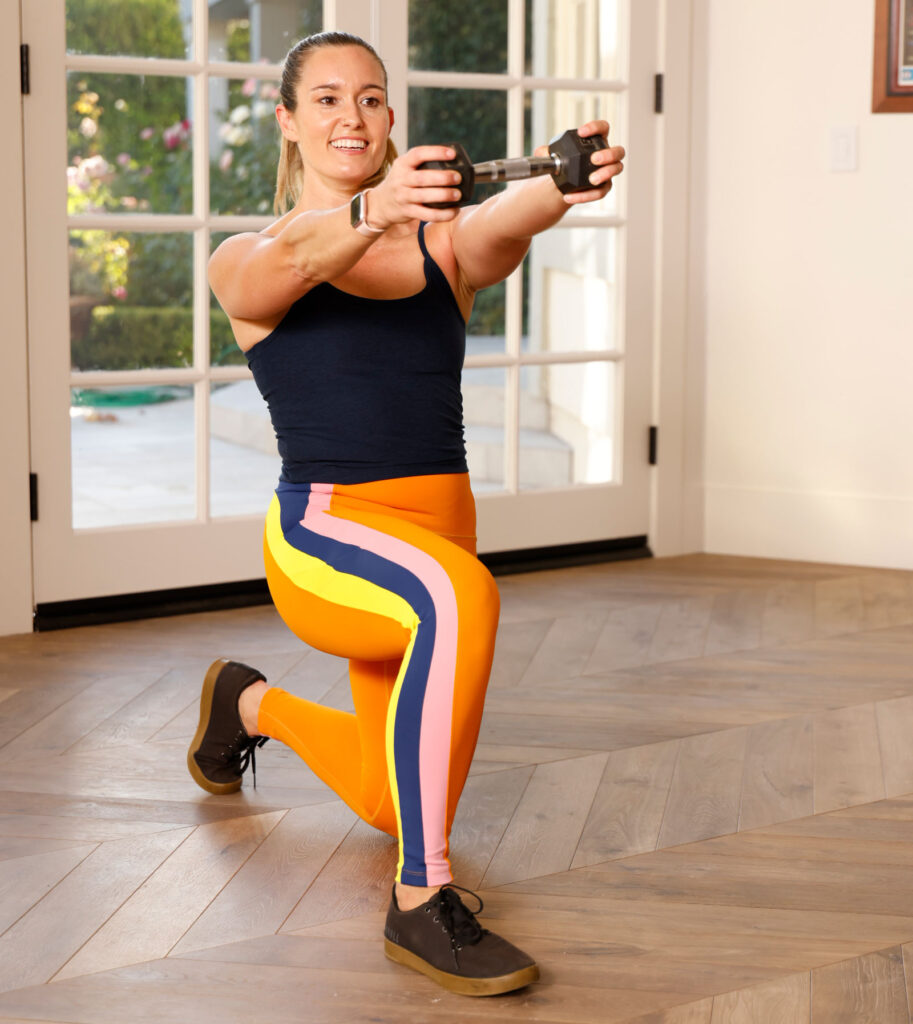
Short On Time?
These quick workouts are under 20 minutes and combine mobility and strength to improve range of motion, stability, and power. Perfect for busy days or when you just need a quick fitness boost.
The Takeaway
Exercise snacks aren’t a shortcut or a replacement for a well-rounded fitness routine. Strength training, cardiovascular exercise, mobility, balance and recovery all have important roles to play.
But exercise doesn’t have to happen in one long, perfectly planned session to matter.
A few minutes before work. A quick walk after lunch. A set of squats between meetings. A short MPC workout when that’s all you have time for.
Those moments count.
More importantly, they reinforce a habit that matters far more than any single workout: Keep moving.
Because when it comes to building strength and fitness for life, something really is better than nothing.