

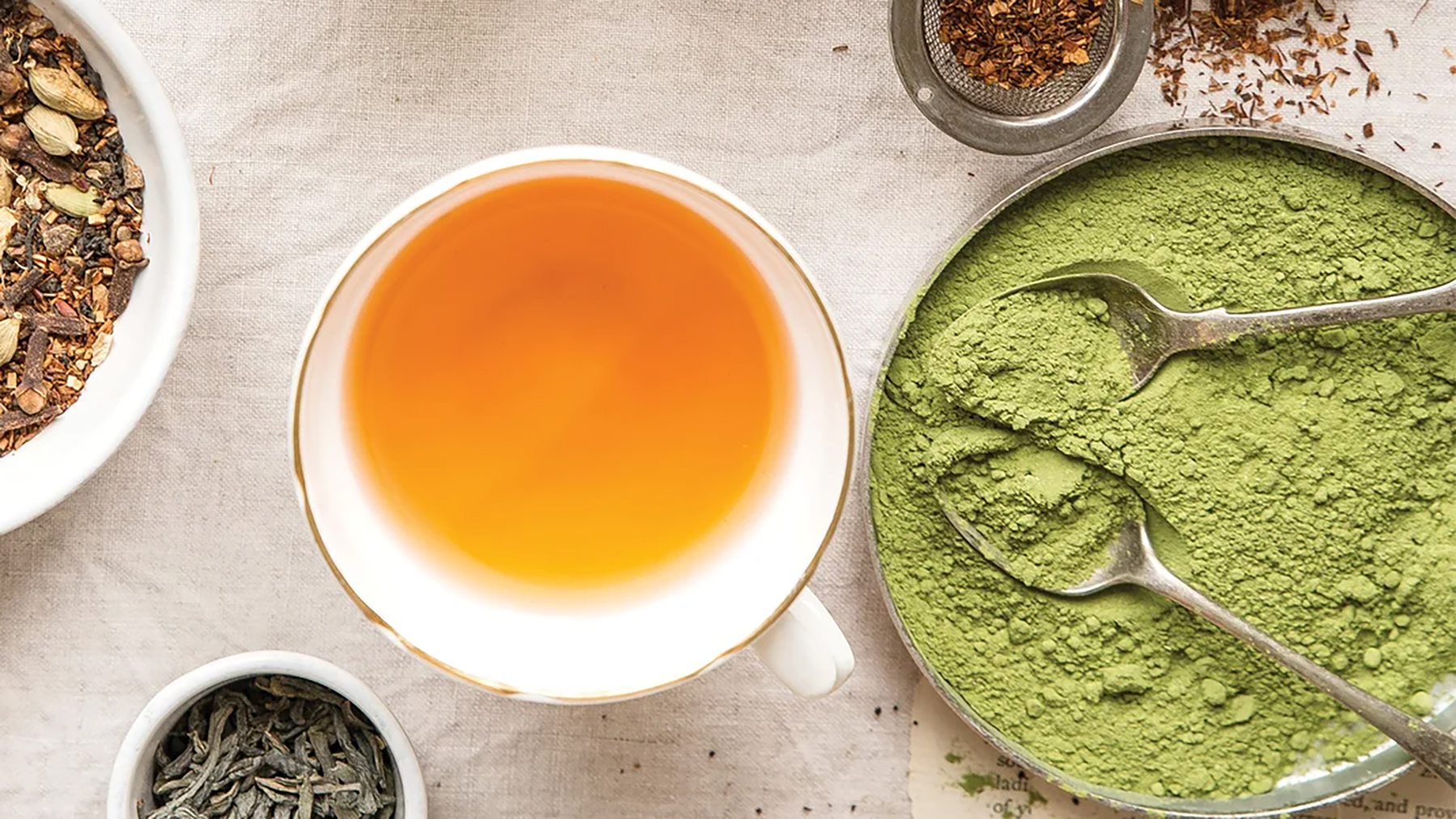
If you’re a fan of matcha lattes, you’ve already experienced this superfood powder. Matcha, literally meaning “powdered tea,” is made by grinding whole tea leaves into a fine powder.
Think of matcha as the superhero version of green tea. It’s packed with more beneficial compounds, including L-theanine, an amino acid known to promote relaxation and reduce stress. Studies show that matcha also delivers a powerful dose of antioxidants that fight disease. It even contains EGCG, a polyphenol with potential anti-cancer properties. And, like other unsweetened teas, drinking a few cups of matcha daily might help lower your risk of heart disease.
Unlike other teas, where the leaves are steeped and then removed, matcha involves grinding shade-grown green tea leaves into a vibrant powder. This powder is traditionally whisked with hot water and enjoyed in its pure, unadulterated form.
Matcha’s unique flavor profile also distinguishes it from other teas. While some might perceive it as grassy or slightly bitter, high-quality matcha, prepared correctly, boasts a rich umami flavor with a hint of sweetness.
Preparing matcha at a lower temperature and allowing it to steep slowly can help unlock its full flavor potential, resulting in a truly delightful cup.
Matcha’s Caffeine Content
A typical cup of matcha has around 30-40 milligrams of caffeine, but this can vary significantly depending on the specific brand.
Matcha generally contains more caffeine than other green teas. In fact, some types and brands of matcha can even have more caffeine than an equivalent amount of coffee.
However, matcha also contains the amino acid L-theanine, which contributes to a smoother, more sustained energy boost. This is why many people find the caffeine in matcha less jittery or intense compared to coffee or other teas. Some even enjoy matcha throughout the day, including in the evening, to promote a sense of calm and focus.
Here’s how it stacks up against coffee and other teas:
| Drink | Caffeine (per cup) |
| Japanese Matcha | 30–40 mg |
| Green Tea | 29 mg |
| Black Tea | 47 mg |
| Coffee | 92 mg |
The Benefits
Numerous studies on green tea reveal several science-backed health benefits. Matcha is packed with antioxidants, especially catechins, which are associated with potential benefits like reducing cancer risk and enhancing metabolic health.
It also features L-theanine, an amino acid known to foster relaxation and improve focus, offering a balanced energy boost.
With its potential to prevent various diseases and enhance cognitive function, enjoying matcha regularly could contribute to both your physical and mental well-being.
Matcha is High in Antioxidants
Matcha stands out for its high levels of catechins, which are powerful antioxidants found in tea.
Antioxidants help neutralize harmful free radicals, which can damage cells and contribute to chronic diseases.
Although matcha leaves contain fewer catechins than other green teas due to their shaded growth, the unique preparation method of dissolving the powdered leaves in water unlocks three times the amount of catechins.
Studies have shown that matcha supplements can protect against free radical damage and boost antioxidant activity in mice.
By incorporating matcha into your diet, you can increase your antioxidant intake, potentially safeguarding your cells and lowering the risk of various chronic illnesses.
It May Enhance Cognitive Function
Research suggests that green tea consumption can help reduce the risk of cognitive decline, which is particularly common after age 65. These cognitive issues can impact various areas, including learning, memory, movement, language, attention, and problem-solving abilities.
They encompass a range of conditions, from mild cognitive impairment to more severe disorders like dementia, Parkinson’s disease, and Alzheimer’s disease. Studies indicate that a higher intake of green tea is associated with a greater protective effect against such cognitive problems.
It May Help Reduce Cholesterol
A 2020 research review found that healthy-weight individuals who regularly consumed green tea had notably lower levels of both total cholesterol and LDL cholesterol. LDL cholesterol is often referred to as “bad” cholesterol because it can contribute to the buildup of plaque in arteries, increasing the risk of heart disease.
It May Support Metabolism
Certain compounds in matcha may play a role in metabolic health by influencing how our bodies process fats and carbohydrates. Matcha could also potentially contribute to lower blood glucose levels and improved insulin sensitivity.
Research has suggested that consuming matcha regularly might enhance the body’s ability to burn fat during exercise.
While most studies highlighting the metabolic benefits have focused on green tea rather than matcha specifically, they come from the same plant and share similar compounds. Evidence suggests that green tea extracts, when combined with a healthy diet and exercise, can help reduce body weight and waist circumference.
It May Reduce Blood Pressure
Studies have linked green tea consumption to a significant reduction in both systolic and diastolic blood pressure readings. This effect was even more pronounced in individuals with pre-existing high blood pressure or other risk factors for heart disease. The positive impact on blood pressure is partly attributed to green tea’s ability to promote blood vessel relaxation, resulting in improved circulation and decreased inflammation.
Related: Matcha Smoothie