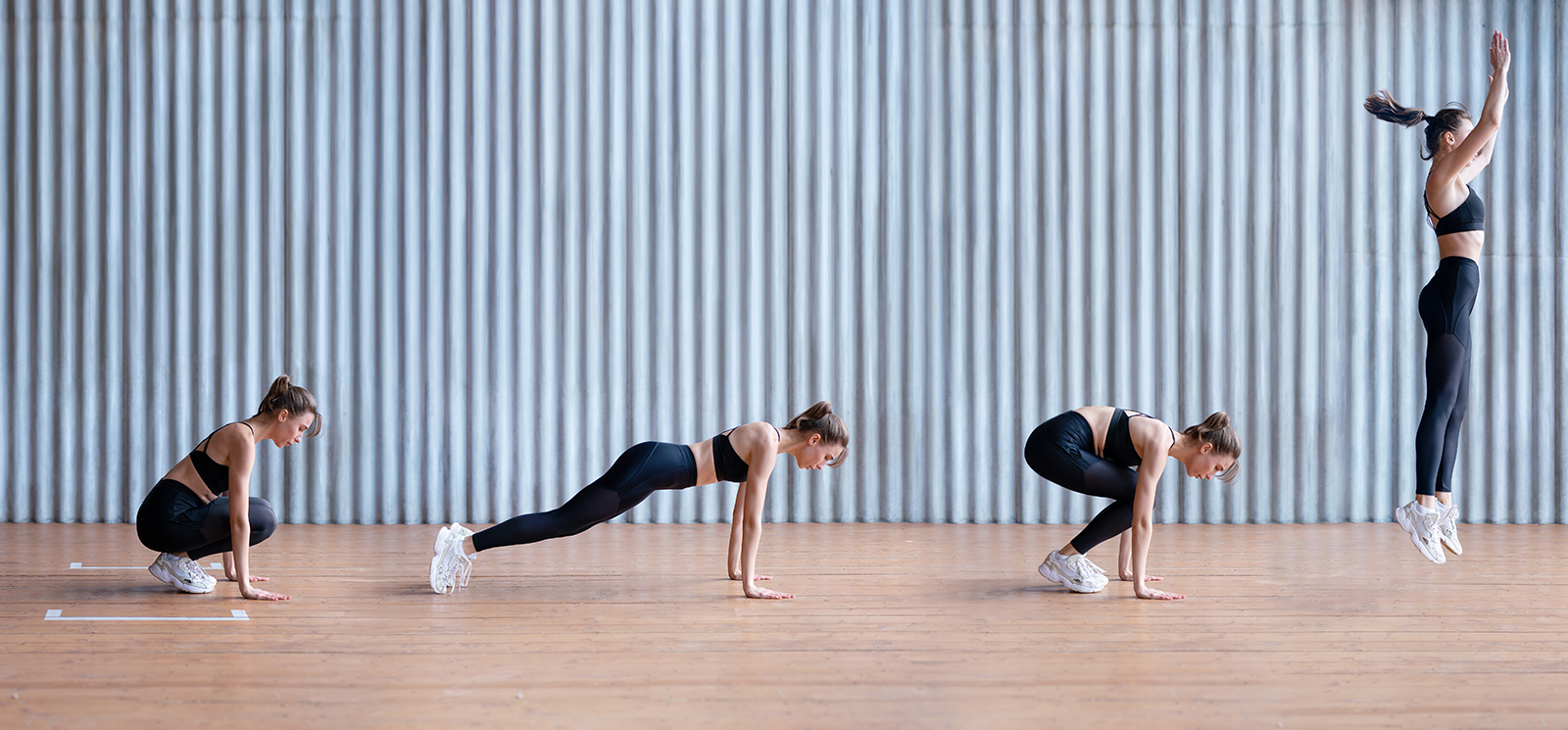


Feeling stuck in a workout rut? Weighted vests offer a simple yet effective way to shake things up, adding intensity and variety to your routine. They’re ideal for boosting bodyweight and resistance exercises, and can even amp up your walks, runs, or hikes.
Essentially a tactical or fishing-style vest with weight pockets, they provide evenly distributed resistance across your torso, unlike a backpack. Weights can be adjusted to meet your needs, typically ranging from 5 to 68 kilograms.
While incorporating a weighted vest into your training can offer a multitude of benefits, it’s important to be aware of certain precautions. Let’s delve deeper into how to safely and effectively use weighted vests, plus how to choose the right one for you.
The Benefits of Weighted Vests
Weighted vests add resistance to your workouts, making your body work harder and burn more energy with each movement.
Research even backs this up: a study found that people wearing vests with 10% of their body weight burned significantly more calories than those with lighter vests or no vests at all.
Increases Your Workload
If you’re looking to add some variety and challenge to your low-impact workouts like walking, consider incorporating a weighted vest. It’s a fantastic way to increase the intensity without adding stress to your joints.
Studies also show that weighted vests can boost strength in both bench press and push-up performance. Similar improvements have been noted when adding weight to traditional resistance training and explosive exercises like power cleans.
Related: Do You Know Squat?
Improves Bone Density
The additional weight from a vest places gentle stress on your bones, which can contribute to improved bone density. For individuals over 65 who are walking for weight loss, wearing a weighted vest can help counteract the potential loss of bone mass that sometimes accompanies weight loss efforts.
Builds Muscle
Incorporating weight training into your routine helps build muscle and rev up your metabolism. By adding a weighted vest to your walks, you essentially turn a simple stroll into a weight-bearing exercise, boosting leg strength and contributing to an increase in lean body mass.
Improves Cardio
Adding a weighted vest to your walking routine elevates the aerobic intensity, boosting your heart rate and increasing how much oxygen you use. This extra challenge helps improve your cardiovascular endurance over time.
Who Should Not Use A Weighted Vest
While weighted vests offer numerous benefits, they aren’t suitable for everyone. Consult your healthcare provider to determine if using a weighted vest is appropriate for you, especially if you have any existing medical conditions. Generally, individuals with the following conditions should avoid weighted vests:
- Neck and back injuries: The spine and neck are closely linked, so any added strain on one can impact the other. If you have an existing neck or back injury, like degenerative disc disease, the additional weight from a vest could worsen your condition.
- Chronic injuries or chronic pain: While strength and endurance training can help prevent injuries and reduce chronic pain, a weighted vest might be too strenuous for some. The additional weight could put excessive stress on muscles, joints, and bones, potentially exacerbating existing pain or leading to new injuries.
- Pregnancy: The vest might feel uncomfortable with a growing belly, and the added weight could put unnecessary strain on the body during pregnancy.
How to Train With a Weighted Vest
If weighted vests are new to you, start light. You’ll likely tire out faster during cardio and need fewer reps for strength exercises.
To get the most out of your vest, choose activities where you’re moving your body against its weight. Running with a 12-pound vest will be more beneficial than cycling with it. Similarly, exercises like squats and pull-ups provide better resistance than seated options.
To reduce injury risk, avoid movements that strain your lower back, such as bent-over rows or stiff-leg deadlifts.
How often you use the vest depends on your fitness level. Beginners should start with 1-2 times a week, while experienced athletes might handle 2-3 sessions.
Remember, it’s all about gradual progression and listening to your body.
Related: Strong Bones for a Strong You