

Earth Day is a great reminder to care for our planet, but why limit it to just one day? With simple, sustainable practices, you can make a difference all year.
- Eat local. Processed food in the U.S. travels over 1,300 miles, while fresh produce takes about 1,500 miles to get to your table. That’s a lot of carbon emissions from transport, storage, and refrigerating. Eating local is an easy way to make a difference. By supporting farmers’ markets and locally owned restaurants, you’re getting fresher, tastier food and reducing your carbon footprint. Plus, organically grown vegetables are free from pesticides, taste better, and have more nutrients.
- Consider eating less meat. It’s estimated that it takes 1,800 gallons of water to raise a single pound of beef; on average, it takes about three pounds of grain. As the world’s population expands and the meat demand is higher than ever, studies have shown that eating more plants or following a plant-based diet is great for reducing your own eco-footprint. Reducing your meat consumption in any way – whether you’re eating one or two plant-based meals per week, cutting back on the amount of animal-based products you consume, or sticking to Meatless Mondays – is a sustainable act. Research suggests that even if you change your diet in small ways and eat just a little less meat, you can contribute to large-scale environmental benefits.
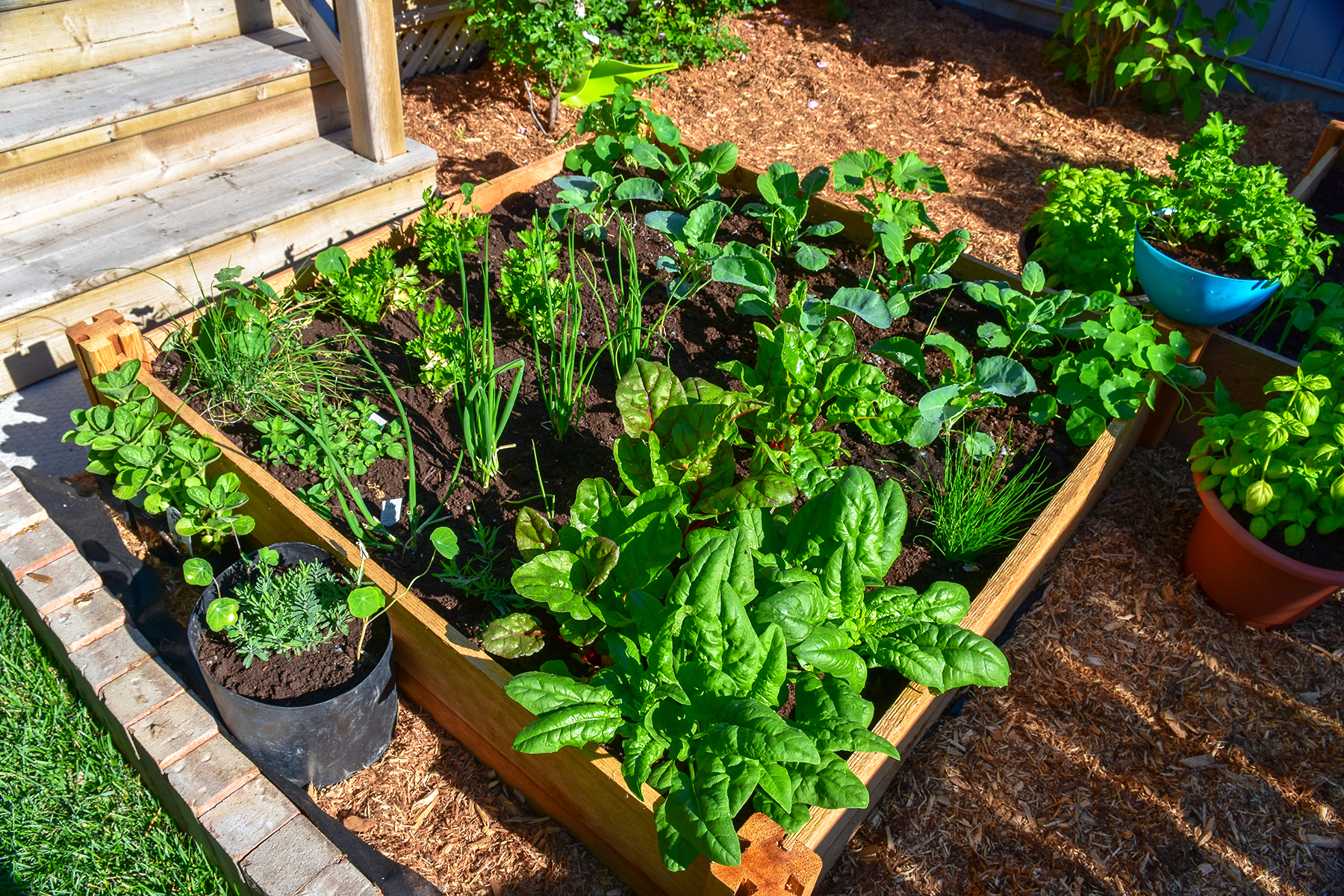
- Plant an edible garden. Reliance on pesticides, industrial fertilizers, and excessive tillage are hallmarks of large-scale food production. These practices have significant negative impacts on soil health and the environment. You don’t need a lot of space to get started. Pick a small patch in your backyard, or set up a few containers on your balcony. Plant a few vegetables and herbs, and you’ll have fresh veggies all summer.
- Use food scraps to grow more food. Turn kitchen scraps into garden gold! Regrow veggies from leftovers or create rich compost for a thriving garden. Fresh herbs and produce right at home? That’s money in your pocket and a whole lot of deliciousness.
- Compost. Composting and gardening go hand in hand. Food waste is a huge environmental issue. The Environmental Protection Agency estimates that in 2019, 66 million tons of food was wasted, and 60% of that was sent to landfills, which generates methane and other gasses that affect climate change. Composting is like nature’s recycling program. It’s the process of breaking down organic materials like food scraps, leaves, and grass clippings into a rich soil amendment called compost. By turning waste into compost instead of trash, you’ll send less to your local landfill. That, in turn, takes up less valuable space and limits the release of methane – a greenhouse gas contributor to climate change. This is critically important because human-created methane is responsible for at least 25 percent of today’s global warming. You can learn more about composting from our partner World Wildlife Foundation.
- Plant trees: At the current deforestation rate, the world’s rainforests could completely disappear by 2100. Forests trap carbon dioxide and prevent soil erosion but are home to the most diverse ecosystems. Planting trees can help improve air quality, reduce erosion in our soil, and reduce pollution while also giving wildlife a home. Plant a couple of leafy trees on the south and west sides of your home to shield your house from the scorching summer heat. You won’t have to run the AC nearly as much in a few years. The tree will shed its leaves in winter, allowing plenty of sunshine and natural heat. To learn more about reforestation, visit our charity partner, One Tree Planted.
- Leave the car at home. Did you know that the average U.S. driver purchases 522 gallons of gasoline a year? That adds 5.22 tons of carbon dioxide to our atmosphere. Whenever possible, walk or ride your bike to avoid carbon emissions. Plus, you get a bonus workout while doing something good for your health.
- Watch your water usage. In the U.S. we’re are lucky to have access to some of the safest drinking water in the world. But the average American family uses more than 300 gallons of water per day at home. Small tweaks like shortening your shower, turning off the water while you brush your teeth, and only running the dishwasher when it’s full, go a long way toward reducing water consumption.
- Replace your bulbs. Replacing incandescent light bulbs with an energy-efficient LED lightbulb can help reduce greenhouse gas emissions. According to the Department of Energy, LEDs use up to 90% less energy and last up to 25 times longer than traditional incandescent bulbs.
- Donate Your Lightly Used Clothes. Instead of throwing out clothing you no longer want, donate it to your community for people to use so they don’t go to waste. Donation centers and shelters are a great place to start. Or if you’re looking for a fun, free, and eco-friendly way to refresh your wardrobe, plan a clothing swap with friends. Plus, it’s a great way to connect with friends and neighbors.
Read More: The Plastic Problem