

By Maureen Farrar
One of the beautiful aspects of yoga is its accessibility — you can practice virtually anywhere with little more than a mat. However, to truly unlock the full potential of your practice and cater to your body’s unique needs, consider embracing the world of yoga props. Blocks, bolsters, and straps may seem like simple tools, but they offer a wealth of benefits that can enhance your experience on the mat, regardless of your level of expertise.
From deepening stretches to improving alignment and providing support, props can revolutionize your yoga journey.
The Benefits of Yoga Props
I admit when I first started practicing yoga, I dismissed props as unnecessary crutches. “I’m bendy and flexible,” I thought to myself. “I don’t need these.” However, when I did my first yoga teacher training in my 40s, my wonderful and wise teachers suggested that it was precisely because I was so bendy, with knees and elbows that hyper-extended, that I should embrace props.
Honestly, I can’t imagine my practice without them now. Poses that used to be a struggle or even painful suddenly became comfortable. I’m pretty sure using props regularly has also helped me avoid injuries.
Props open up yoga to everyone, no matter how flexible or experienced you are. They’re your key to perfect poses. Deeper stretches, better alignment, and extra support — it all adds up to a safer, more effective practice. If you’re just starting out, props are your best friend. They make those tricky poses approachable and keep you injury-free.
Props Act As An Extension of the Body
Think of yoga props as an extension of your own body. Walls, blocks, chairs, cushions, blankets, and straps help you achieve proper alignment and unlock a wider range of motion. For example, blocks can elevate the floor in standing poses, making them more accessible for those with tight hamstrings or less flexibility. By closing the gap between you and the mat, props provide the support you need to safely explore and experience the full benefits of each pose, even those that may have seemed out of reach before.
Props Can Improve Alignment
Want better alignment in your yoga poses? Props are your answer. They bring stability and support, helping you find the perfect position, no matter your skill level. It’s like having a personal guide for your body. You’ll learn what good alignment feels like, and your poses will get better over time.
Props Can Enhance Your Relaxation
Yoga is about more than just moving your body — it’s a journey inward towards stillness and mindfulness. Props can really help with that; they create a space for you to unwind and recharge. Imagine sinking into a restorative pose with a bolster, blanket, or eye pillow; it’s pure bliss. The props support you, tension melts away, and you’re left feeling deeply relaxed. That’s the magic of props – they help calm your mind, too.
Props Make Yoga More Accessible
The beauty of props is that they make yoga accessible to everyone, regardless of their strength, flexibility, or physical limitations. Props offer modifications and adaptations that allow anyone to participate and enjoy the benefits of yoga. From seniors to those recovering from injuries, pregnant women to beginners, props create a safe and inclusive space where each individual can customize their practice to meet their unique needs.
Related: 4 Yoga Myths Debunked
Types of Yoga Props
Yoga Blocks
Yoga blocks, usually made from foam or cork, are a must-have in any yoga practice. They’re super versatile and can be used in tons of different poses.
For standing poses where you need to reach the ground, blocks bridge the gap between your fingertips and the mat. This helps you maintain good form without straining your muscles or rounding your back. They’re also a lifesaver in balancing poses, offering a bit of extra support when the floor feels far away.
Another cool thing about blocks? You can hold or squeeze them to activate specific muscles. It’s like a physical cue to help you get deeper into the pose.
Placing a block between your thighs in different postures can help your feet remain hip-distance apart. In Bridge pose, for example, pressing into that block keeps your knees in line with your ankles. It also helps engage your muscles in Mountain Pose. And in poses like Triangle, where I tend to hyperextend my knees, placing my hand on a block instead of reaching all the way down provides stability and prevents injuries.
Yoga Straps
Straps are versatile tools that extend your reach, particularly in poses requiring arm length. Yoga straps come in a variety of lengths but are usually several feet long with a metal loop at one end. They help yogis maintain good form and hold postures safely, even with tight muscles or limited flexibility. Use them long, looped, or even combine multiple straps for additional length.
Straps can also take some of the work off of your muscles. In Seated Forward Fold, you can wrap a strap around the balls of your feet and hold one side of the strap in each hand while you gently pull yourself toward your feet. This allows you to keep a straight back as you reach forward, promoting a good stretch without the strain. If your shoulders are tight (like mine), you can hold it wider than shoulder-width and gently stretch your shoulders.
Yoga Bolsters
Yoga bolsters are versatile cushions that come in various shapes, sizes, and firmness levels to suit individual preferences. Although primarily associated with restorative and yin yoga, bolsters can enhance comfort in any yoga practice without compromising the effectiveness of the poses. They can even be used as a softer, and sometimes more stable, alternative to blocks.
One of the main benefits of bolsters is their ability to promote relaxation in muscles not directly targeted by a pose. In a Seated Wide-Legged Forward Fold, for instance, holding the torso upright can be challenging. Hugging a bolster provides support, allowing the upper body to relax while still deeply stretching the legs.
Blankets
Yoga blankets aren’t just for cushioning your knees in kneeling poses; they can be folded or rolled to modify various postures and provide extra comfort, especially in restorative practices. If blocks feel too high or rigid, blankets offer a softer, adjustable alternative. You can shape them to create the perfect level of support for your individual needs in any given pose.
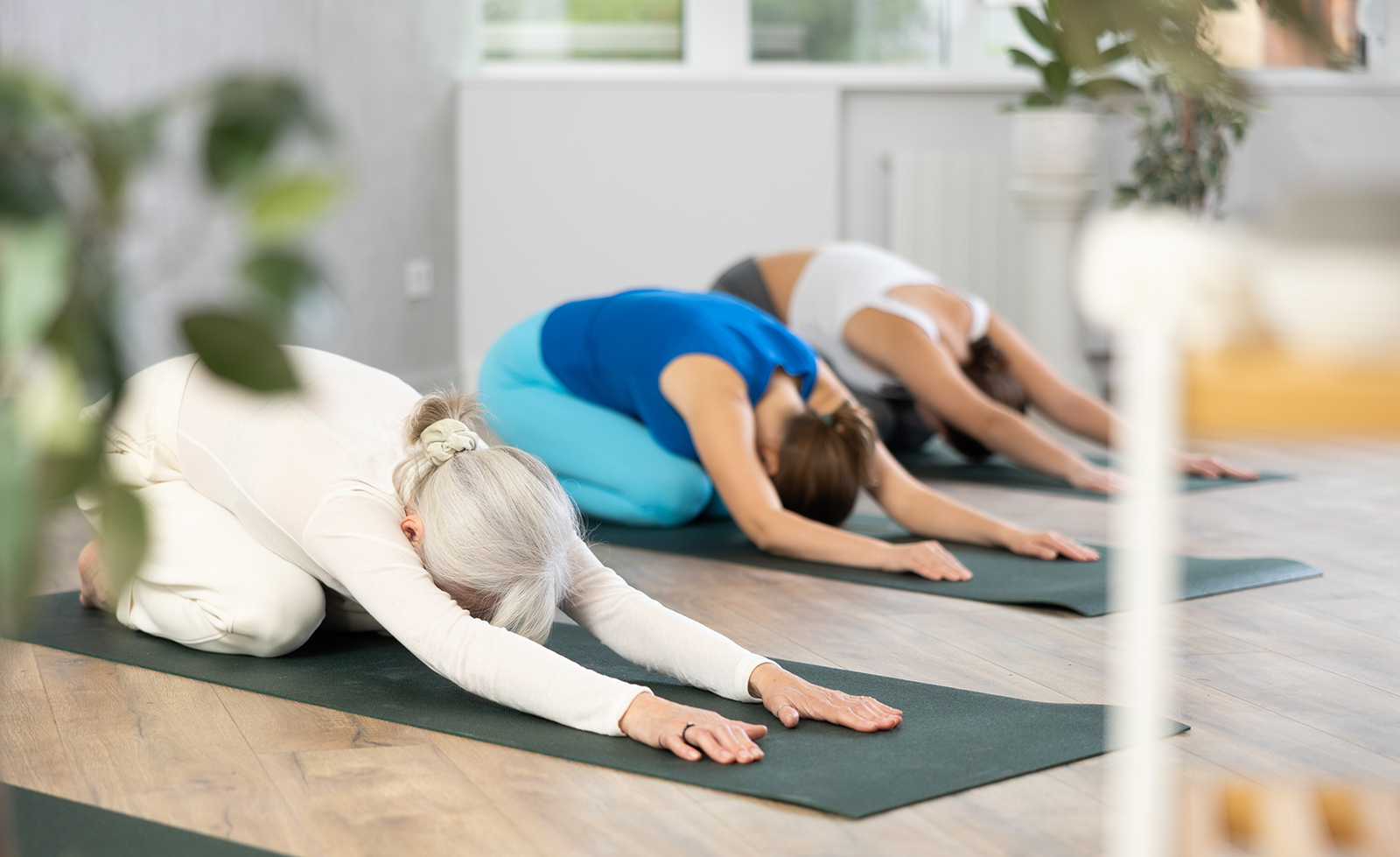
If your ankles are tight, place a rolled-up blanket under them in a Child’s Pose. Using a folded blanket under your seat in a cross-legged pose may help reduce the strain on your hip flexors, allowing you to sit up straighter.
Discover the Power of Yoga
Whether you’re brand new to yoga or have been practicing for years, the right support can make all the difference. Explore our collection of yoga classes and find a practice that works for your body, your schedule, and your goals.