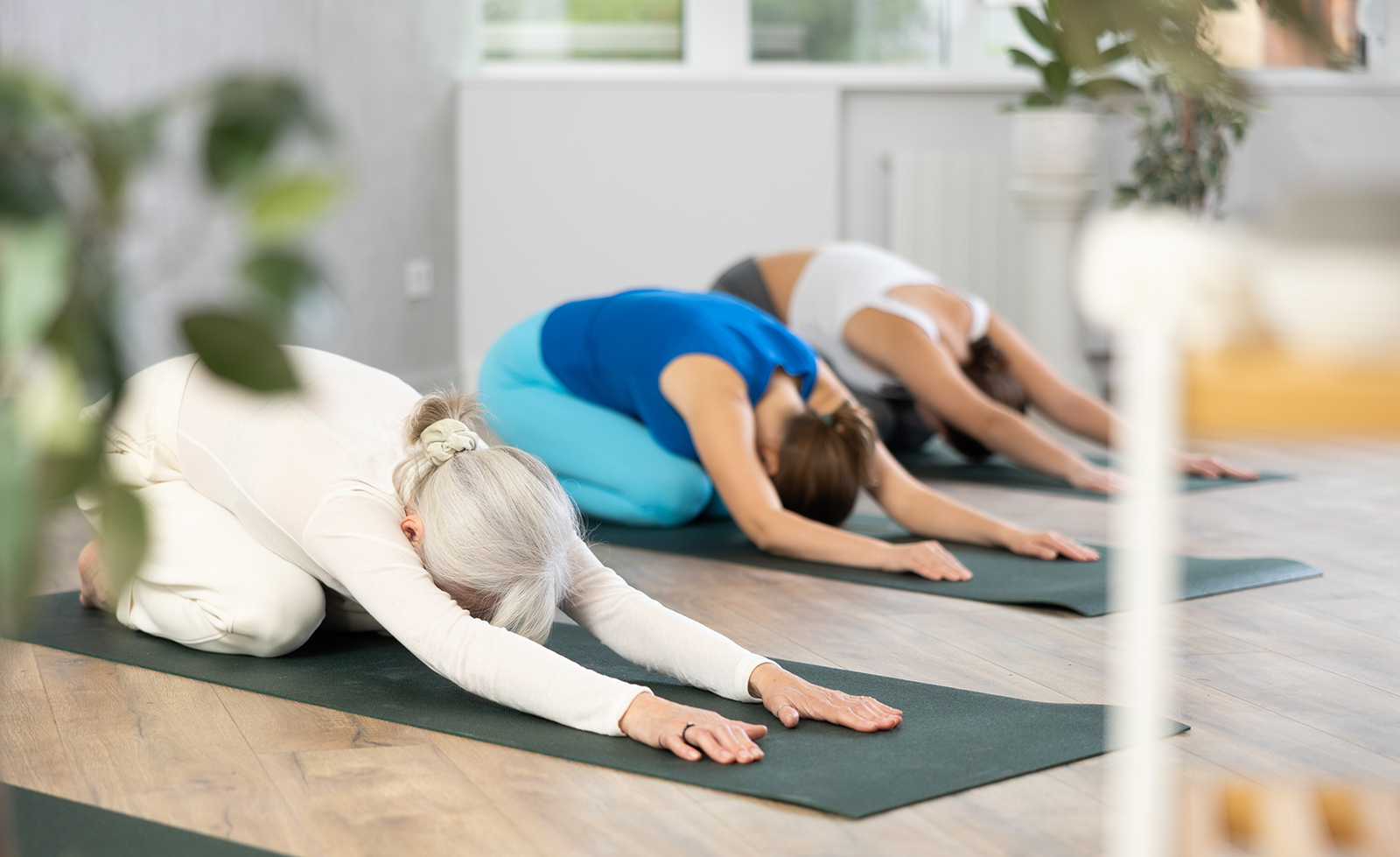


Yoga: it’s the image of serene yogis twisting themselves into pretzel-like poses, right? Or maybe it’s a room full of zen-like individuals chanting “om.” While those images might have some truth to them, there are a lot of misconceptions surrounding yoga that often keep people from even stepping onto the mat. “I’m not flexible enough,” “It’s just stretching,” or “It’s too spiritual for me” are common refrains.
But let’s set the record straight: yoga is for everyone, regardless of your flexibility, fitness level, or spiritual beliefs. It’s a versatile practice that offers a multitude of benefits for both body and mind.
Let’s dispel some of the most common misconceptions about yoga and uncover the truth behind this ancient practice. Get ready to roll out your mat and discover the incredible possibilities that await you on your yoga journey.
Myth 1: I’m Not Flexible
Let’s be honest, social media is full of yogis bending and twisting in ways that seem almost impossible. It’s easy to feel intimidated and think yoga is only for those who are already super flexible. But here’s the truth: you don’t need to be flexible to start yoga. In fact, yoga is a fantastic way to improve your flexibility and mobility.
Think of it this way: you don’t lift weights because you’re already strong, right? You lift weights to get stronger. The same goes for yoga. Everyone starts somewhere, and every pose can be adjusted to fit your current level of flexibility.
Whether you’re a beginner or a seasoned athlete, yoga is a great way to improve your range of motion and feel more comfortable in your body. You’ll definitely notice a difference in your flexibility with consistent practice; in fact, most people start feeling more limber after just a few weeks of regular yoga.
Myth 2: Yoga Is Just a Collection of Stretches
When you think of yoga, stretching might be what comes to mind. Sure, it warms up your muscles before exercise, helps them recover afterward, and keeps you moving freely as you age. But the benefits of yoga go far beyond that.
Scientific research has shown that yoga can actually boost your heart and lung function. It’s also been proven to reduce anxiety and depression, and can even be helpful in managing addiction.
Yoga is a truly holistic practice, connecting mind, body, and spirit. It helps you develop a deeper awareness of your inner self—how your body feels and what it needs. This mindful awareness allows you to make wiser choices and respond more effectively to physical and emotional needs.
Related: How Bedtime Yoga Can Make You Sleep Better
Myth 3: Yoga is a Religious Practice
While yoga has historical connections to Hinduism and Buddhism, you don’t need to follow any specific religious beliefs to practice it. You can absolutely enjoy yoga purely for its physical and mental benefits without embracing any spiritual aspects.
However, yoga often encourages a sense of peace and purpose, which some people might connect to spirituality. If that’s not your cup of tea, look for classes and instructors that emphasize the physical side of yoga. There are plenty of options out there that focus on strength, flexibility, and mindfulness without delving into any spiritual or religious themes.
Myth 4: Yoga Is Only For People With Good Balance
As we age, it’s natural for our balance to decline. Changes in our vision, reflexes, muscle strength, and even our inner ear can make us a bit less steady on our feet. This can increase the risk of falls, which can be a major concern, especially for older adults.
The good news is that we can take steps to improve our balance and reduce the risk of falls. Staying active is key, but it’s important to choose the right kind of exercise. We need to focus on activities that build both strength and flexibility, and yoga fits the bill perfectly.
Research shows that regular yoga practice can help people over 60 improve their balance and mobility safely and effectively. By practicing basic standing and seated yoga poses, participants saw improvements in their balance without any negative side effects.
With just one or two yoga sessions a week, you can start to see positive changes in your balance and mobility. In fact, most people in those studies noticed improvements within a few months. And the best part is yoga is accessible to seniors and people of all fitness levels. Adaptive yoga or chair yoga can be helpful for older adults or people with injuries who are less mobile or are concerned with balance.
Yoga isn’t about achieving the perfect pose or adhering to any specific belief system. It’s about connecting with your body, finding inner peace, and cultivating a sense of well-being. No matter your age, fitness level, or flexibility, yoga welcomes you with open arms. So, let go of the myths, embrace the journey, and discover the transformative power of yoga today.
DISCOVER THE POWER OF YOGA
Ready to experience the transformative power of yoga? Roll out your mat and discover inner peace and strength. Explore our variety of classes and find your perfect flow today.