
By Shoshana Pritzker, RD, CDN, CISSN, LDN
What you eat has the power to shape how you train, recover, and feel day to day. The right nutrition plan doesn’t just fuel your workouts—it supports your strength, endurance, and progress over time. Whether your goal is to build muscle, boost performance, or simply feel more energized, consistency matters more than perfection. Small, steady choices made over time can make all the difference. Here’s how to fuel your body to get the most out of every workout.
Eating for Your Workouts
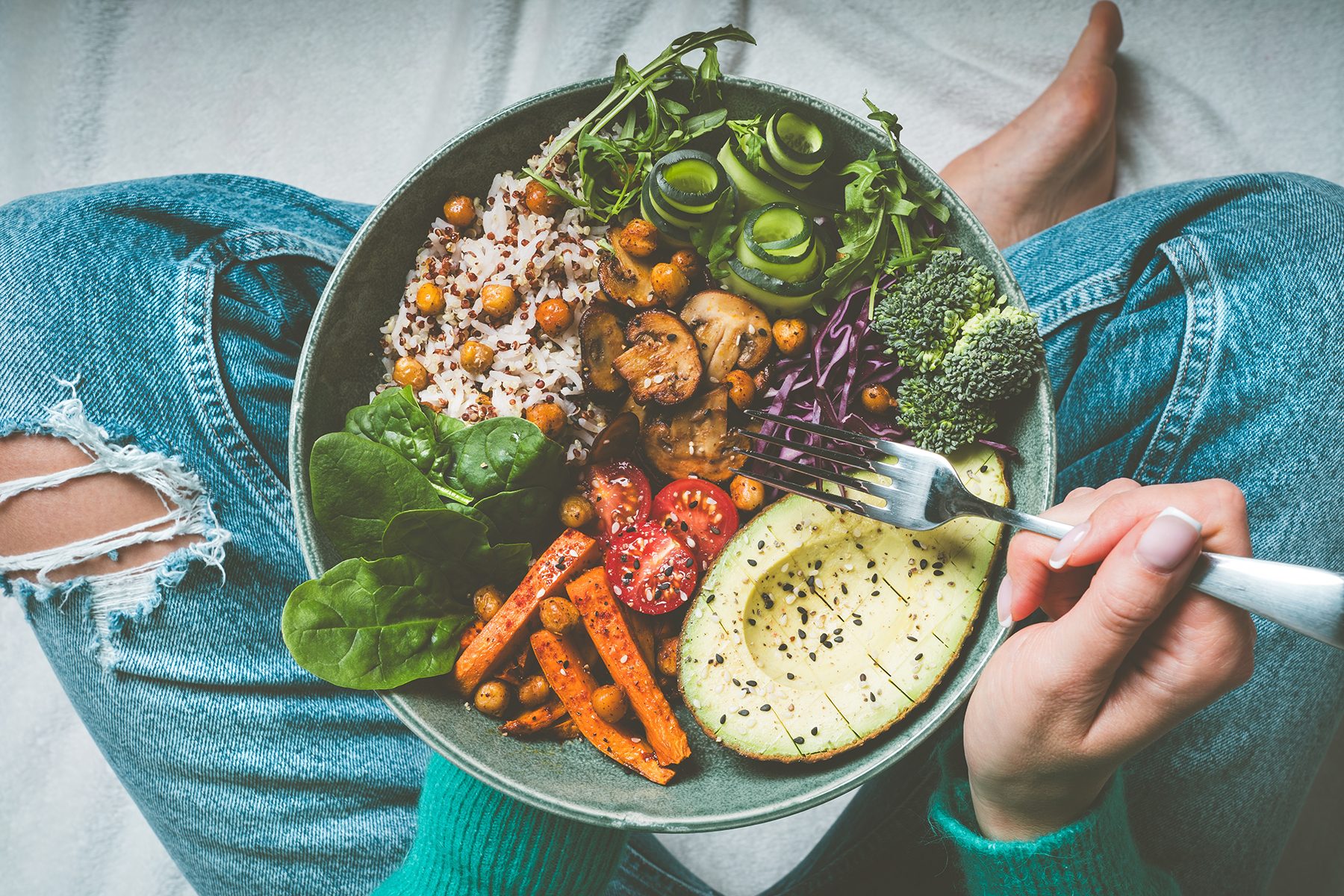
What you eat throughout the day directly affects how you move, recover, and perform. A balanced plate filled with protein, carbohydrates, healthy fats, fruits, and vegetables gives your body what it needs to stay energized, strong, and satisfied. Each macronutrient plays a unique role, and when they work together, they help you get the most out of every workout.
Protein
Protein is made up of amino acids. It’s these amino acids that are responsible for almost every function in the body. There are nine essential amino acids — histidine, isoleucine, leucine, lysine, methionine, phenylalanine, threonine, tryptophan, and valine — that must be readily available in your diet. Protein helps build muscle, reduces muscle soreness after a workout, and helps you maintain a healthy body weight by promoting fat loss and increasing satiety after a meal. When satiety cues are met during a meal, you’re more likely to stop when you’re full and less likely to overeat.
Carbohydrates
Carbohydrates are your body and brain’s preferred source of fuel. When you eat foods like bread, rice, or pasta, the body breaks them down into glucose, a simple sugar that travels through your bloodstream and powers your muscles and brain. As glucose enters your blood (often called blood sugar), your pancreas releases insulin, a hormone that helps move glucose out of the bloodstream and into your cells, where it’s converted to usable energy.
If you eat simple carbohydrates (those low in fiber, like white bread or pasta), your body digests them quickly, leading to a rapid rise in blood sugar and a quick burst of energy — helpful for endurance sports or long training sessions. Complex carbohydrates (like whole grains and beans) digest more slowly, providing a steady, sustained source of energy that helps you stay fueled for the long haul.
Fat
Dietary fat is an essential macronutrient, meaning the body cannot make it on its own. We need dietary fat to provide the fatty acids necessary for the absorption of fat-soluble vitamins A, D, E, and K. All of which are used in cellular processes that keep you healthy and happy.
Fruits and Vegetables
Fruits and vegetables are packed with vitamins, minerals, and antioxidants that fuel the immune system, protect against chronic disease, certain cancers, and type 2 diabetes. They’re also important for maintaining a healthy body weight. Fruits and vegetables are low in calories, but pack plenty of nutrients. Think of fruits and vegetables as adding bulk to meals — the portion is larger, but the calories are not. They also provide prebiotic fiber that promotes fullness, supports healthy bowel movements, and improves blood sugar.
What Happens When You Undereat
While eating in a calorie deficit can be beneficial in the short term, reducing your daily calories too much and for too long can be detrimental to your fitness goals.
Muscle Breaks Down and Strength Takes a Hit
When you’re in a calorie deficit, your body isn’t getting the nutrition it needs to fuel even the simplest of tasks. So when calories are scarce, the body will pull from its own stores (muscle and fat) to keep energy levels consistent.
Energy Dips and Motivation Follows
Since calories provide energy, not eating enough will leave you feeling sluggish and tired. Your body is breaking down muscle to access energy, is conserving energy, and also releasing hormones, including cortisol, that can contribute to the lack of energy you’re feeling.
Recovery Slows and Injuries Sneak In
Undereating puts you at greater risk of injury. When calories are low, the fuel you do provide is prioritized for vital functions, and consequently, energy is diverted away from non-essential functions like recovery and reproductive function to prevent further weight loss.
Training and Nutrition Strategies for Strength Over 40
Muscle loss is part of aging. Fueling your body with plenty of calories and protein while focusing on regular strength training will help prevent or delay the inevitable. Here’s what you need to know:
Lift Heavy and Often
Building muscle is the secret to feeling and looking younger. Studies suggest the benefits of strength training over 40 include improved bone density, hormonal and metabolic levels, and reduced risk of chronic disease, but the rep ranges matter. Focusing on heavy lifting shows the most promise. Aim to incorporate 2 to 3 days of strength training per week. Choose 2 to 3 exercises per muscle group and perform three sets for 6 to 8 reps with about a minute rest in between. If you can reach 8 reps easily, increase the weight for the next set.
Related: Why You Should Lift Weights If You’re Over 40
Create Balance and Focus On Protein
It’s more important than ever to nourish your body with a balance of nutrients that meet your daily calorie needs. Leaving out any one food group or skimping on portions can leave you feeling unsatisfied and more likely to overeat later in the day. Instead, use the plate method: fill one-third of your plate with protein, one-third with carbohydrates, and the remaining third with fruits or veggies. Aim for 20 to 30 grams of protein with each meal.
Hit Your Fiber Goals
The daily recommended intake of fiber for adults is at least 25 grams for women, and at least 38 grams for men. Most Americans are getting about half of that. Fiber is not only good for healthy bowel movements, it’s also associated with reduced inflammation and a better insulin response with aging. Fiber serves as food for your gut bacteria. This helps improve the bacterial composition and, in turn, creates an optimal environment for healthy bacteria to thrive and enhance metabolic health. Plus, a high-fiber diet has been shown to boost brain health and prevent cognitive decline in older adults.
Start by reading labels to determine how much fiber you’re already consuming. Make simple swaps at the grocery store for higher-fiber options, focus on whole grains, and incorporate at least 3 servings of fruits and veggies per day.
Related: What People Over 40 Need to Know About Muscle
3-Day Strength and Muscle-Building Meal Plan
Day 1
Breakfast: 3 eggs (cooked to your liking) + 1 slice toasted sourdough bread topped with ¼ mashed avocado, 1 teaspoon hemp seeds, and a sprinkle of coarse sea salt + 1 kiwi
Lunch: 3 ounces canned solid white tuna in water (drained) mixed with 1 tablespoon mayonnaise + 1 whole-grain wrap + 2 medium celery sticks sliced + 1 medium pear
Snack: 1 protein shake + 1 medium apple + 2 tablespoons natural peanut butter or almond butter
Dinner: 4 ounces grilled chicken breast + 1 cup (139 grams) cooked wheat pasta + 2 tablespoons marinara sauce + 5 large asparagus spears (grilled or sauteed)
Nutrition: 1,707 calories | 117 grams protein | 176 grams carbohydrates | 36 grams fiber | 66 grams fat
Day 2
Breakfast: 1/3 cup (27 grams) dry oats cooked in 1 cup (240 mL) low-fat milk topped with 2 tablespoons hemp seeds, ¼ cup (36 grams) blueberries, 1 ounce (28 grams) cashew pieces, a dash of salt and cinnamon
Lunch: 2 slices whole-wheat or sourdough bread + 4 ounces turkey + 1 tablespoon mayonnaise + sliced tomato and lettuce + 1 kiwi
Snack: 5.3 ounces (150 grams) plain low-fat Greek yogurt + 1 peach cubed + 1 tablespoon honey or maple syrup + 1 ounce (28 grams) cashew or walnut pieces
Dinner: 4 ounces grilled sirloin steak + 1 baked potato topped with 1 tablespoon whipped butter + 1 cup (91 grams) steamed broccoli
Nutrition: 1,760 calories | 111 grams protein | 170 grams carbohydrates | 25 grams fiber | 77 grams fat
Day 3
Breakfast: 1 multi-grain bagel topped with 2 tablespoons whipped cream cheese and 3 ounces smoked salmon
Lunch: 3 ounces grilled chicken + 3/4 cup (118 grams) cooked white rice + ¼ cup (63 grams) black beans + 2 tablespoons salsa + 1 cup (56 grams) shredded lettuce + ¼ cup (28 grams) shredded mexican blend cheese + ¼ avocado, diced
Snack: Protein Smoothie: 1 scoop (~⅓ cup/33 grams) protein powder + 1 tablespoon peanut butter + 1 frozen banana + 1 cup (240 mL) lowfat milk + ice; blend until smooth
Dinner: 3 ounces grilled shrimp + 1 cup (185 grams) cooked quinoa + 1 medium salad with veggies of choice topped with 2 tablespoons light dressing of choice
Nutrition: 1,688 calories | 128 grams protein | 192 grams carbohydrates | 26 grams fiber | 49 grams fat

Your Goals, Your Ratios
Use our simple guide to calculate your macros and fine-tune your meal plan for better results.
Fuel Your Goals
With A Plan That Works
At My Peak Challenge, we give you the structure, support, and community to help you train smareter, fuel better, and feel stronger every day.