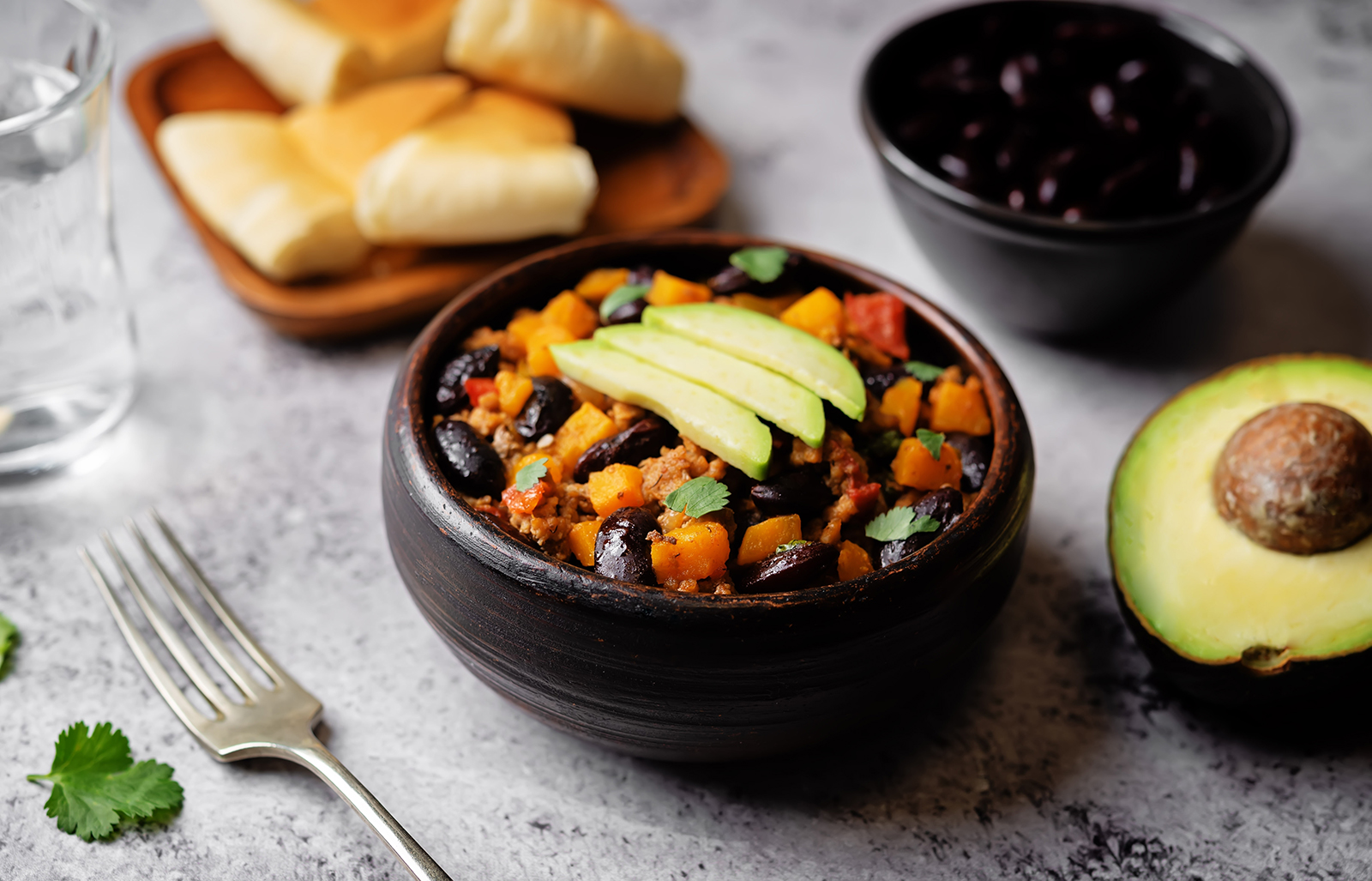

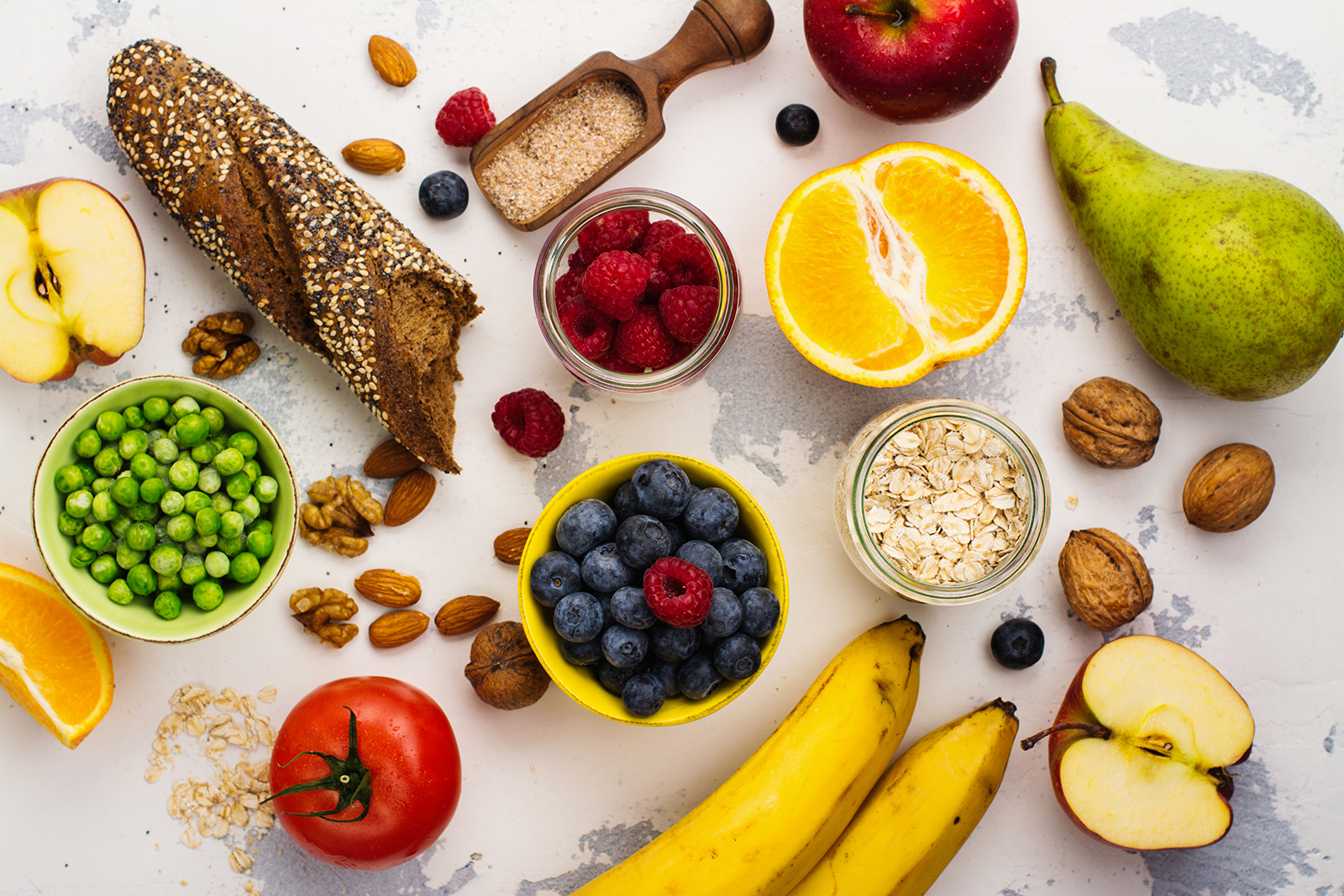
If you pay attention to nutrition, chances are you’ve spent some time thinking about macros. How much protein are you getting? Should you eat fewer carbs? Is your diet too high in fat?
But a major new scientific statement from the American College of Cardiology (ACC) suggests there may be a better question to ask:
What foods are those macros actually coming from?
Published in JACC in September 2026, the statement reviews current evidence on nutrition and cardiovascular health, drawing on randomized controlled trials, prospective cohort studies, meta-analyses and clinical guidelines.
And while there’s plenty of science behind its recommendations, the takeaway is surprisingly simple: When it comes to long-term health, the quality, source and degree of processing of the foods you eat may matter more than hitting a particular ratio of protein, carbohydrates and fat.
That means looking beyond the numbers and paying more attention to what’s actually on your plate.
Food Quality Over Macro Math
For years, nutrition advice has often centered on individual nutrients: Eat less fat. Cut carbs. Get more protein.
But nutrition research has increasingly shifted toward studying whole foods and overall dietary patterns. According to the ACC statement, cardiovascular risk is influenced more by food source, nutritional quality and degree of processing than by the relative percentage of protein, fat and carbohydrates in the diet.
Consider carbohydrates.
A bowl of oatmeal, a cup of lentils and a sugary drink all contain carbohydrates, but they don’t have the same nutritional impact. Whole grains, beans, fruits and vegetables bring fiber, vitamins, minerals and other beneficial plant compounds along with those carbs. Refined grains and foods high in added sugars generally don’t.
Fat works much the same way. The ACC recommends replacing sources of saturated fat with unsaturated fats from foods such as olive and other liquid plant oils, nuts, seeds and fish. Research consistently shows that making that substitution can lower LDL cholesterol and cardiovascular risk.
In other words, simply tracking grams of carbs or fat tells you only part of the story.
When it comes to long-term health, the quality, source and degree of processing of the foods you eat may matter more than hitting a particular ratio of protein, carbohydrates and fat.
What About Protein?
Protein has become one of the biggest nutrition conversations of the moment, and for good reason.
Protein is essential for maintaining and building muscle, and getting enough becomes especially important as we get older and work to preserve strength and function.
But that doesn’t necessarily mean that more is always better.
The ACC statement raises questions about applying very high protein targets to everyone. It notes that much of the evidence supporting higher protein recommendations has come from studies involving people with overweight or obesity who were trying to lose weight, making it difficult to know whether the same targets should automatically apply to the entire adult population.
The report also emphasizes something that often gets lost in the protein conversation: where your protein comes from matters.
For cardiovascular health, the ACC recommends emphasizing more plant-based sources of protein, such as beans, lentils, nuts and seeds, while limiting red and particularly processed meats. Fish can also be part of a heart-healthy dietary pattern.
This doesn’t mean you have to become vegetarian. The ACC describes a “plant-forward” diet as one that prioritizes vegetables, fruits, whole grains, legumes and other plant foods while still allowing smaller amounts of meat, fish and dairy.
Think of it less as removing foods and more as changing the proportions on your plate.
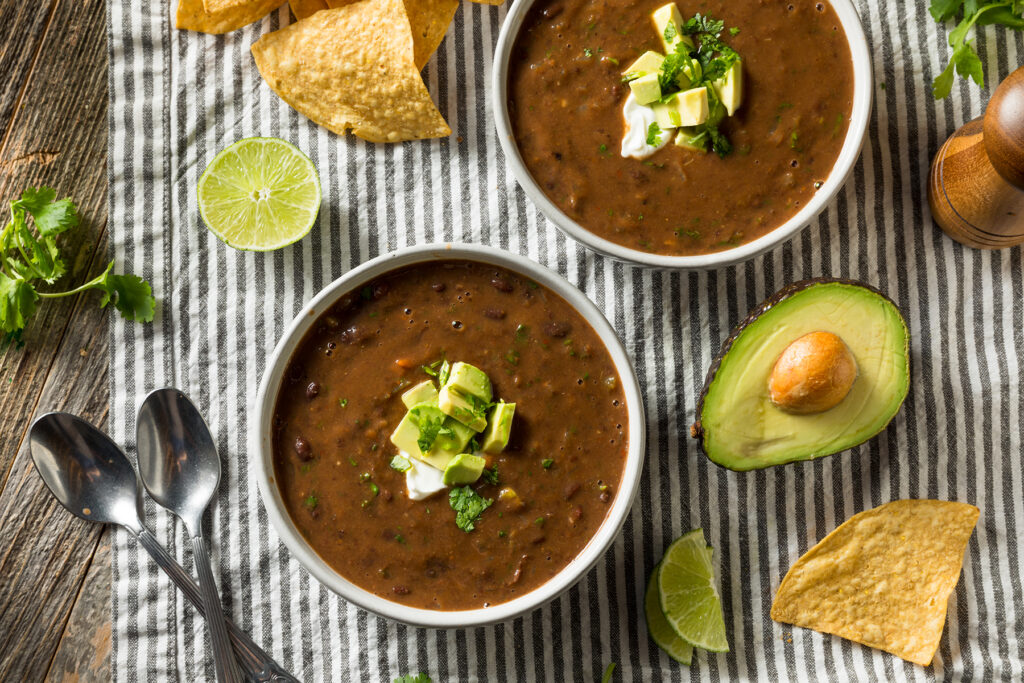
You don’t have to overhaul your diet to eat more plant-forward. In Structuring Food: Punching Up Plant-Based Protein, we break down simple ways to add more plant-based protein to your meals while still building a balanced plate that supports your nutrition and training goals.
The Nutrient Most of Us Aren’t Talking About Enough
While protein gets plenty of attention, another nutrient is quietly being overlooked: fiber.
According to the research reviewed by the ACC, only about 6% of Americans meet recommended fiber intake. Average daily intake is approximately 15 grams for women and 17 grams for men.
So how much should we be getting? Recommendations vary somewhat by country and age, but 25 to 30 grams or more per day is widely recommended for adults, according to a 2022 review published in The BMJ. Those recommendations were originally established based on the amount of fiber needed to support normal bowel function and cardiovascular health, although growing research suggests fiber’s benefits may extend further, including supporting a healthy gut microbiome.
That leaves a pretty significant fiber gap for most of us.
And fiber does much more than keep you regular.
Higher-fiber diets are associated with improvements in LDL cholesterol, blood pressure and blood sugar as well as lower risks of coronary heart disease, stroke, cardiovascular mortality and all-cause mortality.
Fiber-rich foods also tend to deliver plenty of other nutritional benefits. Beans and lentils provide both fiber and plant protein. Nuts and seeds provide fiber alongside unsaturated fats. Fruits, vegetables and whole grains deliver fiber along with vitamins, minerals and other beneficial plant compounds.
Rather than worrying about adding a fiber supplement or finding a food marketed as “high fiber,” the ACC recommends getting more from foods such as legumes, whole grains, fruits, vegetables, nuts and seeds.
How Much Fiber Is in Your Food?
You don’t need to overhaul your diet to increase your fiber intake. Adding a few fiber-rich foods throughout the day can add up surprisingly quickly.
| Food | Serving | Fiber |
|---|---|---|
| Beans & Legumes | ||
| Navy beans, cooked | 1/2 cup | 9.6 grams |
| Split peas, cooked | 1/2 cup | 8.1 grams |
| Lentils, cooked | 1/2 cup | 7.8 grams |
| Pinto beans, cooked | 1/2 cup | 7.7 grams |
| Black beans, cooked | 1/2 cup | 7.5 grams |
| Chickpeas, cooked | 1/2 cup | 6.2 grams |
| Fruits & Vegetables | ||
| Raspberries | 1 cup | 8 grams |
| Artichoke, cooked | 1 medium | 6.5 grams |
| Pear, with skin | 1 medium | 5.5 grams |
| Green peas, cooked | 1/2 cup | 4.4 grams |
| Apple, with skin | 1 medium | 4.4 grams |
| Sweet potato, with skin | 1 medium | 4.8 grams |
| Whole Grains | ||
| Whole-wheat spaghetti, cooked | 1 cup | 6 grams |
| Barley, cooked | 1 cup | 6 grams |
| Quinoa, cooked | 1 cup | 5 grams |
| Oatmeal, cooked | 1 cup | 4 grams |
| Air-popped popcorn | 3 cups | 3.5 grams |
| Nuts & Seeds | ||
| Chia seeds | 1 ounce | 10 grams |
| Pumpkin seeds, whole, roasted | 1 ounce | 5.2 grams |
| Almonds | 1 ounce | 3.5 grams |
Fiber amounts are approximate and can vary by variety, preparation and brand.
The goal isn’t to find the single food with the most fiber. It’s to include different sources throughout the day.
For example, oatmeal with raspberries and almonds at breakfast could provide roughly 15 grams of fiber—before lunch even rolls around.
Don’t Fear Every Processed Food
The ACC statement also adds some welcome nuance to another popular nutrition conversation: ultra-processed foods.
Higher consumption of certain ultra-processed foods has been associated with greater risk of obesity, diabetes and cardiovascular disease. But the authors caution against treating every food classified as ultra-processed as nutritionally identical.
The strongest evidence of harm is associated with foods such as sugar-sweetened beverages and processed meats and with foods high in refined starches, added sugars, sodium or unhealthy fats.
Some foods classified as ultra-processed, including certain whole-grain breads, yogurts and breakfast cereals, have actually been associated with lower risks of type 2 diabetes and cardiovascular disease.
So rather than making “processed” another word for “bad,” look at the whole food. What nutrients does it provide? Is it high in fiber? Does it contain a lot of added sugar, sodium or saturated fat? What role does it play in your overall diet?
Once again, food quality matters.
You Might Also Like: A Guide to Popular Diets
A Pattern, Not a Perfect Diet
Perhaps the most reassuring message in the new statement is that there isn’t one perfect diet.
Mediterranean, DASH, vegetarian and other plant-rich eating patterns have all demonstrated cardiovascular benefits. They aren’t identical, but they have a lot in common: plenty of vegetables and fruits, whole grains, legumes, nuts and seeds; unsaturated rather than saturated fats; and fewer processed meats, refined grains and sugar-sweetened foods and drinks.
That leaves plenty of room for personal preference, culture, budget and real life.
And that’s probably the bigger lesson here.
Nutrition doesn’t have to be an endless exercise in optimizing numbers. Protein matters. Carbohydrates matter. Fat matters. But those numbers don’t tell you everything about the quality of your diet.
Instead of asking whether you’ve hit the perfect macro split, start with a few simpler questions: Am I eating enough plants? Am I getting fiber throughout the day? Where is my protein coming from? Am I choosing whole grains more often? Could I swap some saturated fats for unsaturated ones?
Those small decisions, repeated meal after meal, may tell you much more about the quality of your diet than any macro tracker ever could.