
By Maureen Farrar
If you’re struggling with back pain, headaches, or everyday stress, an acupressure mat could offer some much-needed relief. Think of it like acupuncture, but without the needles! Instead, the mat uses tiny spikes to target pressure points, providing an all-natural way to ease your symptoms from the comfort of your home. Acupressure itself has roots in ancient Chinese medicine, and these mats bring its benefits into the modern age. They offer a convenient way to boost energy flow, release tension, and find a greater sense of well-being.
What Is An Acupressure Mat?
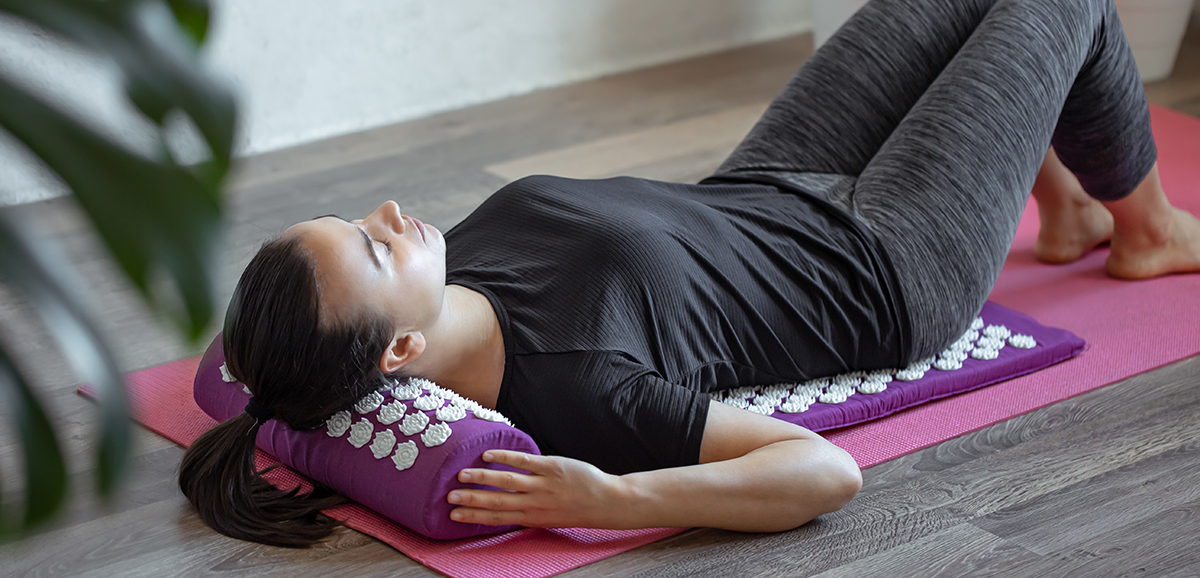
An acupressure mat, sometimes called a spike mat, is a padded mat covered in rows of plastic spikes that gently press into your skin without breaking it. You can stand, sit, or lie on the mat to target different areas of the body.
Based on the principles of traditional Chinese medicine, acupressure mats target specific pressure points (meridians). This aims to release tension, restore energy flow, and ease pain. Studies also suggest that this pressure can boost circulation, relax muscles, and even stimulate feel-good endorphins.
What Are the Benefits of Acupressure Mats?
Acupressure mats are a gentle, affordable, and easy-to-use alternative therapy with minimal side effects. While there’s lots of promising research about acupressure and acupuncture, studies specifically focused on mats are still emerging. Since mats target a broader area or multiple pressure points at once, their effects may differ slightly from a targeted acupressure session. However, their accessibility makes them a great place to start exploring this type of natural pain relief and relaxation.
Here are three potential benefits of using an acupressure mat: .
- Eases Muscle Tension and Helps You Relax: One study found that participants using these mats showed signs of improved circulation and a deep sense of relaxation – think lower heart rate and slower breathing.
- Relieves Chronic Pain: If you’re looking for natural ways to manage aches and pains, acupressure mats show promise. Small studies suggest they can ease chronic neck and back discomfort, but larger studies are still needed to confirm these findings. There’s also some evidence they can reduce foot pain, similar to the benefits of reflexology. While more research is always great, these early results are encouraging.
- Alleviates Chronic Headaches: Struggling with chronic headaches? An acupressure mat could offer relief. A study found that acupressure on key trigger points was more effective at reducing headaches than muscle relaxants. To target the head and neck area, look for mats that include a spiked cervical roll. This ensures those pressure points at the base of your skull get the attention they need.
How Do Acupressure Mats Work?
Acupressure mats are generally safe, but it’s essential to be aware of a few things. If you have diabetes, thin skin, bleeding disorders, open wounds, or poor circulation, it’s safest to avoid these mats or talk to your doctor first. Also, pregnant women should consult their healthcare provider, as acupressure could potentially induce labor.
Once you’ve got the green light, using an acupressure mat is straightforward. They typically look like spiked yoga mats, sometimes with a matching pillow for neck support.
Here are some tips for using an acupressure mat while lying down or sitting:
- Spread your mat out on the floor or a bed where you can lie comfortably. Or you can lay it over a chair to sit on it.
- You may want to wear a lightweight T-shirt, or use a thin sheet as a layer between you and the mat, to get accustomed to the feeling.
- Slowly sit or lie down on the mat, keeping your weight evenly distributed.
- After you get accustomed to the mat, remove your shirt or the sheet. Bare skin provides the best results.
- Studies have shown that pain from acupressure mat spikes peaks in 30 seconds and then typically diminishes. The tingling, warmth, or pulsating feeling you may experience at first should go away quickly.
- Take slow, deep breaths and try to relax.
- Start with 5–10 minutes and work up to 20-30 minutes on the mat daily.
- Don’t wiggle or shift too much when you’re on the mat to avoid scratching yourself.
- Allow yourself to relax, but don’t fall asleep on the mat.
Here are some tips for standing on your mat:
- You can start with socks and work up to bare feet.
- Stand still on the mat.
- You can also sit down in a chair and place your feet on the mat to start.
- Start with 5 minutes and work your way up.
Related: Tiny Tweaks for Big Chill