

By Shoshana Pritzker, RD, CDN, CISSN, LDN
In recent years, conversations about body image have undergone a significant shift. On one hand, the body positivity movement has helped many people embrace and appreciate themselves at every size. On the other hand, some people still struggle with the idea that wanting to lose weight for health, comfort, or confidence is somehow wrong. The truth is, it doesn’t have to be either/or.
When the desire to lose weight is tied to guilt or shame, it can fuel the same diet-culture cycles that leave people feeling restricted, frustrated, and stuck. But wanting to feel better in your body — whether that means having more energy, improving your health, or feeling stronger and more comfortable — is valid. The key is how you approach it.
It’s Ok to Want to Lose Weight. The Key Is How You Approach It
Letting go of dieting can feel scary. You might wonder: Does this mean I’ll gain weight? Not necessarily. At first, it’s normal to overeat when you’re finally allowing yourself to enjoy foods you’ve been avoiding. But that phase usually passes as you begin to trust yourself, listen to your body, and recognize what feels good to eat.
Instead of punishing yourself after an indulgent meal or rushing to start another restrictive plan, try giving yourself grace. Notice how the food made you feel, then choose something more nourishing next time. Over time, this approach helps you tune into your body’s real needs — and that shift makes it possible to enjoy the foods you love while still making progress toward your health and weight goals.
This is what’s known as an abundance mindset. It’s about focusing on what you can eat and how food supports your body, instead of obsessing over what you can’t have. That’s the foundation of a healthy relationship with food and the real key to food freedom.
Why Dieting Stress Keeps You Stuck
Even if you don’t feel outwardly stressed, restrictive dieting puts pressure on your body. That stress alone can be enough to stall progress and make healthy changes harder to sustain.
When your body senses calorie restriction, it produces more cortisol — a stress hormone linked to fat storage around the organs — and more ghrelin, the hormone that drives hunger and cravings. In other words, your biology starts nudging you toward overeating at the exact moment you’re trying not to.
Add to that the slowdown in metabolism that happens with prolonged calorie restriction, and suddenly the same plan that seemed to “work” at first feels like it’s working against you. That’s not failure on your part — it’s your body’s survival system kicking in.
This is why dieting often leads to cycles of “being good” followed by overeating or bingeing. You’re not weak; you’re responding to very real physiological stress. The more you restrict, the more stress builds, and the harder it becomes to feel in control. Shifting away from dieting toward balance is what helps break that cycle.
The Real Wins Go Beyond Weight Loss
Shifting your focus from the number on the scale isn’t easy — but it’s one of the most powerful changes you can make. You can still hold weight loss as a goal, but when it’s not the only thing that matters, you create space to notice other wins: more energy, greater strength, better sleep, and a healthier relationship with food.
Taking the pressure off the scale reduces stress and helps you stay consistent with the habits that actually move you forward. When your goals shift toward how you feel and what your body can do, you gain a sense of progress and empowerment that’s sustainable. And often, that’s when weight loss happens naturally — as a byproduct of caring for your body, rather than fighting against it.
Related: What Happens When You Don’t Eat Enough
3 Things You Should Do Instead
If dieting and restriction aren’t the answer, what actually helps? The key is building everyday habits that support your body, reduce stress, and make healthy choices feel natural. Here are three simple, sustainable shifts to focus on instead.
Fuel Your Body With Balanced Meals
Filling your day with balanced and nutritious meals and snacks that you enjoy will keep you full and satisfied, preventing you from overeating later.
Follow a simple meal plan that includes the foods you enjoy eating. Being consistent yet flexible with your nutrition will help you lose weight, maintain a healthy body weight, and foster a healthy relationship with food.
Remember these tips for healthy eating:
- Include 20 to 30 grams of protein at each meal
- Aim for at least 24 grams of fiber per day
- Create balanced meals that include a protein, carbohydrate, fat, and a fruit and/or vegetable
- Divide your body weight in half and drink that number in ounces of water daily
- Include “fun” foods in your day and make them normal — for example, add chocolate chips to your oatmeal, put your favorite kids’ cereal on top of Greek yogurt, or have a cookie with your lunch
- Aim to eat something every 3-4 hours, even if it’s not perfectly nutritious
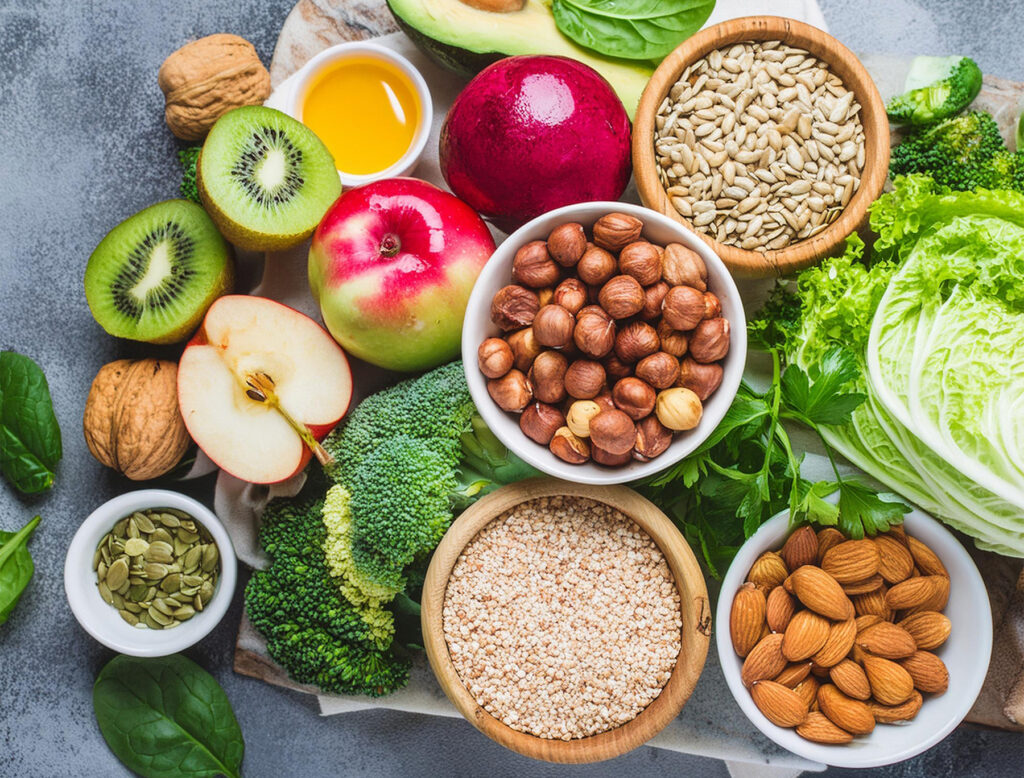
Fiber plays a powerful role in satiety, gut health, and long-term weight management — yet most people don’t get enough. Check out our course Nutrition Basics: The Facts About Fiber to learn why it matters and how to put it into practice.
Prioritize Restful Sleep and Stress Relief
Research suggests poor sleeping patterns can lead to increased calorie intake, mainly from snacking on high-fat and high-calorie foods. Some experts suggest a sleep range of 7 to 9 hours per night as sufficient to support good health in adults. Poor sleep and insomnia are also more common for high-stress people. If you’re stressed, your sleep will suffer.
Try these tips for better sleep and less stress:
- Create a wind-down routine in the evenings
- Set up a healthy sleep environment
- Turn off screens 30 minutes before bedtime
- Take 10 minutes daily to do something that reduces stress
- Get regular exercise
- Avoid caffeine after lunch
Related: Are You Getting Enough Sleep?
Celebrate Non-Scale Victories
It’s normal for your weight to fluctuate throughout the day. Regardless, seeing a number that’s not in line with what you were hoping for can put you in a negative headspace. Instead, focus on the many other ways progress shows up.
Look for these non-scale wins:
- You have more energy
- You’re being consistent with your nutrition routine
- You’re getting stronger in the gym
- You’re feeling well-rested and getting enough sleep
- You’re less stressed
- You can run further without getting winded
- Your clothes are fitting more comfortably
- You’re happier
Less Stress, More Care: The Healthier Way Forward
In the end, lasting progress isn’t about restriction — it’s about self-care. By fueling your body with balanced meals, prioritizing rest and stress relief, and celebrating non-scale victories, you shift the focus from pressure and frustration to wellness and empowerment. That shift not only supports your health, it makes the journey more enjoyable.
Letting go of the diet mindset can feel scary at first, but it opens the door to more energy, confidence, and peace with food. And when you focus on caring for your body instead of punishing it, weight loss often becomes a natural byproduct — not the main event. The real reward is feeling better in your own skin and living with more ease, strength, and joy.
Fuel Smarter With MPC
Eating enough — and eating right — is the foundation for lasting results. My Peak Challenge gives you the tools, meal plans, and community support to make nutrition simple, sustainable, and effective. Join today and discover how good it feels to fuel your body, not fight it.