

By Maureen Farrar
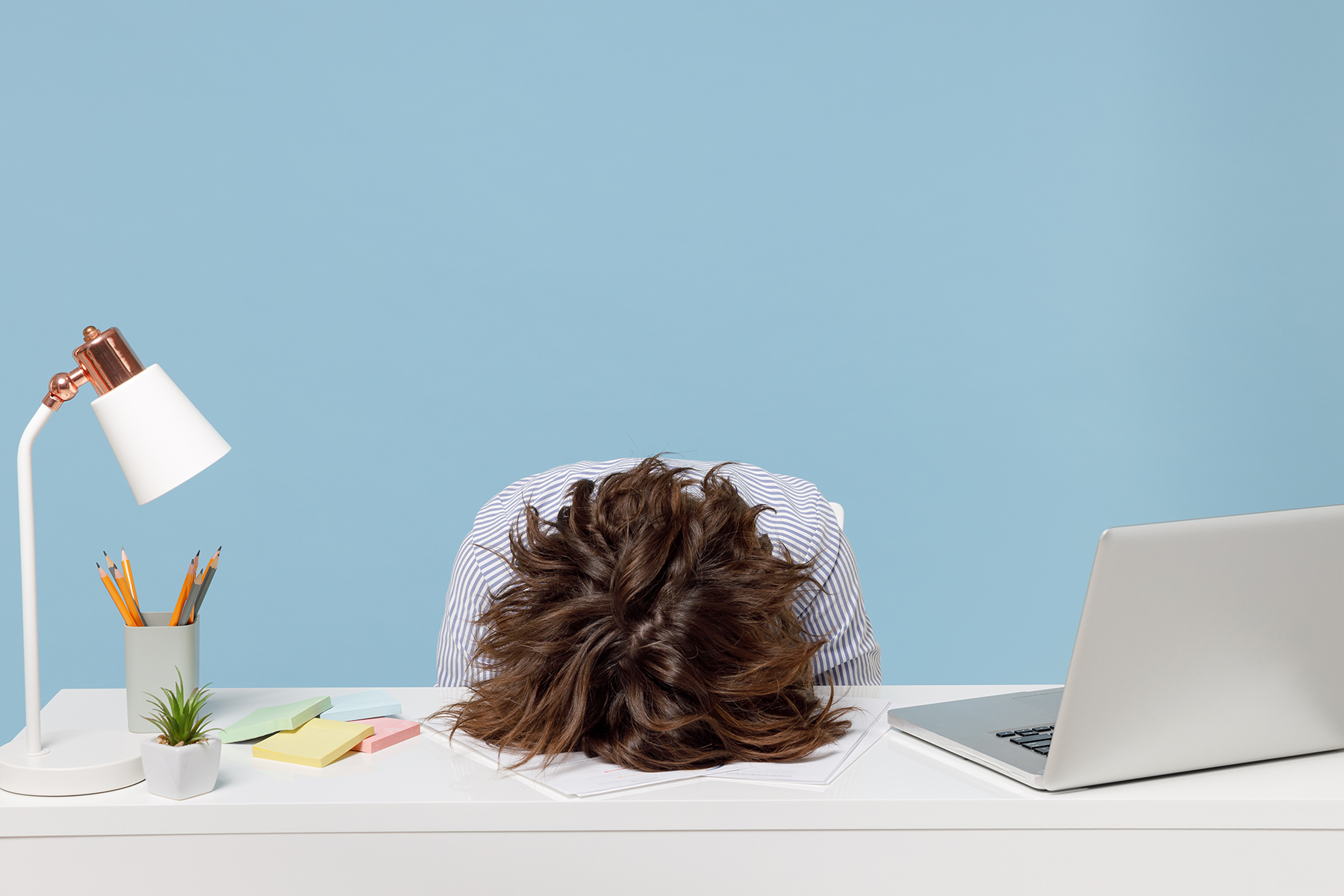
If it feels like everyone you know is stressed out lately, you’re not imagining things. A new global survey from Headspace found that nearly two-thirds of U.S. adults feel stress or anxiety at least once a week. The UK results aren’t far behind. Stress has become the default state of mind for many of us.
But here’s the real headline: while most people are experiencing stress, the majority don’t have a daily mental health routine to manage it. Instead, we’re turning to Netflix binges, social media scrolls, or simply shutting down. These coping habits may offer a temporary distraction, but they don’t actually help us recover.
So what’s going on — and more importantly — what can we do about it?
What’s Driving Our Stress?
The Headspace report surveyed over 10,000 adults in the U.S. and UK. The top stressors won’t surprise anyone in the MPC community:
- Money and finances (50% in the U.S., 36% in the UK)
- Uncertainty about the future (42% U.S., 41% UK)
- General health and wellness worries (about one-third of adults in both countries)
Location and timing play a role, too. In the U.S., people report feeling more stressed at home than at work, with evenings and bedtime being peak anxiety moments. In the UK, home tops the stress list as well, followed closely by social gatherings and the workplace. Gen Z and millennials especially report higher levels of anxiety triggered by news feeds, politics, and even concerns about AI.
In other words, stress doesn’t wait for the “big stuff.” It can hit anywhere, anytime.
Why Mental Health Routines Matter
Almost half of Americans say they have a consistent physical health practice—like exercise. But only 28% have a daily mental health routine. The numbers are even lower in the UK (14%). That gap matters because while our bodies need training, so do our minds.
Jenna Glover, PhD, Chief Clinical Officer at Headspace, puts it this way: “Stress is a natural part of life. The problem is that we’ve normalized living with high levels of chronic stress, which isn’t sustainable. We need periods of rest and recovery to balance those inevitable peaks of stress.”
The takeaway: stress will always be there, but we can create healthier rhythms so it works for us—not against us.
Related: How to Manage Stress
Fast-Acting Stress Relief: The TIPP Toolkit
Here’s the good news: stress doesn’t have to control your day. Headspace has shared a set of quick, science-backed practices adapted from dialectical behavior therapy (DBT). Each one is designed to calm the body in under five minutes:
- Temperature: Cool your system with an ice pack on your neck or a splash of cold water.
- Intense Exercise: Do a few pushups, burpees, or jumping jacks to burn off the stress surge.
- Paced Breathing: slow, steady breathing to bring the nervous system back to balance.
- Progressive Muscle Relaxation: tense and release different muscle groups to let go of tension.
Think of these as “micro-practices.” They’re quick, discreet, and can be done at your desk, before bed, or even after a tough conversation. Instead of doomscrolling, you can use a tool that actually helps.
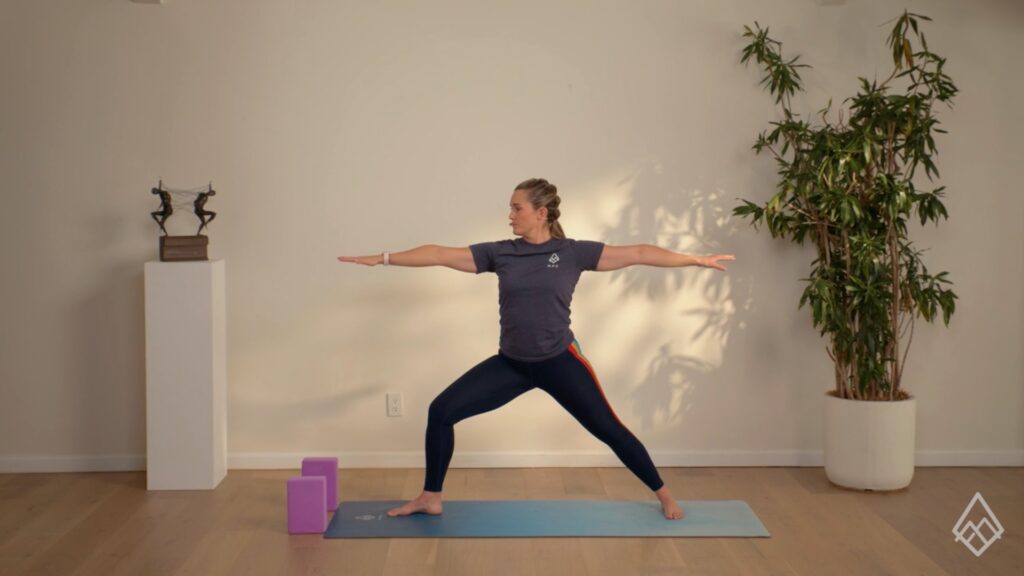
Need a reset? Gentle yoga offers low-impact movement, soothing stretches, and mindful breathing to help melt away stress.
The Bigger Picture
The bigger takeaway here isn’t about downloading another app—it’s about remembering that stress management is a skill, not a luxury. Just like strength training or meal planning, caring for your mental health is something you can practice daily.
Quick techniques like the TIPP method remind us that relief doesn’t always require an hour-long meditation or a weekend away. Sometimes, it’s as simple as cooling your body temperature, moving for a minute, or taking a few deep breaths.
Building these micro-practices into your day helps create resilience, so when stress inevitably shows up, you’re not knocked flat by it. Instead, you’ve got tools at the ready to reset and move forward.
Your Takeaway
Stress may be inevitable, but staying stressed doesn’t have to be. By weaving small, consistent practices into your daily life—even just a few minutes at a time—you build the kind of resilience that pays off over the long haul.
And that’s exactly what we believe in at MPC: small, intentional steps that help you feel stronger, calmer, and more capable—inside and out.
Stronger Together
Stress feels lighter when we share the load. Join the MPC community, swap quick reset tips, and discover what helps others stay grounded.