


While often used interchangeably, mindfulness and meditation are distinct concepts that work in tandem.
- Mindfulness is a mental state of being fully present in the moment. It involves focusing your awareness on your thoughts, feelings, and bodily sensations without judgment. Imagine mindfulness as a way of seeing the present moment clearly.
- Meditation is a set of practices used to cultivate mindfulness. Through techniques like focused breathing exercises or mantras, meditation helps train your mind to be more present and aware. Think of meditation as the training that strengthens the muscles of mindfulness.
So, meditation is a tool for developing a regular practice of mindfulness, which allows us to become more grounded and self-aware in our daily lives.
What is Mindfulness?
Imagine yourself caught in a mental tug-of-war. Your mind bounces between replaying that awkward meeting from work and fretting about upcoming travel plans. That’s the opposite of mindfulness.
Mindfulness is about anchoring yourself in the present moment. It’s about quieting the mental chatter and becoming fully aware of your surroundings, your thoughts, and your feelings — without judgment.
Instead of dwelling on the past or getting anxious about the future, mindfulness allows you to experience the present moment with clarity and acceptance. It’s like hitting the pause button on your mental rollercoaster and simply observing the here and now.
What is Meditation?
Feeling stressed and scattered? Meditation can be your gateway to inner peace. It’s a practice, not a one-time fix, but the rewards are worth the journey.
Meditation is a tool to cultivate mindfulness, the art of being fully present in the moment. It’s about quieting your mind and observing your thoughts and feelings without judgment.
So, how does meditation take you there? Many practices begin by focusing on your breath. This simple act becomes your anchor, activating the vagus nerve – your body’s natural relaxation switch. This nerve regulates functions like digestion, heart rate, and breathing. By engaging your breath, meditation helps you calm down, improve concentration, and achieve emotional balance.
Related: Daily Affirmations Can Improve Mental Well-Being
Think of meditation as a training ground for your mind. With regular practice, you can learn to manage stress, sharpen your focus, and find inner peace – all through the power of mindful awareness.
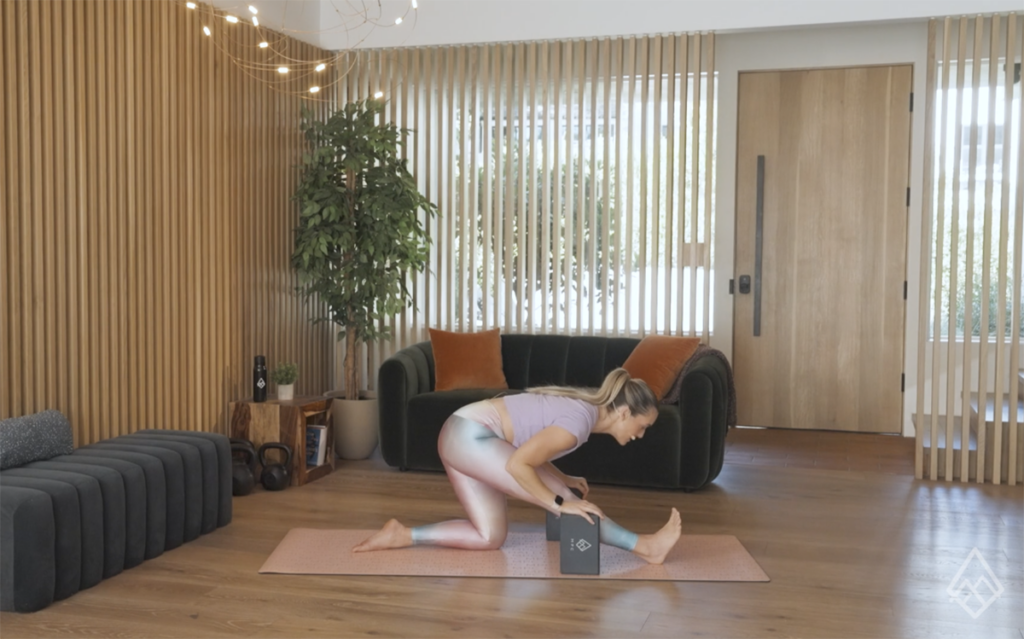
Support your body and mind with this calming yoga practice. Release tension, improve body awareness, and create space for greater calm and clarity with gentle movement and mindful breathing.
Mindfulness: More Than Just Meditation
Forget the lotus position and fancy meditation techniques. Mindfulness is all about being present in the moment, and it’s achievable for everyone, even those who don’t like meditating.
Here’s how to cultivate mindfulness in your daily life:
- Engage Your Senses: Take a moment to truly experience the world around you. Savor the rich flavor of dark chocolate as you eat it slowly. Listen intently to the birds singing outside your window. Admire the vibrant colors of a sunset. Feel the warmth of a hug from someone you love.
- Focus on One Thing at a Time: Set your intention to be fully present in whatever you’re doing, whether it’s working on a report, spending time with family, or enjoying a meal. Avoid distractions like social media or multitasking. Give your full attention to the activity at hand. That’s mindfulness in action.
- Embrace Mindful Eating: Ditch the distractions. How often do we go through the motions of eating dinner while glued to a screen? Mindful eating requires slowing down and appreciating the food. Savor the textures and flavors of each bite. Check in with yourself to see if you’re feeling satisfied. Mindful eating allows you to reconnect with the experience of enjoying a good meal.
By incorporating these simple practices, you can cultivate mindfulness in your daily life and reap the benefits of being present in the moment.
Related: Walking Meditations