

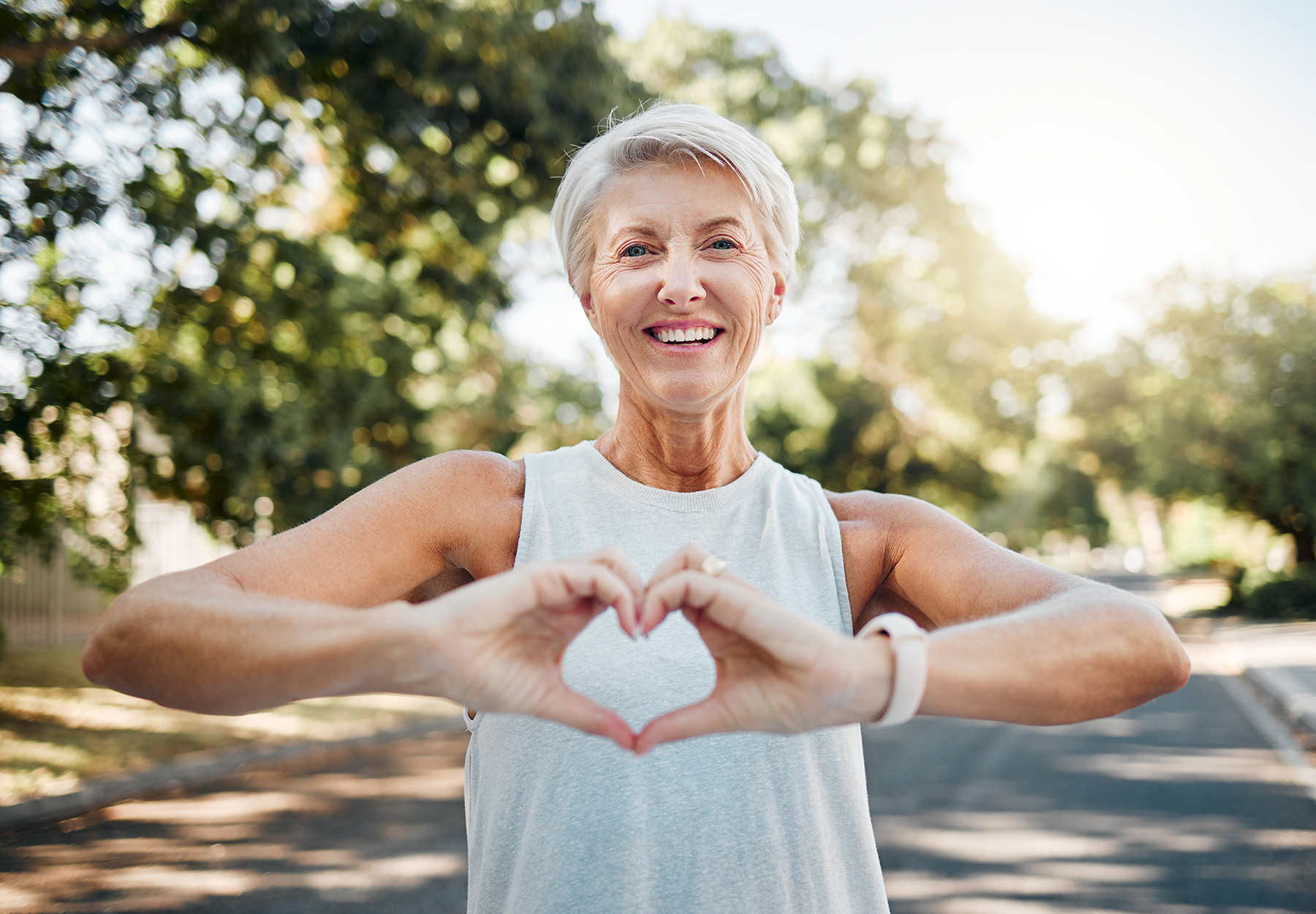
In your 20s and 30s, heart disease might feel like a distant concern, something that only affects older adults. However, it’s never too early to start prioritizing your heart health. In fact, 80% of heart diseases, including stroke, can be prevented through healthy lifestyle choices.
If there’s one thing you can do for your heart health right now, it’s get moving. Exercise is a cornerstone of heart disease prevention, and combining aerobic activities with strength training offers the most significant benefits. Physical activity challenges your heart and lungs, helping them become stronger and more resilient over time.
Regular exercise is also a key component of the American Heart Association’s “Life’s Essential 8,” a list of healthy behaviors that promote optimal cardiovascular health. These include a nutritious diet, healthy blood pressure, cholesterol, and blood sugar levels, maintaining a healthy weight, avoiding tobacco, and getting enough sleep.
By prioritizing physical activity, you’ll likely find it easier to adopt other healthy habits that benefit your heart and overall well-being.
Related: Why You Should Lift Weights If You’re Over 40
How to Exercise Regularly
You don’t need to suddenly become a marathon runner or gym rat if that’s not your style. Simply focus on incorporating more movement into your daily life. Take an extra walk with your dog, meet a friend for a stroll instead of drinks, try a new activity like pickleball, or sign up for a dance class. Adding 20 minutes of extra activity to your day can make a difference.
The key is establishing sustainable habits you can maintain for the long haul. Find activities you genuinely enjoy so exercise feels less like a chore and more like a fun part of your routine.
Per the American Heart Association, gradually work up to at least 150 minutes of moderate-intensity or 75 minutes of vigorous-intensity cardio each week, along with two strength-training sessions. This is the general recommendation for overall health and well-being.
Remember, you can tailor your exercise plan to your needs, abilities, and interests. If you’re unsure where to start, consider consulting a doctor or certified fitness professional for guidance. Also, check out our Move and Flow programs to find workouts that interest you and get moving. Start small, build gradually, and prioritize consistency.
Developing a regular exercise habit in your 20s and 30s can set the stage for a healthier, more active life as you age. Maintaining a lifelong habit is easier when it becomes a natural part of your routine.
If you exercise regularly, keep challenging yourself and increasing your fitness level. Higher levels of physical activity are associated with even greater benefits.
However, if you use tobacco, quitting should be your top priority, regardless of your age or fitness goals. Smoking is a major risk factor for heart disease and other health problems. Even if you’re not ready to make significant lifestyle changes, it’s important to be aware of your family’s heart health history. Talk to your relatives about heart-related conditions, especially among your close family members. This can help you identify potential risks and take preventative measures.
Related: Do You Know Your Heart Rate?