

By Maureen Farrar, Editorial Director
High blood pressure is more common than you might think — nearly half of U.S. adults, and about a third of adults in the UK have it, and many don’t even know1,2. It’s the number-one preventable risk factor for cardiovascular disease, which includes heart attack, stroke, and heart failure. It also raises the risk for kidney disease and can affect brain health, contributing to memory problems, cognitive decline, and even dementia3.
The American Heart Association (AHA) and American College of Cardiology (ACC) recently updated their joint guideline for preventing, detecting, and managing high blood pressure. This is the first significant update since 2017, and it emphasizes something we know well in the MPC community: small, consistent lifestyle habits make a big difference over the long haul.
A Shift Toward Earlier Action
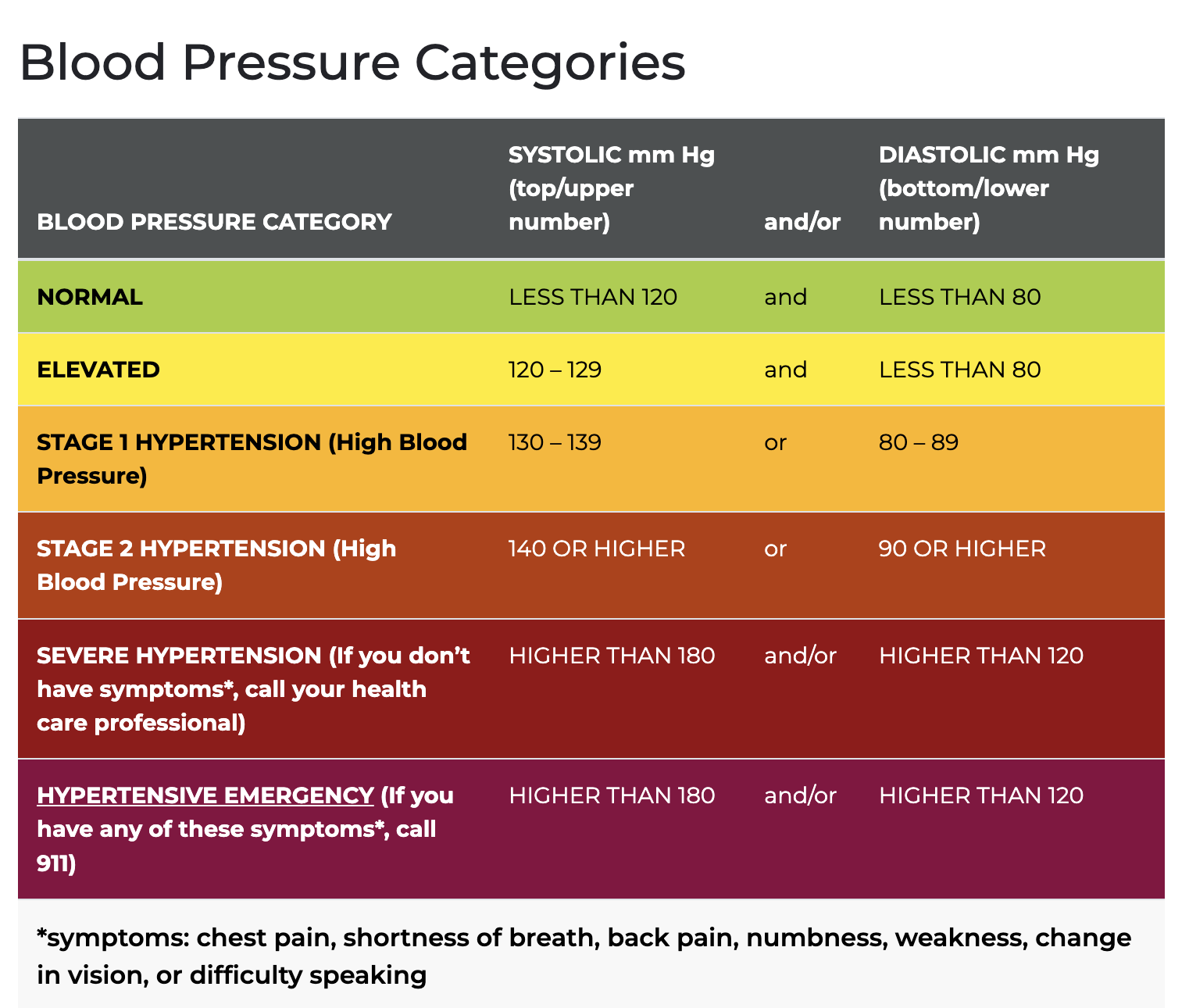
The new guideline encourages health care providers to treat high blood pressure earlier, rather than waiting until it becomes severe. That means combining healthy lifestyle changes with medication when needed — even in the earlier stages — to help reduce long-term risks for both heart and brain health.
It also introduces a new tool called the PREVENT™ risk calculator, which estimates a person’s 10- and 30-year risk of cardiovascular disease. It’s designed to help clinicians tailor treatment plans to the individual, taking into account not just blood pressure, but other health measures like cholesterol, kidney function, and even zip code (as a marker for social factors that affect health).
Lifestyle First — Always
The updated recommendations reaffirm what the science has been telling us for years: the foundation of healthy blood pressure is built on everyday choices. That includes:
- Eating a heart-healthy diet — like the DASH plan, which focuses on fruits, vegetables, whole grains, lean proteins, and healthy fats while keeping sodium in check.
- Limiting salt intake to less than 2,300 mg per day, ideally under 1,500 mg. (Most of our salt comes from packaged and restaurant foods, not the salt shaker.)
- Moving more — aiming for at least 75–150 minutes a week of cardio, strength training, or both.
- Maintaining a healthy weight, or aiming for at least a 5% weight loss if overweight.
- Managing stress through exercise, meditation, breathing techniques, or yoga.
- Limiting alcohol to no more than one drink per day for women and two for men.
These habits aren’t just “nice to have” — for many people, they can prevent, delay, or even reduce high blood pressure without medication.
Pregnancy and Beyond
One major focus of the new guideline is managing blood pressure before, during, and after pregnancy. High blood pressure during pregnancy can lead to serious complications like preeclampsia, and it increases the risk for future heart problems. The recommendations now call for closer monitoring, earlier treatment in some cases, and the possible use of low-dose aspirin to reduce preeclampsia risk. Postpartum care is also critical, as high blood pressure can start or persist after delivery.
Medications When Needed
For some people — especially those with diabetes, obesity, or kidney disease — lifestyle changes alone aren’t enough. The new guidance outlines preferred medication types and stresses that for stage 2 hypertension (blood pressure of 140/90 mm Hg or higher), starting with two medications at once, ideally in a single pill, may be the most effective approach. There’s also acknowledgment that newer therapies, like certain GLP-1 medications, may help people with both high blood pressure and excess weight.
Why This Matters for Peakers
Training, nutrition, and lifestyle are the backbone of what we do in My Peak Challenge — and they’re exactly what this new guideline calls for. Consistent exercise, balanced nutrition, stress management, and regular self-checks (like home blood pressure monitoring) are powerful tools for prevention. The earlier you start and the more consistent you are, the greater the payoff for your heart, brain, and overall longevity. Every workout, every healthy meal, every mindful pause is another step toward protecting your health for years to come.
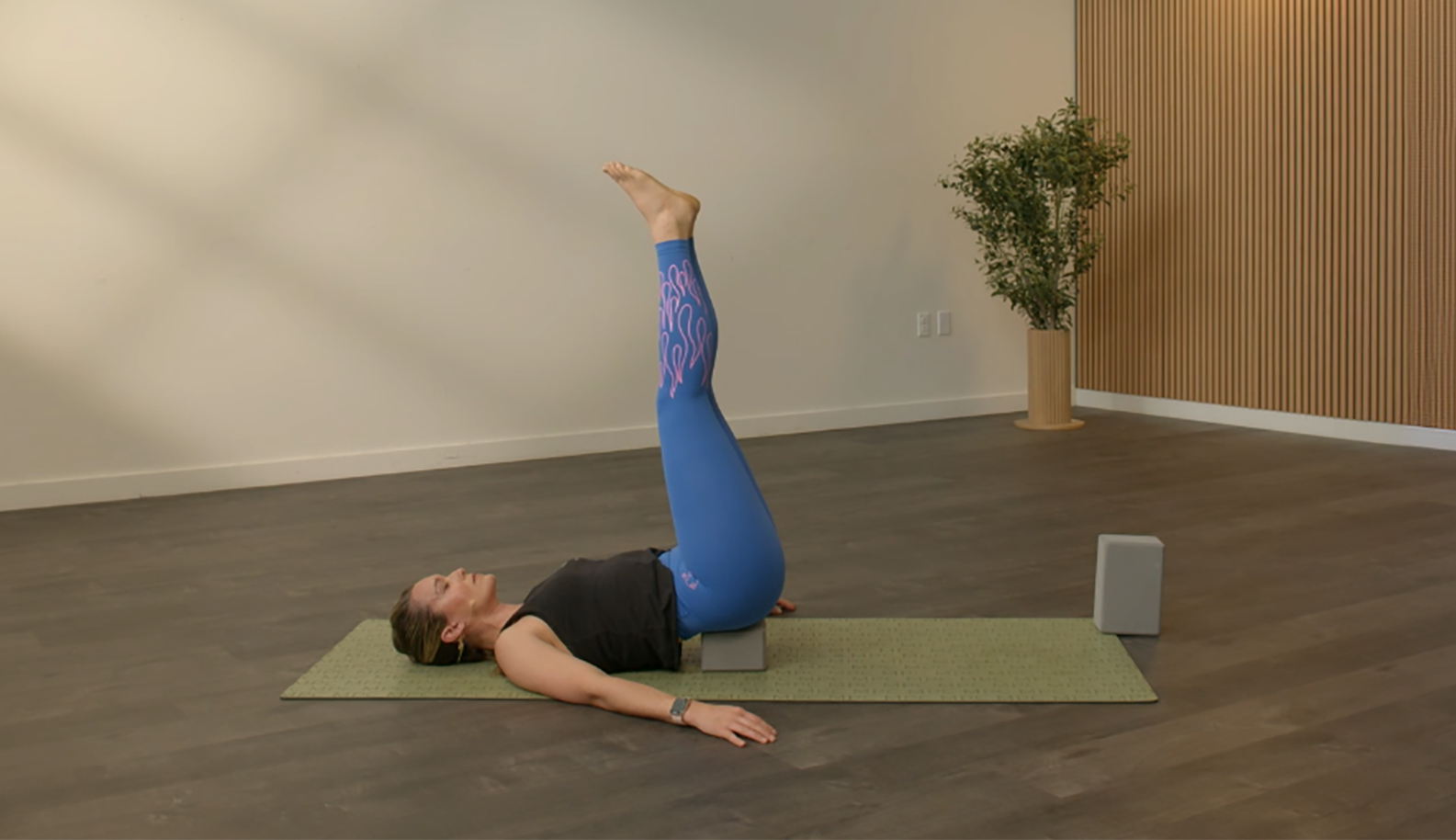
Regular yoga may help lower blood pressure. A review of data found that participants saw the biggest benefits when their practice included breathing techniques and meditation. Roll out your mat and join us for a restorative class that supports both body and heart health.
A Quick Reminder
Your health journey is personal, and what works for one person may not be right for another. If you have concerns about your blood pressure, or if you’re making changes to your diet, exercise, or medication, check in with your physician or other qualified health care provider. They can help you set safe, realistic goals and tailor a plan that fits your needs.
Remember: the information in this article is for educational purposes and is not a substitute for professional medical advice, diagnosis, or treatment. Always seek the guidance of a qualified health care professional with any questions you may have about your health.
Resources
- New high blood pressure guideline emphasizes prevention, early treatment to reduce CVD risk. American Heart Association. 2025. Available from: https://newsroom.heart.org/news/new-high-blood-pressure-guideline-emphasizes-prevention-early-treatment-to-reduce-cvd-risk
- Blood Pressure UK. Blood Pressure UK. www.bloodpressureuk.org. 2021. Available from: https://www.bloodpressureuk.org/news/media-centre/blood-pressure-facts-and-figures/
- Mayo Clinic. High Blood Pressure (Hypertension). Mayo Clinic. 2024. Available from: https://www.mayoclinic.org/diseases-conditions/high-blood-pressure/symptoms-causes/syc-20373410