
Pilates has been around for more than a century, but it’s having a moment right now for a reason. More people are discovering that exercise doesn’t have to leave you exhausted, sore, or beaten down to be effective. Sometimes, the workouts that make the biggest difference are the ones that help you move better, feel stronger and reconnect with your body in a sustainable way.
That’s part of what makes Pilates so powerful.
At its core, Pilates is a low-impact form of movement that focuses on strength, stability, mobility, posture, and control. It combines intentional movement with breathing and concentration to challenge both the body and the mind simultaneously. While it may look slower than traditional strength training or cardio, don’t mistake that for “easy.” Pilates builds deep strength, coordination, and awareness in a way that carries over into everyday life.
Research continues to show that Pilates may support everything from balance and mobility to mood, sleep, and stress management, making it a valuable addition to almost any wellness routine.
Here are some of the biggest benefits of Pilates and why it deserves a place in your weekly movement routine.
It Builds Functional Core Strength
Pilates is well known for strengthening the core, but not just in the “six-pack abs” sense. It targets the deeper muscles that support your spine, hips, and pelvis — the muscles that help you stand taller, stabilize your body, and move with more control.
A stronger core can improve balance, support better movement patterns, and help reduce strain on the lower back during everyday activities.
Related: How to Get the Most Out of Pilates
It Improves Posture
Many of us spend hours sitting, driving, or looking down at screens, which can lead to tight hips, rounded shoulders, and neck and back tension.
Pilates helps strengthen the muscles that support proper alignment while improving mobility in areas that tend to become stiff or restricted. Over time, that combination can help you move and stand with better posture and less discomfort.
It Supports Mobility and Flexibility
Mobility and flexibility aren’t the same thing — and Pilates works on both.
Rather than simply stretching muscles, Pilates focuses on controlled movement through a full range of motion. That means you’re building strength and stability while also improving flexibility, which can help you move more freely and confidently.
This becomes especially important as we age, since maintaining mobility is key to staying active and independent.
It May Help Reduce Back Pain
Research suggests Pilates can be especially beneficial for people dealing with lower back pain.
By strengthening the muscles that support the spine and improving overall movement patterns, Pilates may help reduce tension and improve stability through the trunk and pelvis. Many people find that consistent practice helps them feel stronger, more supported, and more comfortable in daily life.
It Improves Balance and Stability
Balance is something we often take for granted until it starts to decline.
Pilates challenges coordination, stability, and body control through slow, intentional movement patterns. Research suggests this type of training may help improve balance and reduce fall risk, particularly in older adults.
But balance matters for everyone, whether you’re carrying groceries, hiking a trail, or simply trying to move through life with more confidence.
It Encourages Better Body Awareness
One of the unique things about Pilates is the way it asks you to pay attention to how your body moves and feels.
That increased body awareness can help you notice tension, improve movement habits, and recognize when your body needs rest or recovery. It can also help improve coordination and make everyday movement feel more natural and efficient.
It Can Help Manage Stress
Pilates is often described as a mind-body practice because it combines movement with breath control and concentration.
Research suggests this combination may help regulate the nervous system and reduce stress levels over time. Many people find Pilates grounding because it encourages them to slow down, focus inward, and step away from the constant “go, go, go” pace of everyday life.
Sometimes movement isn’t just about fitness. Sometimes it’s about feeling calmer, clearer, and more connected to yourself.
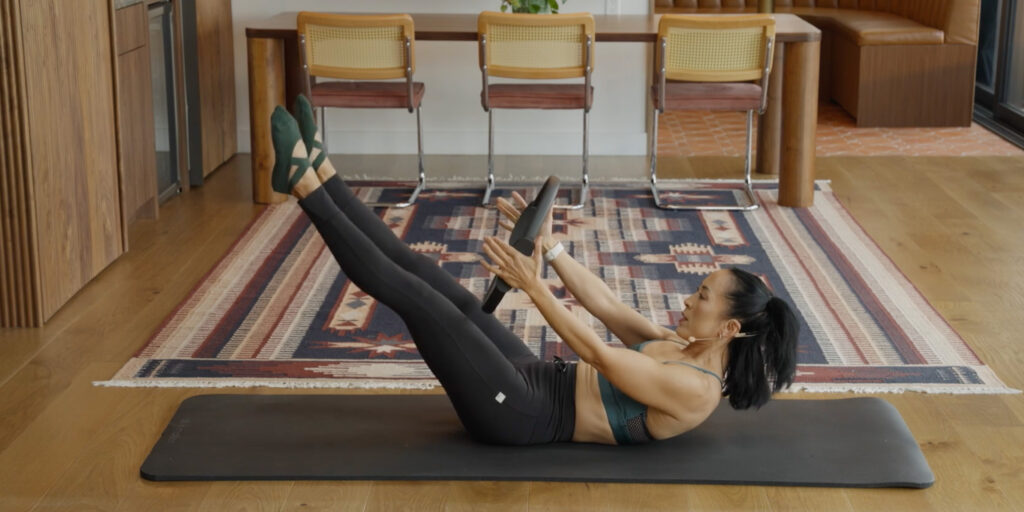
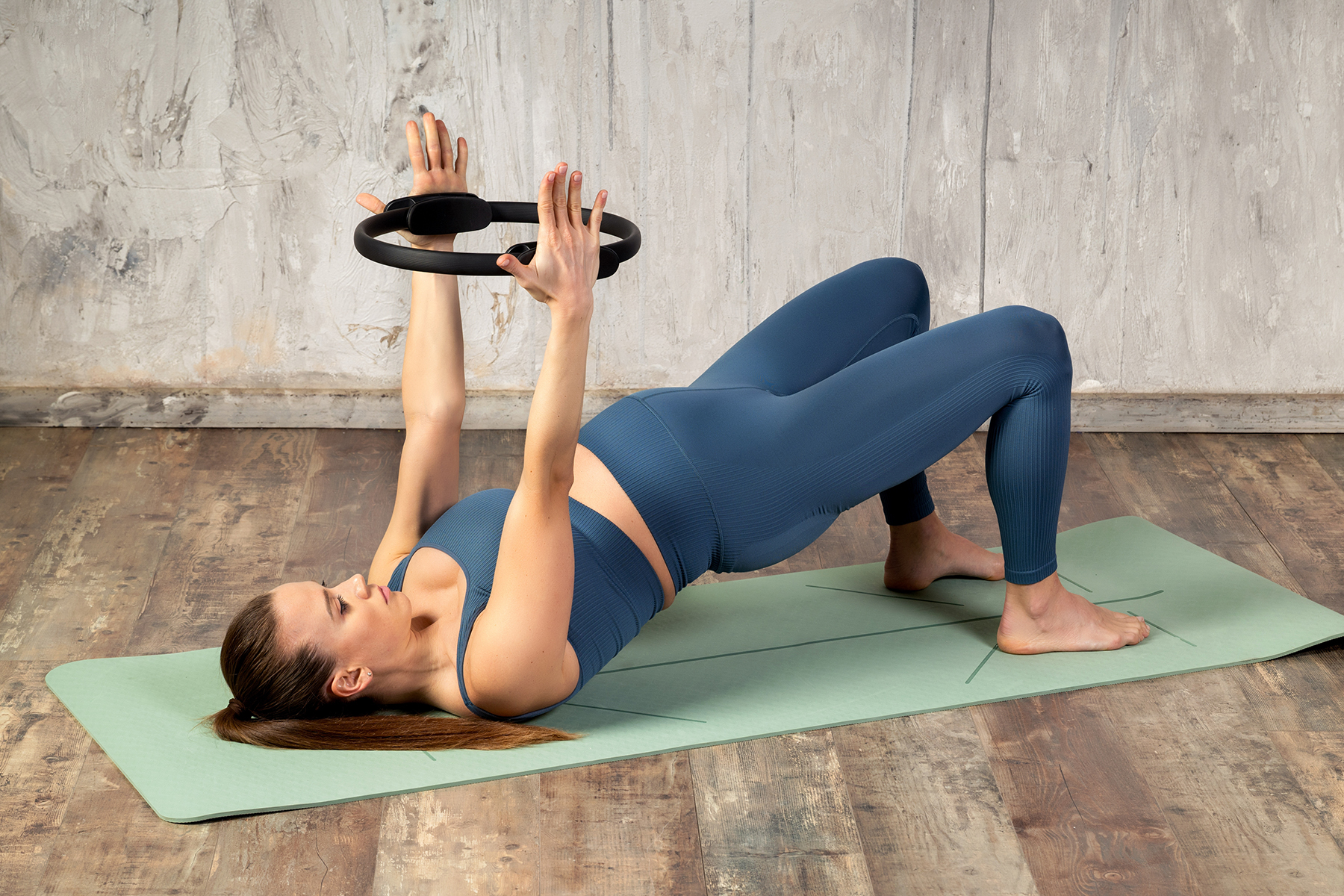
Ready to build a stronger, more stable foundation? Pilates With Props is designed to help you activate your deep core muscles, improve alignment, and move with greater control—all using just a Pilates ball and circle.
It May Boost Mood and Energy
Like many forms of exercise, Pilates may help support mood by releasing endorphins and improving circulation.
But because Pilates is lower-impact and less physically draining than some workouts, many people finish a session feeling energized rather than depleted. Research has also linked Pilates to reductions in fatigue, anxiety, and depressive symptoms.
It Supports Healthy Aging
Strength, mobility, balance, and coordination all become increasingly important as we get older, and Pilates trains them all.
Some research also suggests Pilates may support bone health, cognitive function, and immune system health, particularly in older adults. While more research is still needed in some areas, the overall picture is promising: regular movement that challenges both the body and brain can play a meaningful role in healthy aging.
It Can Complement Other Workouts
Pilates doesn’t have to replace your current routine. In fact, it often works best alongside other forms of movement.
Whether you strength train, walk, run, cycle, or practice yoga, Pilates can help improve stability, mobility, and movement quality. Many athletes also use Pilates to improve performance, strengthen stabilizing muscles, and help reduce injury risk.
It Makes Movement Feel Enjoyable Again
One of the most underrated benefits of Pilates is that it can actually be fun. There’s a playful element to many Pilates movements that encourages curiosity, coordination, and learning new ways to move. And when you enjoy your workouts, you’re far more likely to stay consistent with them.
That consistency is what matters most.
You don’t need every workout to leave you exhausted. Sometimes the most powerful thing you can do for your body is move with intention, build strength gradually, and find forms of exercise that support you for the long haul.